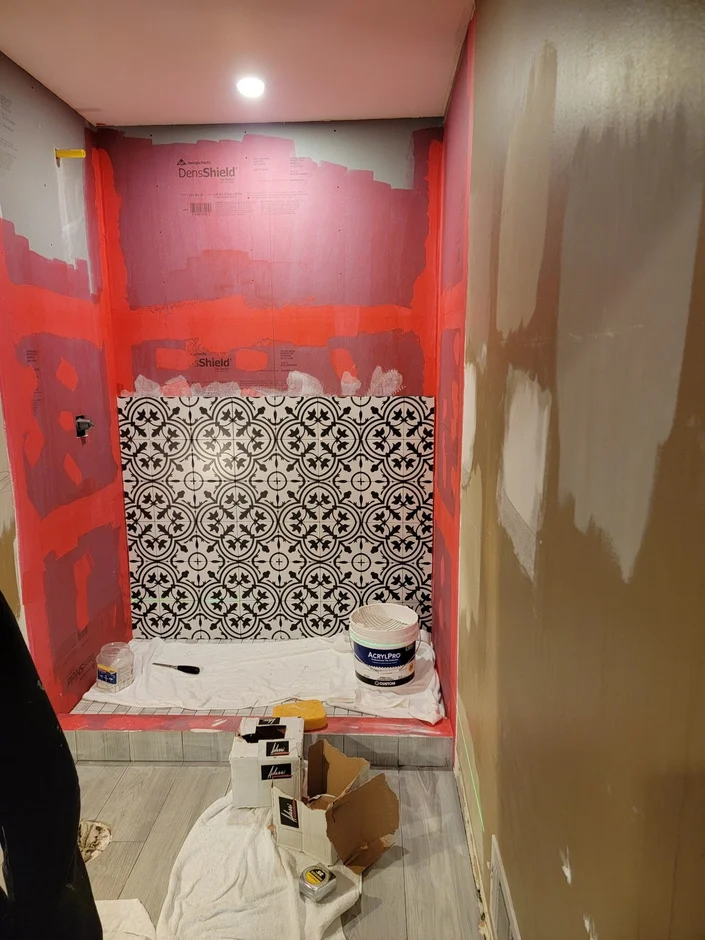
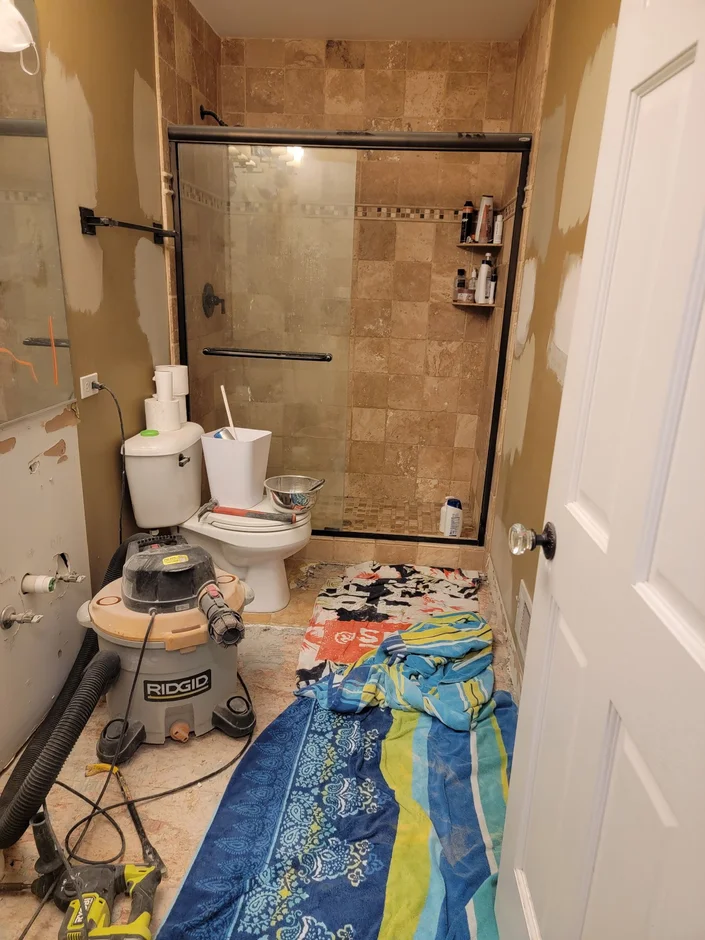
Why Homeowners in Burnaby Consider Renovations
Most renovation decisions start with daily life: rooms that no longer function well, finishes that are worn out, or a layout that feels tight as routines change. A thoughtful update can improve how your home supports your family, whether that means better storage, a more usable kitchen, a comfortable bathroom, or a basement that finally feels like part of the home instead of an afterthought.
Canadian homes also face practical demands that influence renovation choices. Four-season comfort often means paying attention to insulation quality, air sealing, and reliable heating and cooling performance. Even when the visible goal is a modern look, many homeowners choose to address ventilation, moisture management, and durability at the same time because those upgrades protect the investment and reduce maintenance headaches later.
Another common motivation is making space work harder. Families may want flexible rooms that can shift between homework, hobbies, guest use, and quiet time. Remote or hybrid work can turn a spare room, dining area, or basement corner into a home office, which raises questions about lighting, sound control, and electrical planning. Renovations can also support aging in place by improving access, lighting, and bathroom safety without making the home feel clinical.
Finally, many homeowners look for a clear path through a process that can feel complex. When people search for home renovation in Burnaby, they are often looking for a contractor who can explain options, outline trade coordination, and keep decisions organized from the first scope discussion through to the final walk-through. The most successful projects typically begin with clarity: what needs to change, what must stay, and what trade-offs make sense for your home and budget.
How a Renovation Project Is Planned in a Canadian Home
A well-run renovation starts with defining scope in plain language. That means identifying the rooms involved, what is being replaced versus reworked, and whether walls, plumbing, electrical, or ventilation will be affected. Cosmetic refreshes move differently than projects that change layouts or relocate fixtures, so early clarity helps prevent surprises once demolition begins.
Budgeting works best when it separates priorities from preferences. Homeowners often have must-haves such as improved storage, safer wiring, or better bathroom waterproofing, and nice-to-haves such as premium fixtures or specialty finishes. A practical plan also includes a contingency for hidden issues that can appear once surfaces are opened, especially in older assemblies or areas with long-term moisture exposure.
Timelines are shaped by three realities: trade availability, material lead times, and the sequence of work. Demolition, framing, mechanical rough-ins, inspections where applicable, drywall, finishing, and fixtures must happen in a logical order. Good scheduling reduces downtime and limits the period where parts of the home are unusable, which matters when the household plans to live through the work.
Material selection in Canada isn’t only about style. Durable surfaces, moisture-resistant assemblies, and products suited to changing indoor humidity can make day-to-day upkeep easier. Planning also includes practical details such as where deliveries will be staged, how waste will be removed, how floors will be protected, and what temporary solutions are needed for cooking, bathing, or laundry during construction.
Functional layout decisions tie everything together. A kitchen can look beautiful and still feel frustrating if clearances are tight or storage is poorly planned. Bathrooms need smart ventilation, reliable waterproofing, and layouts that allow comfortable movement. Basements require careful thought about moisture control, insulation approach, and how lighting will compensate for lower natural light. When these decisions are made early, the build phase becomes more predictable.
Renovation Services We Provide
Our residential renovation work focuses on practical improvements that homeowners can feel every day, with careful planning that supports durability and clean finishes. Whether your project is a focused update or a multi-room transformation, we organize the work to reduce disruption and keep decisions clear.
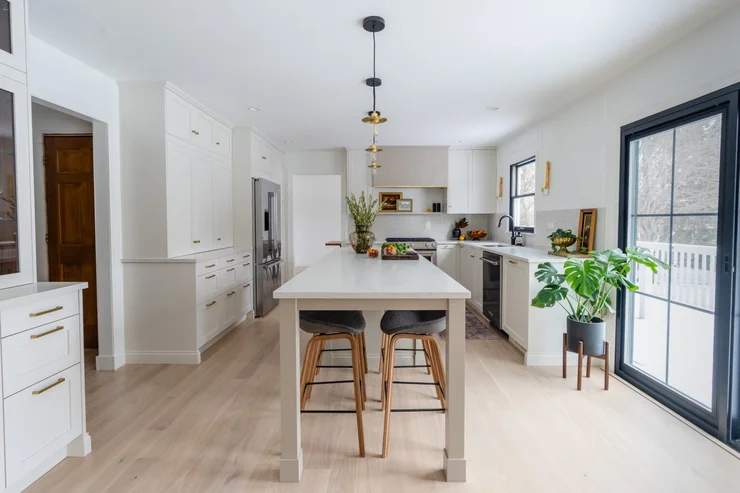
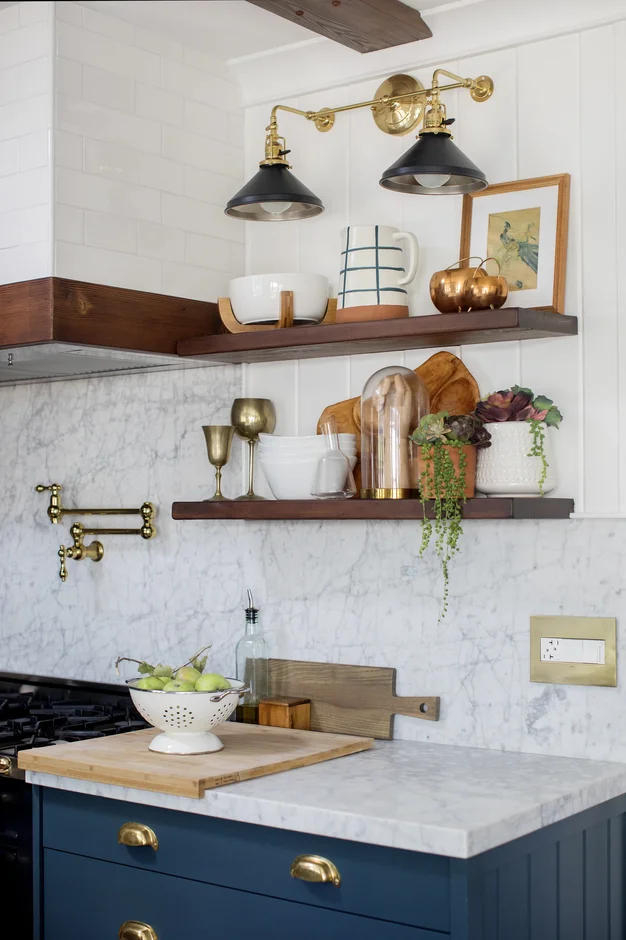
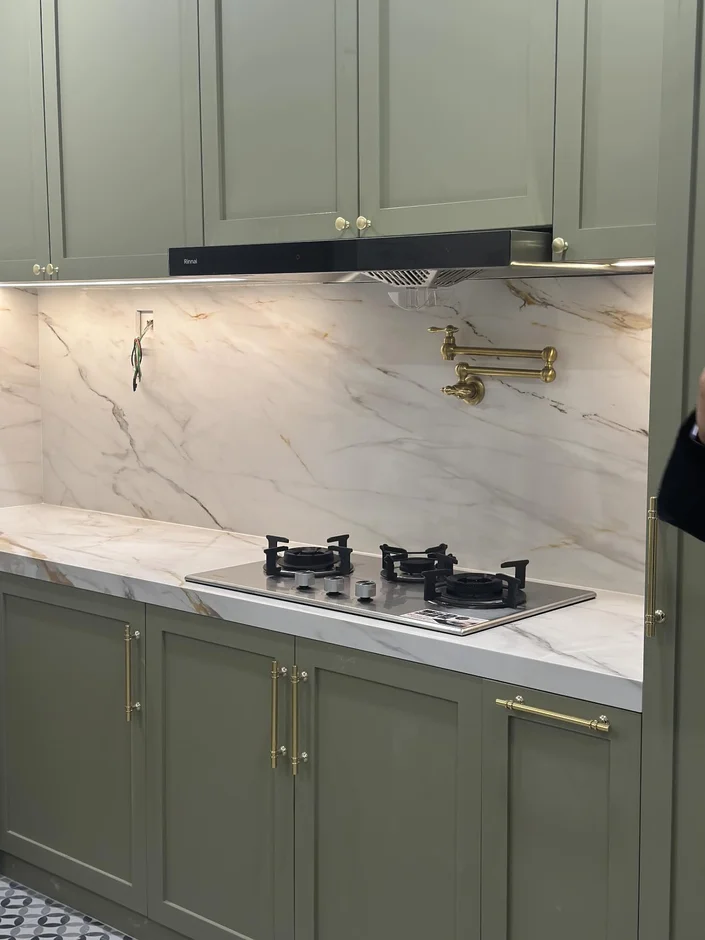
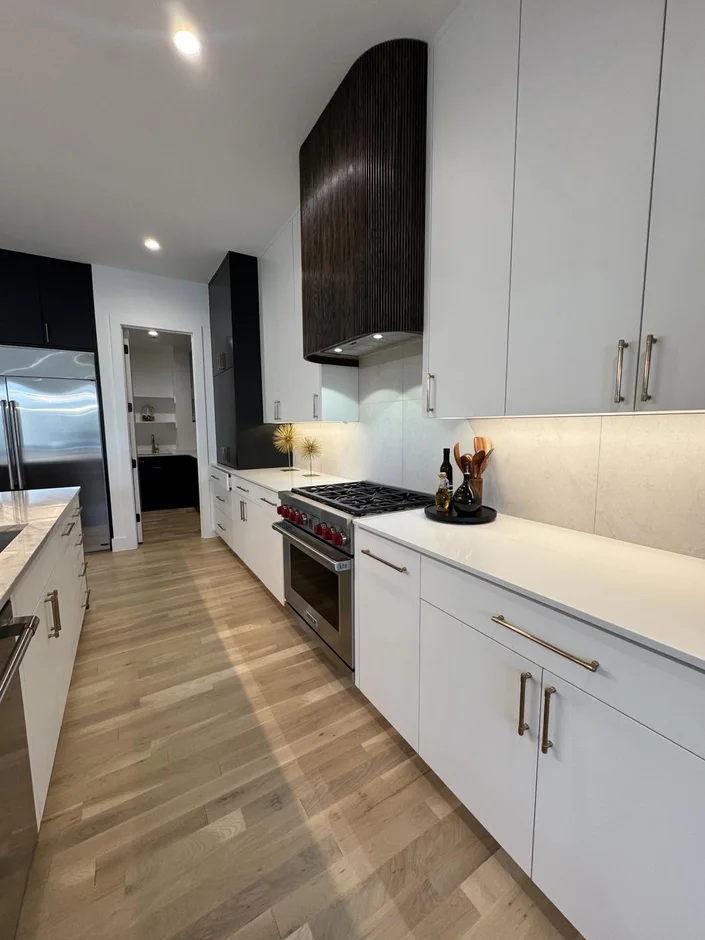
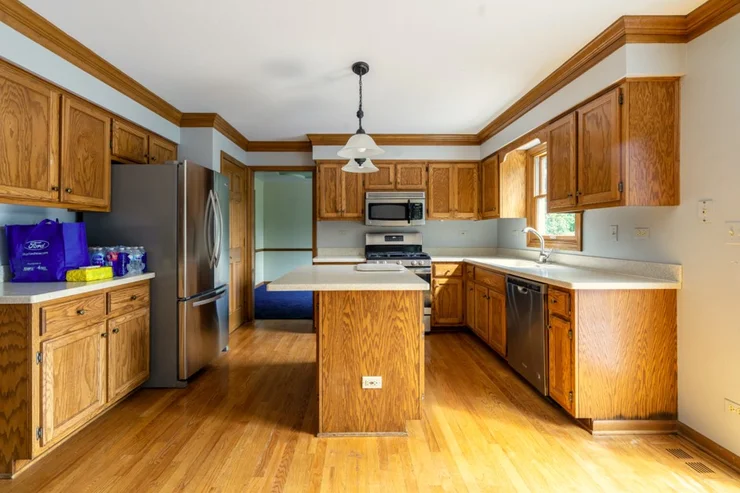
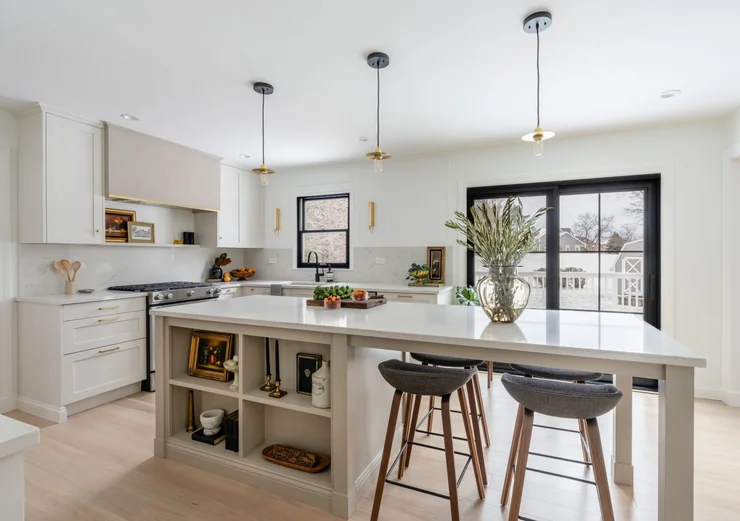
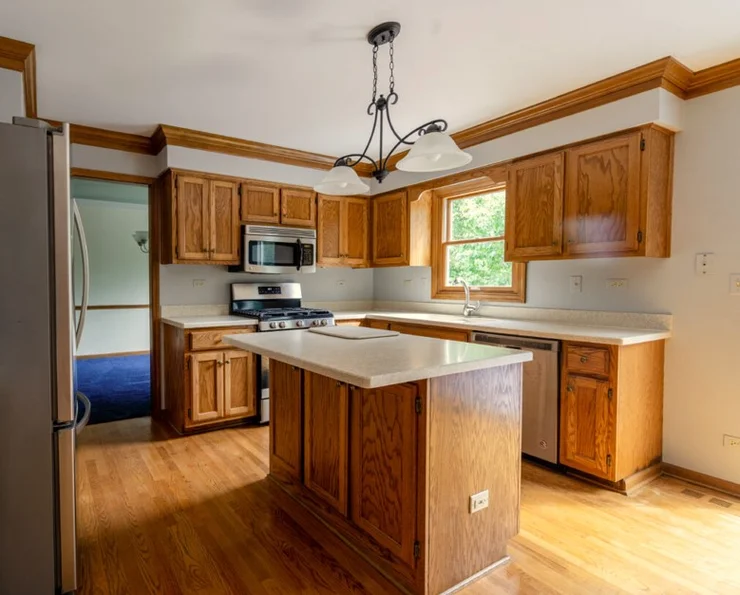
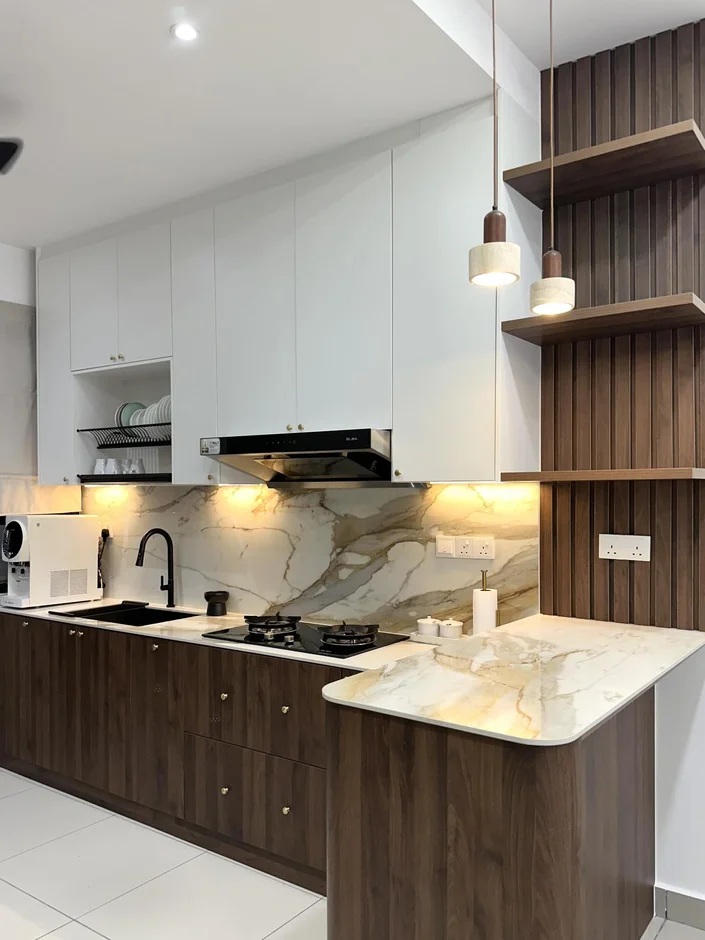
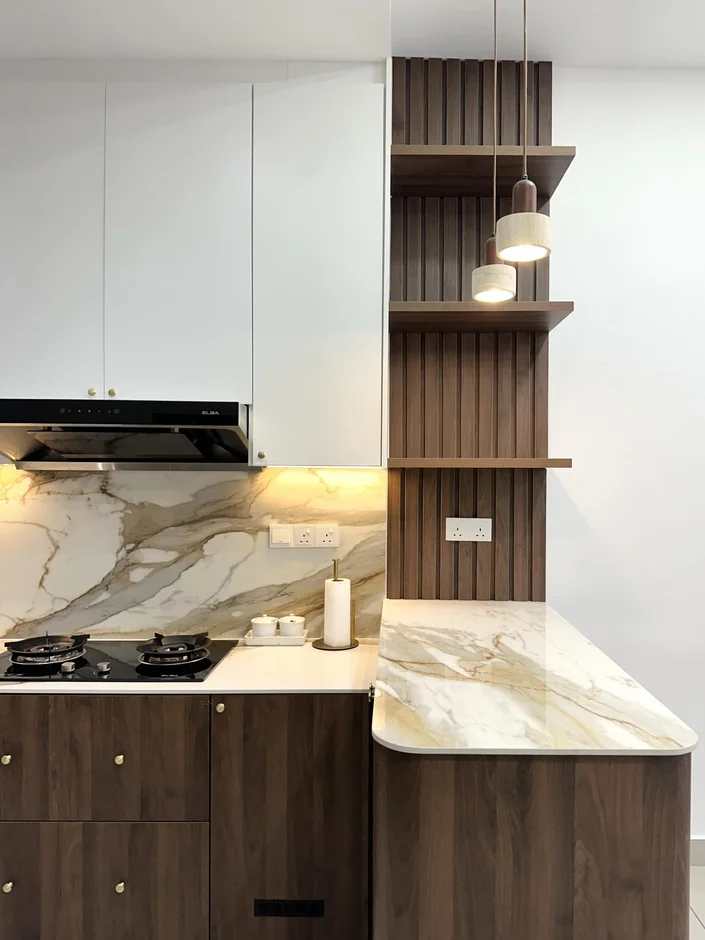
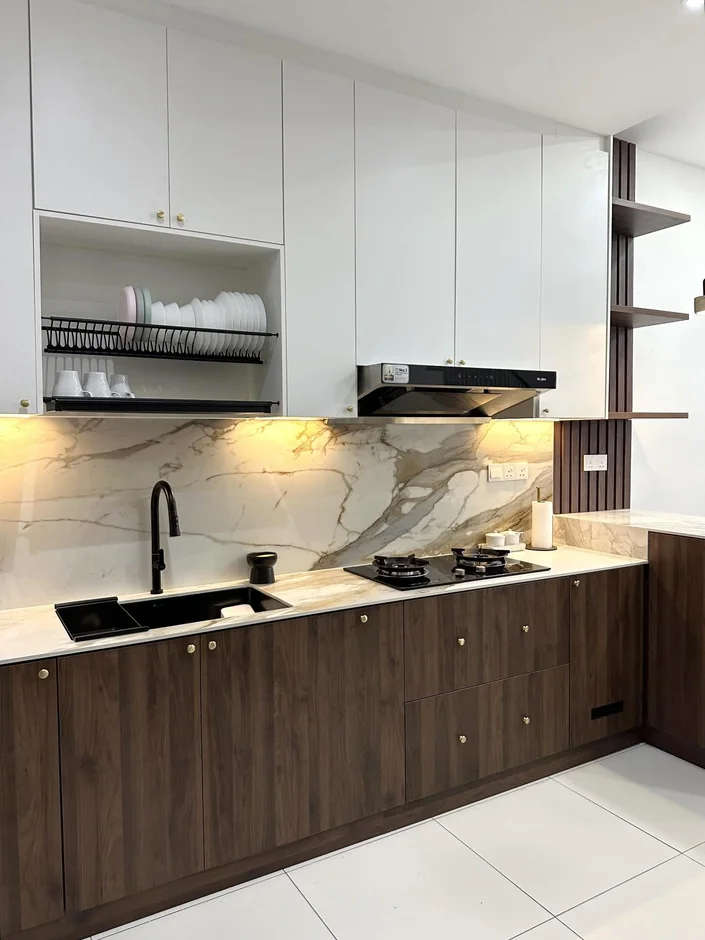
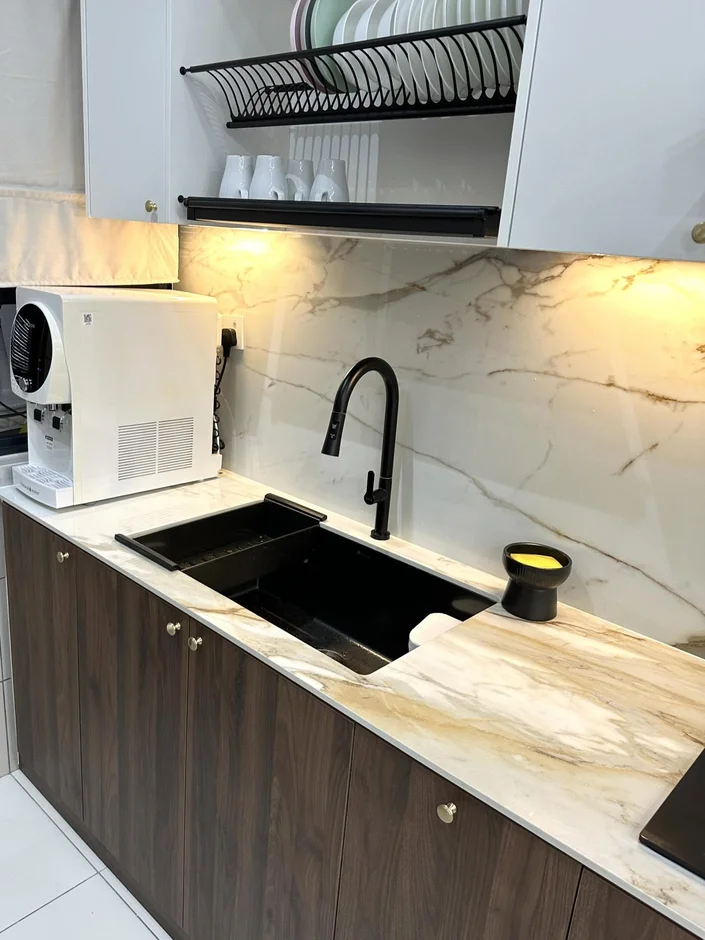
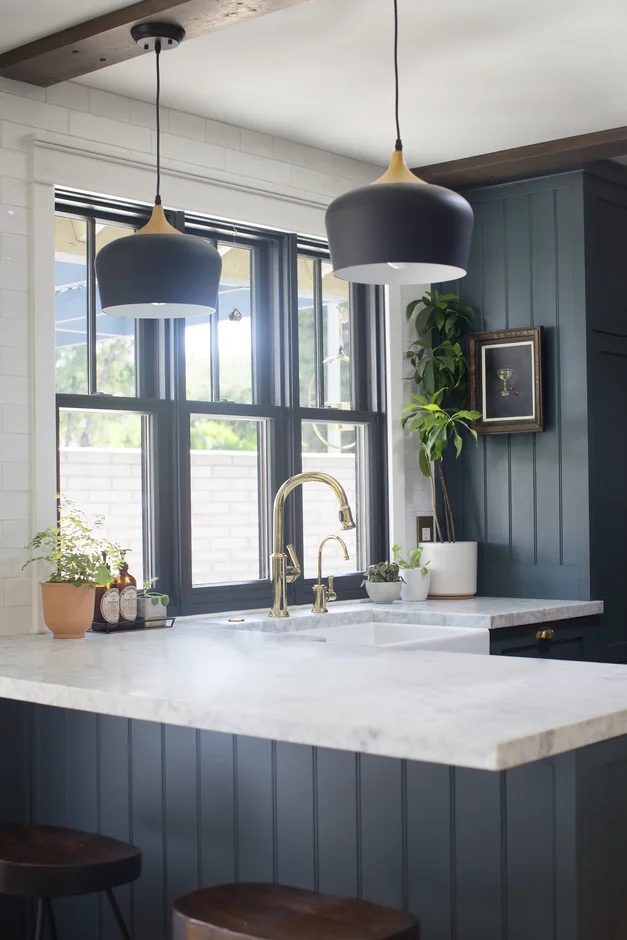
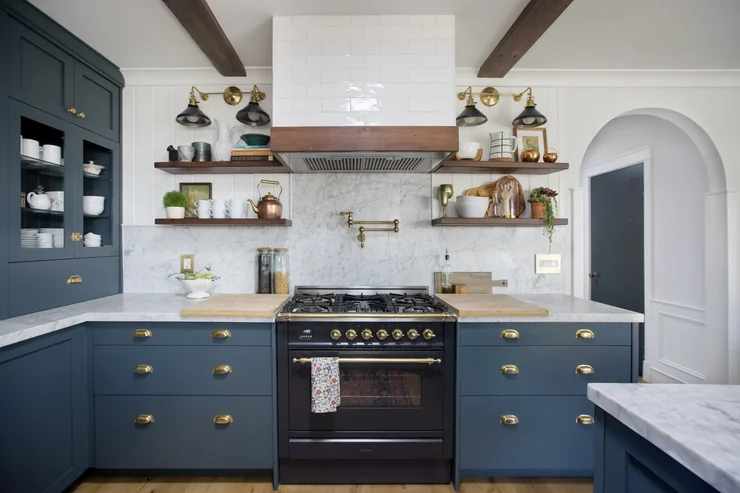
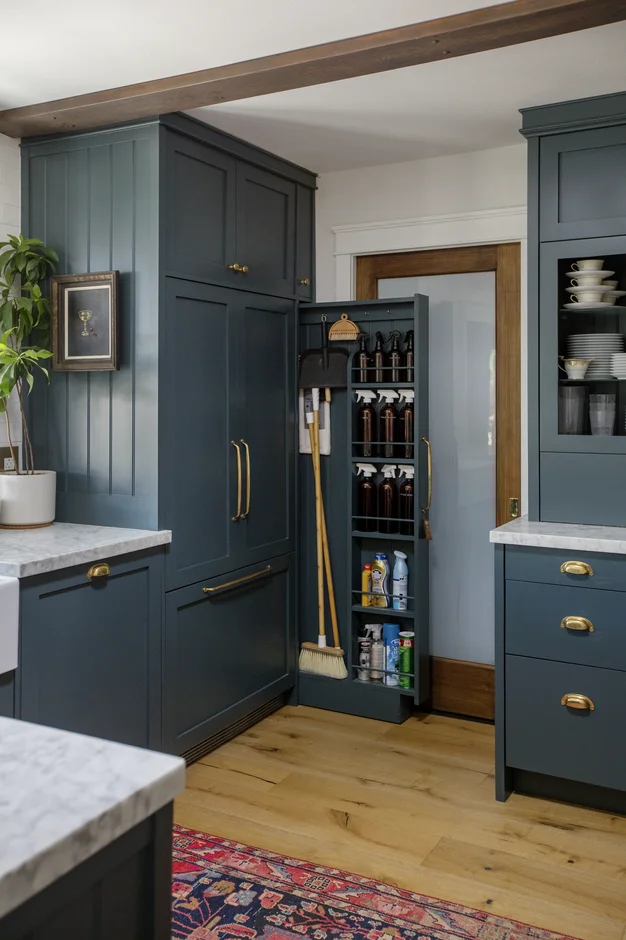
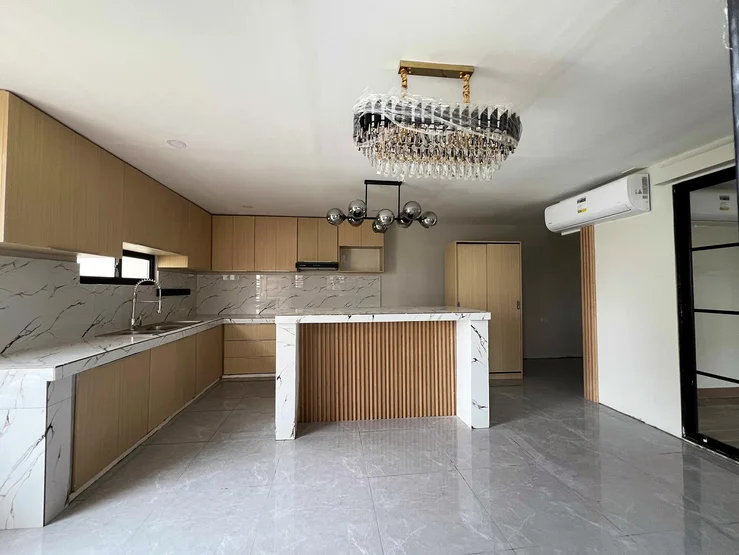
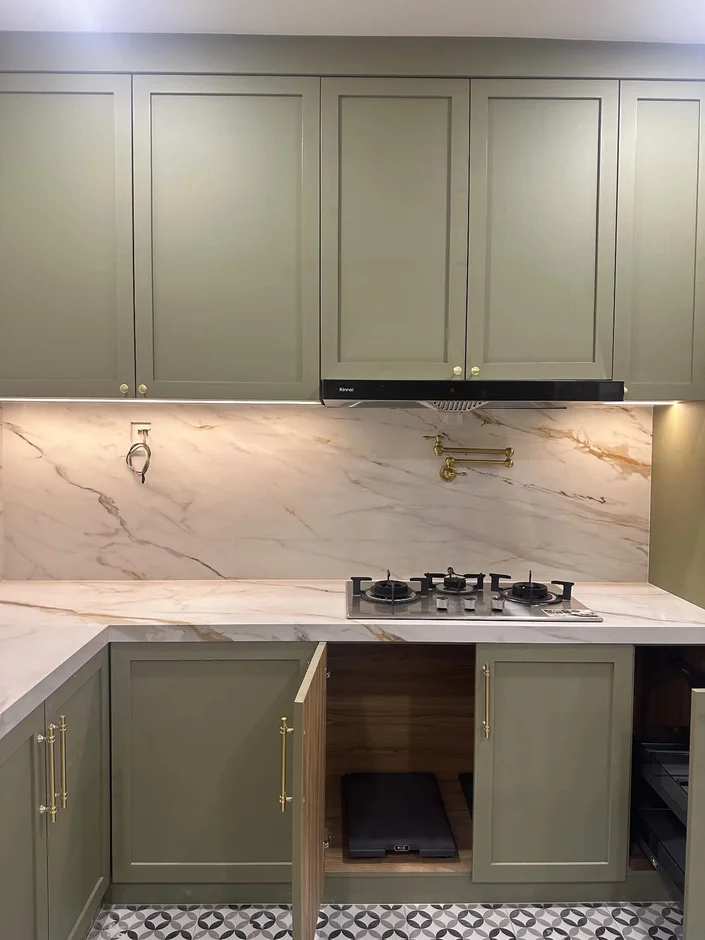
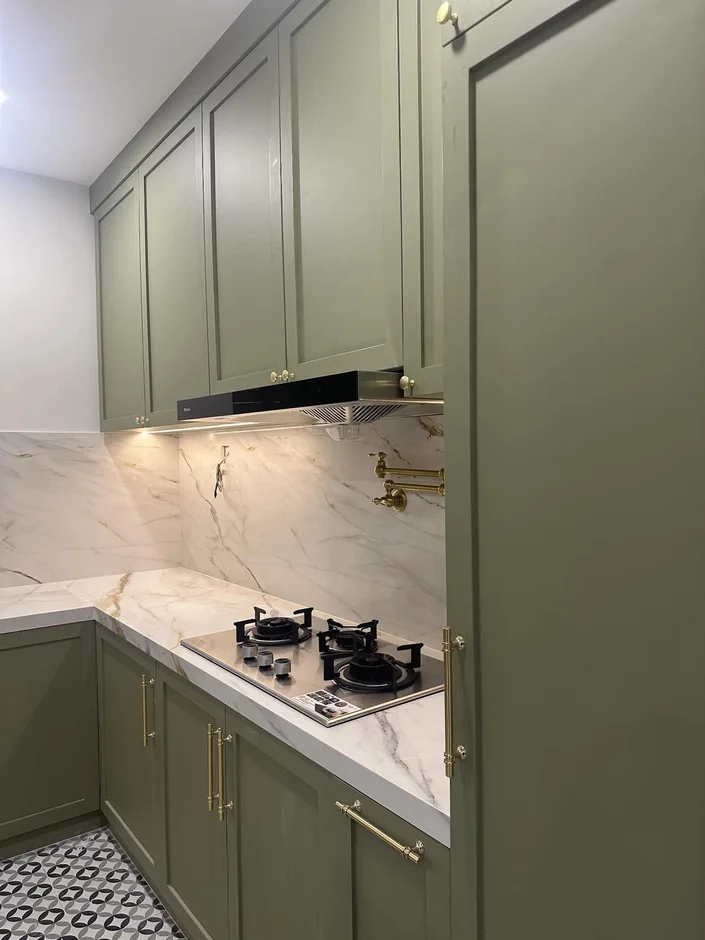
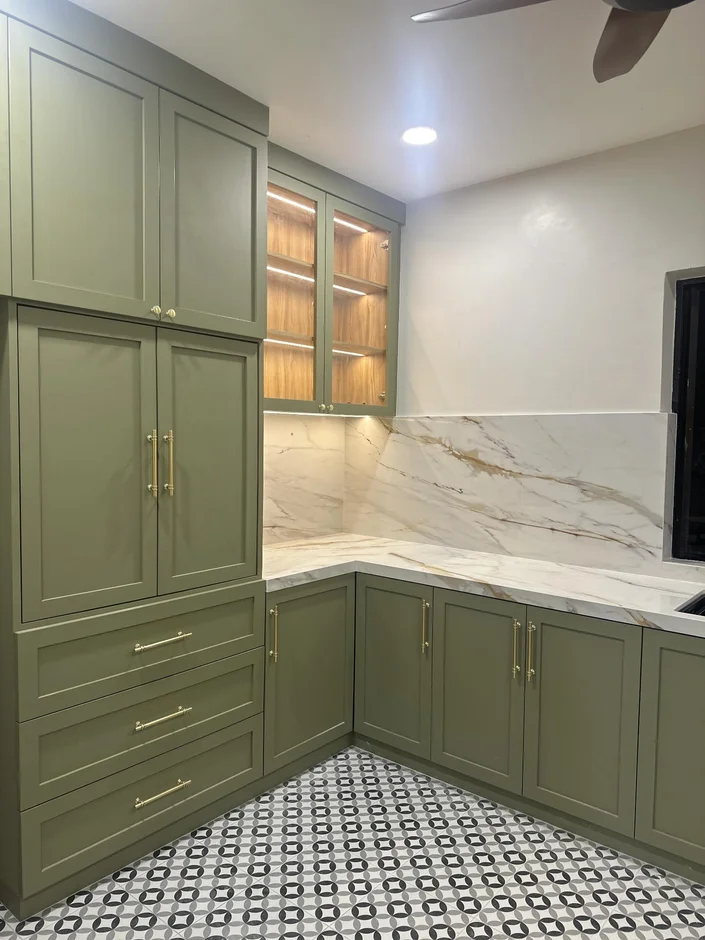
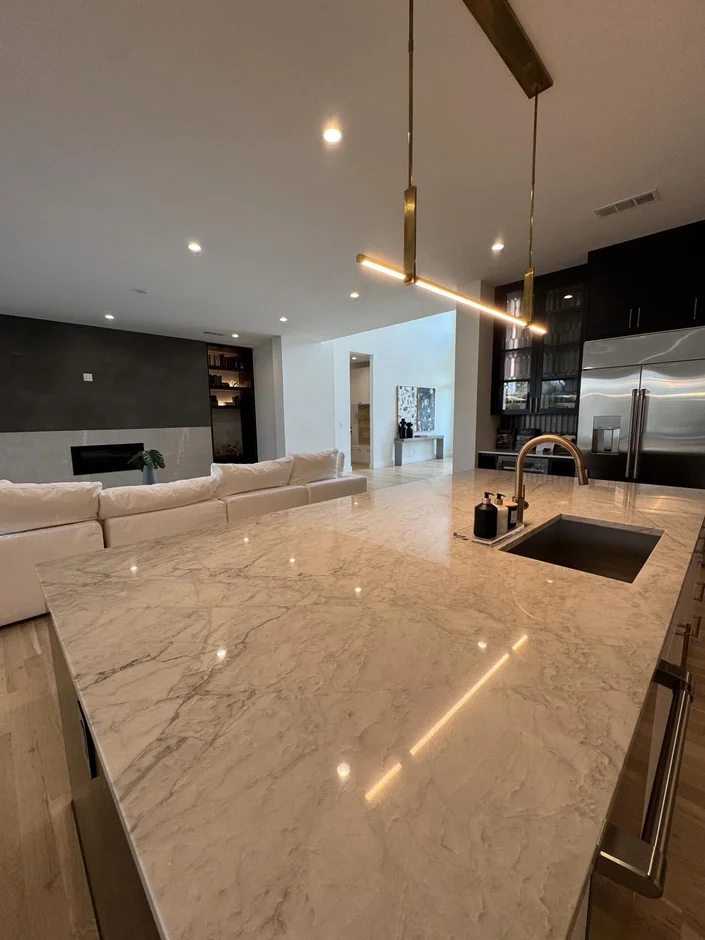
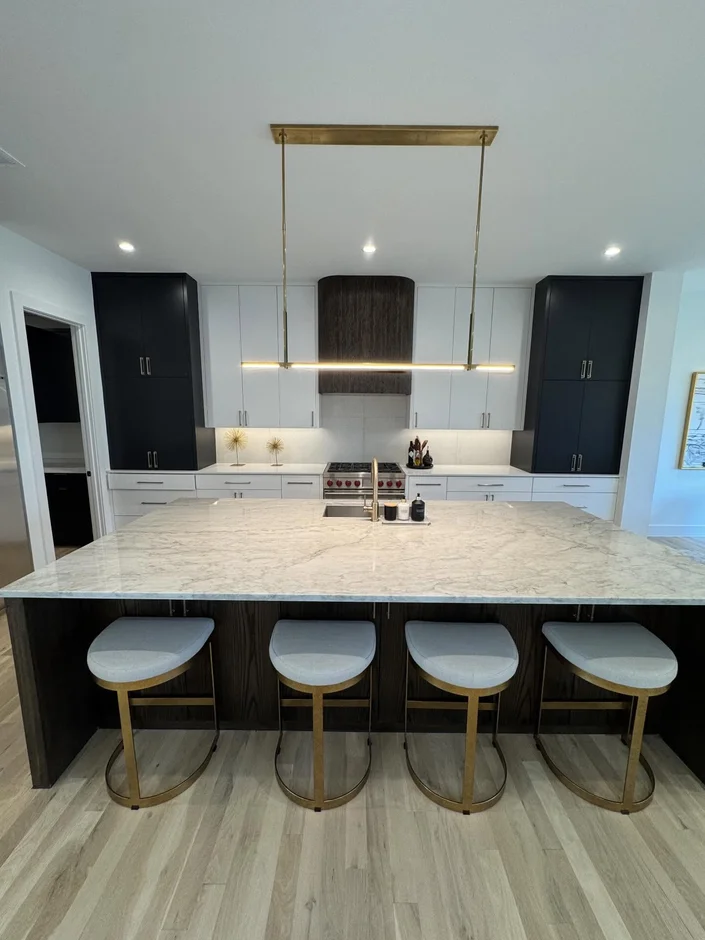
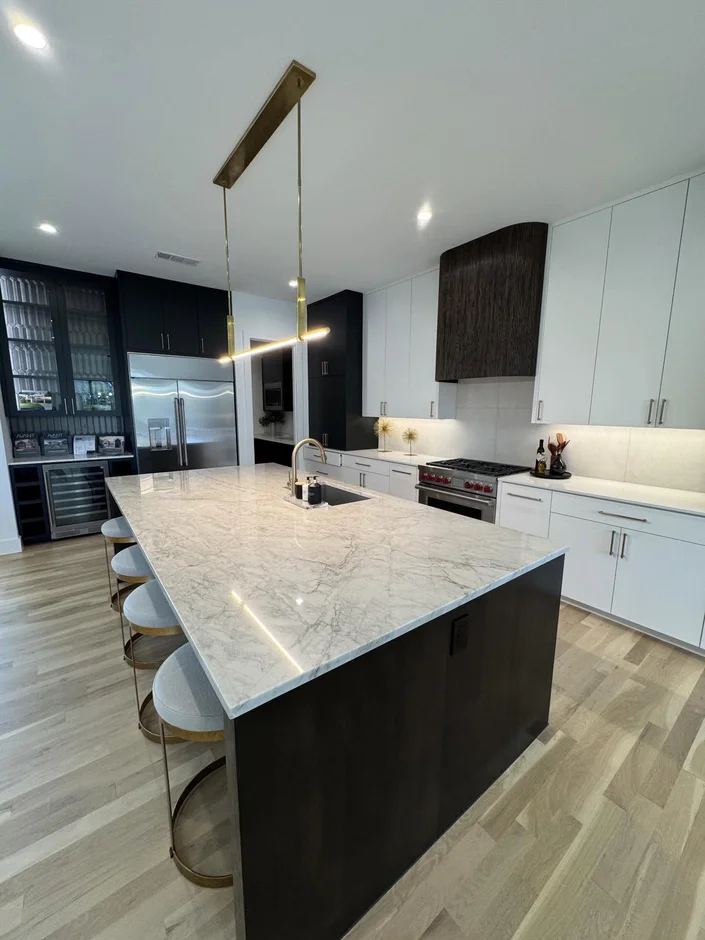
- Kitchen design updates, cabinetry changes, and improved workflow planning, including kitchen renovations
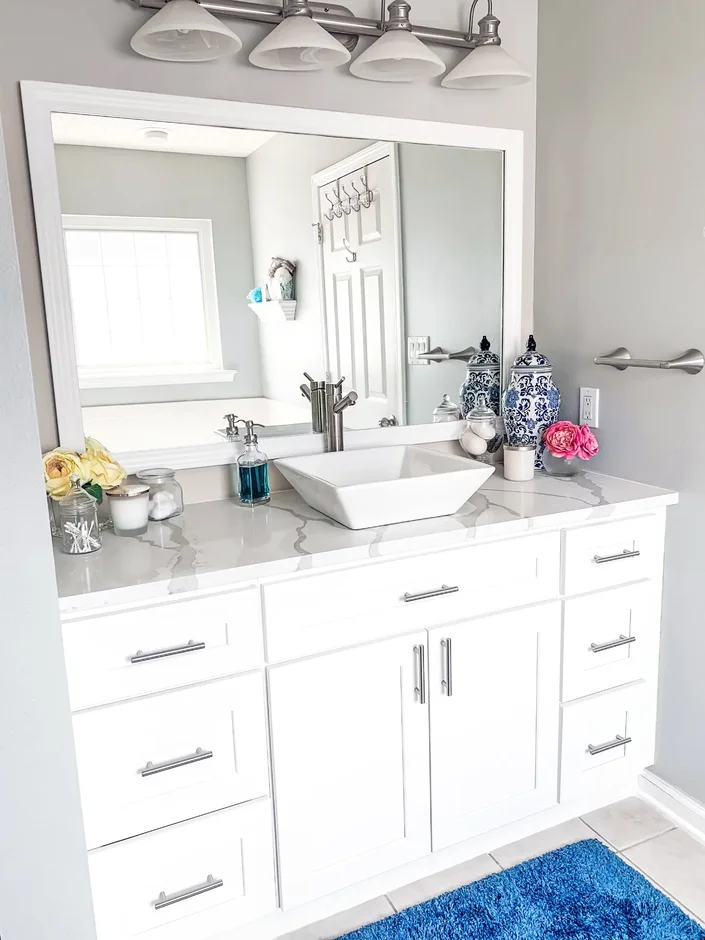
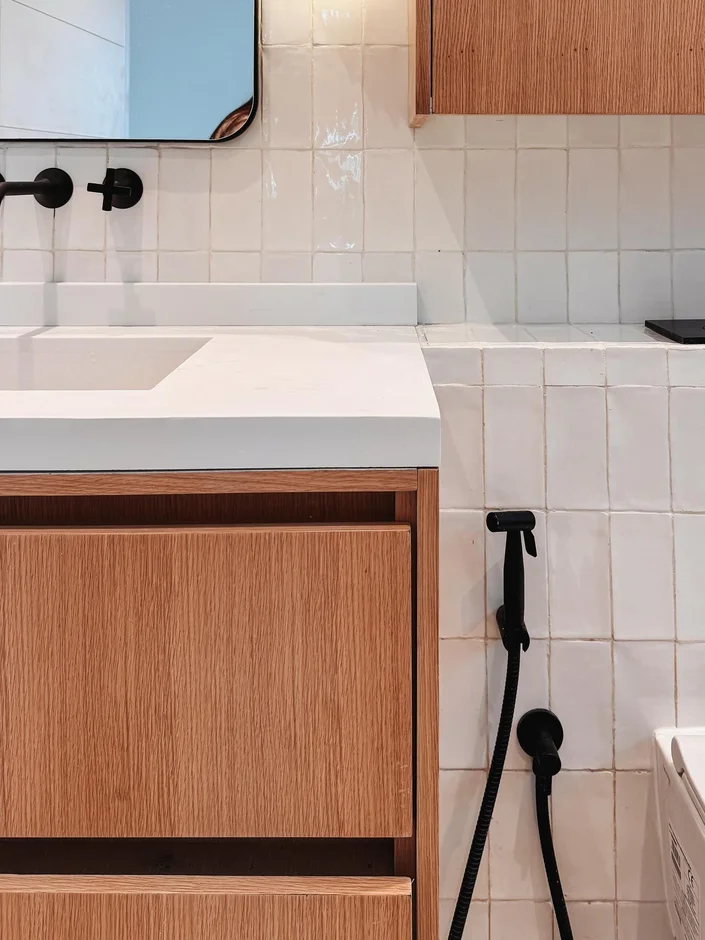
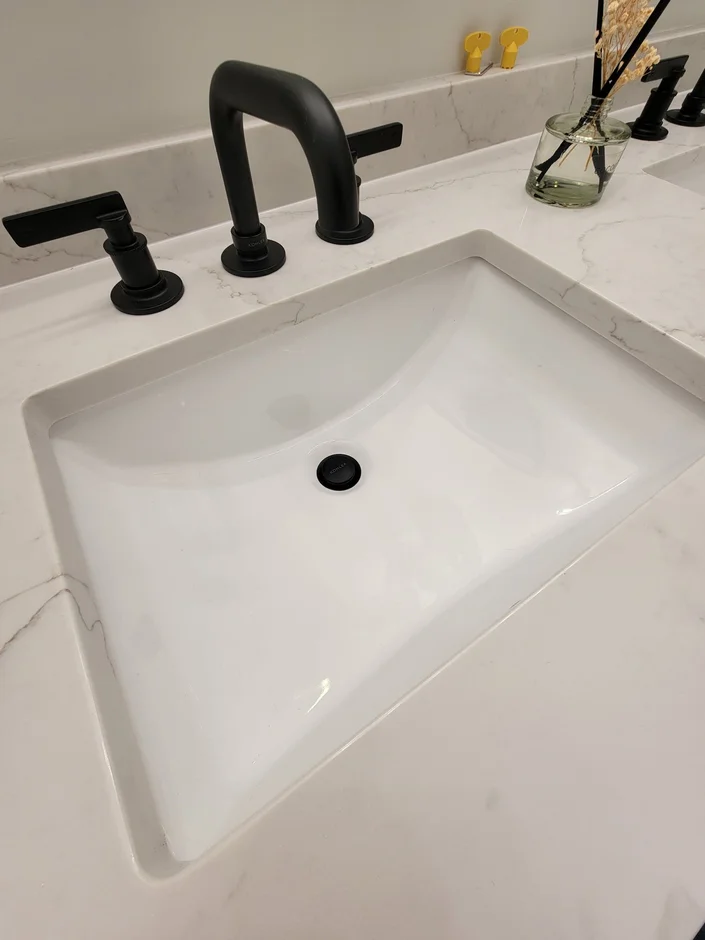
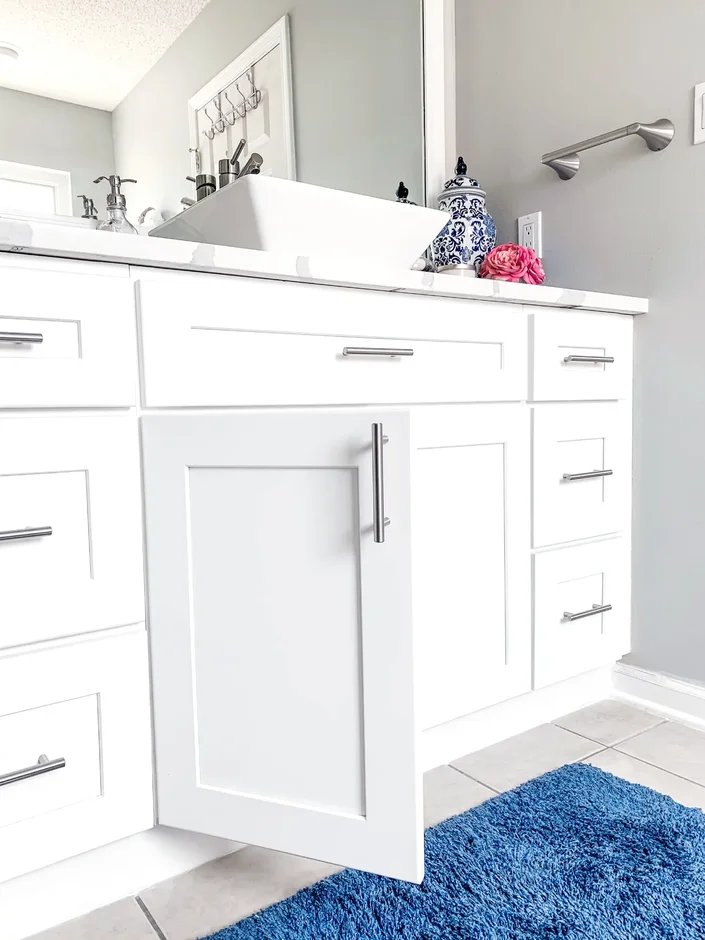
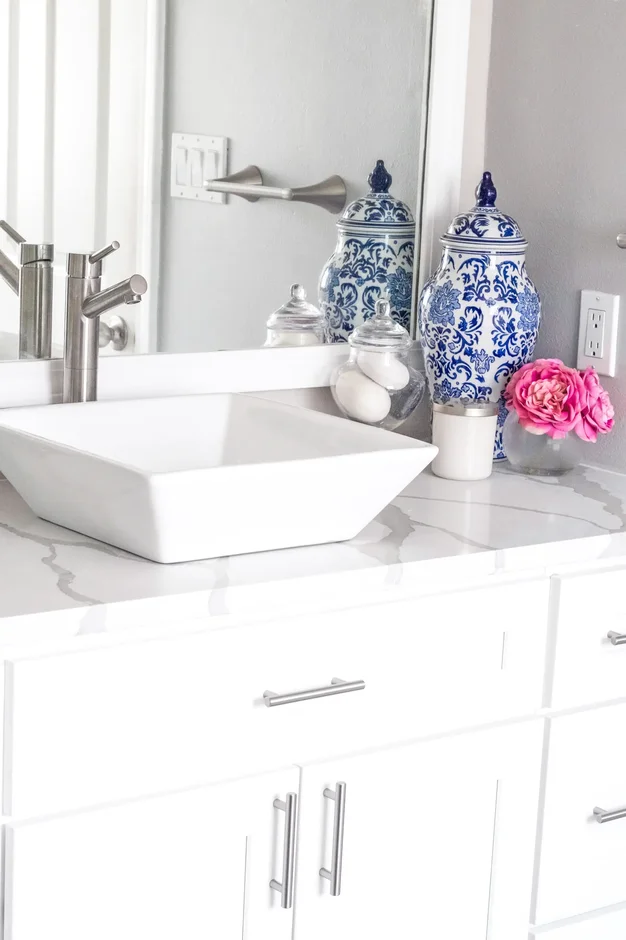
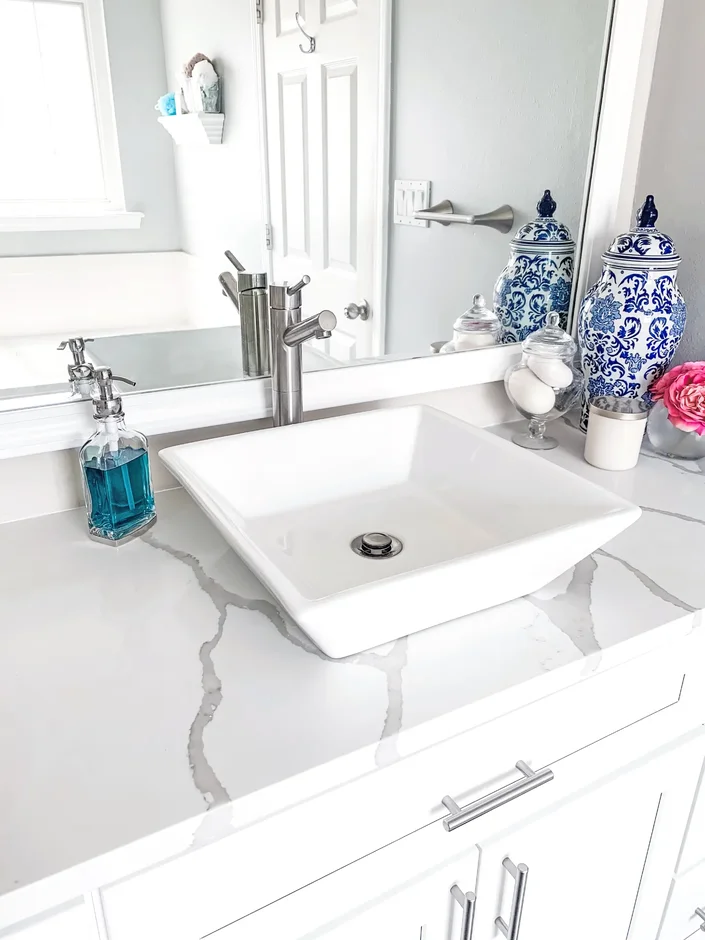
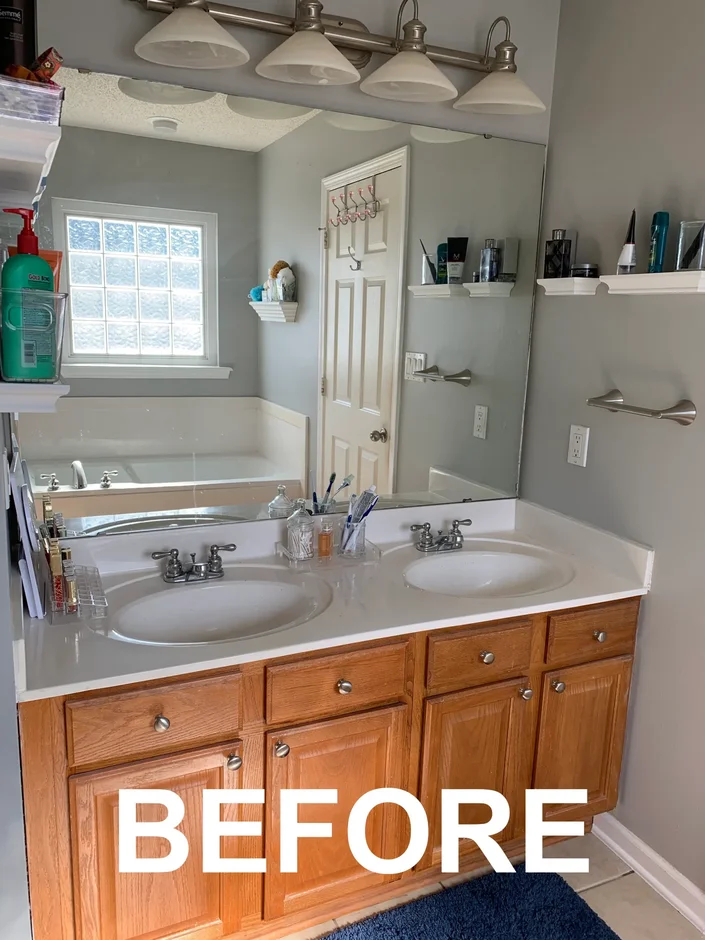
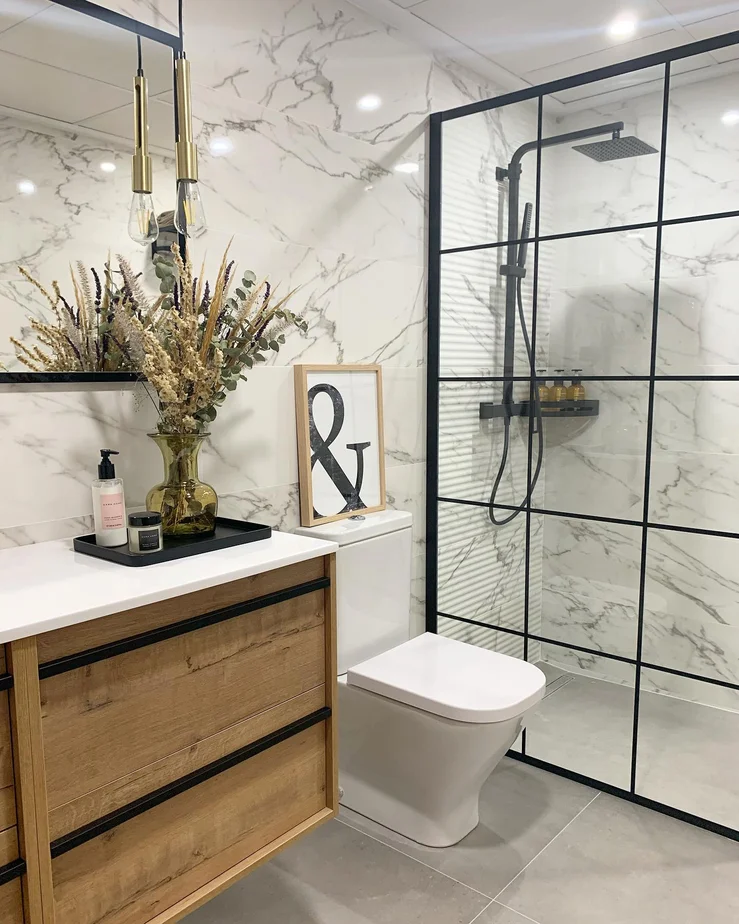
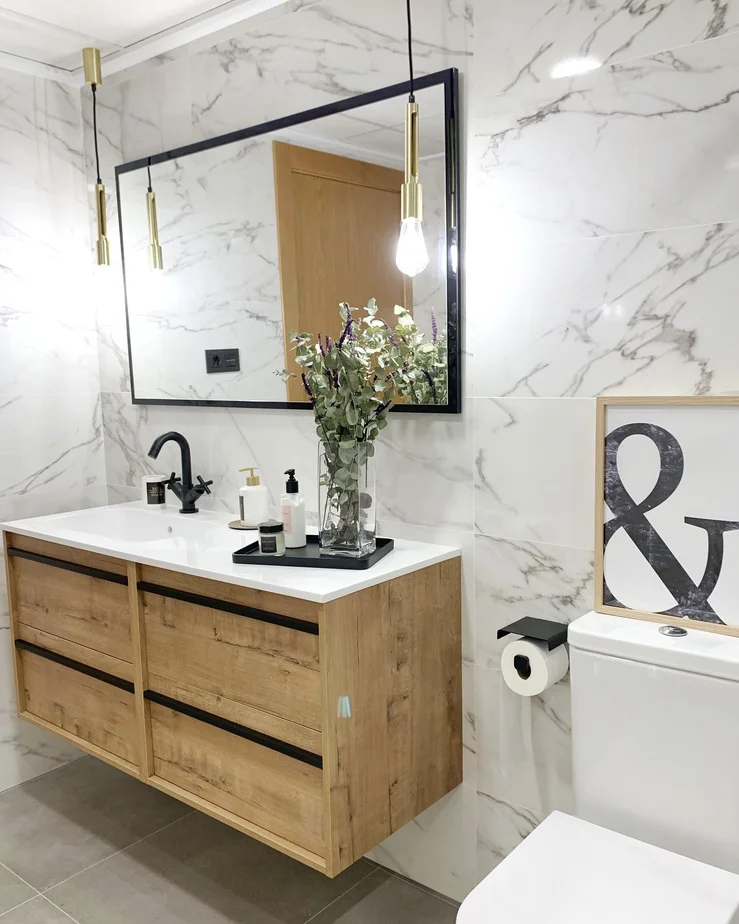
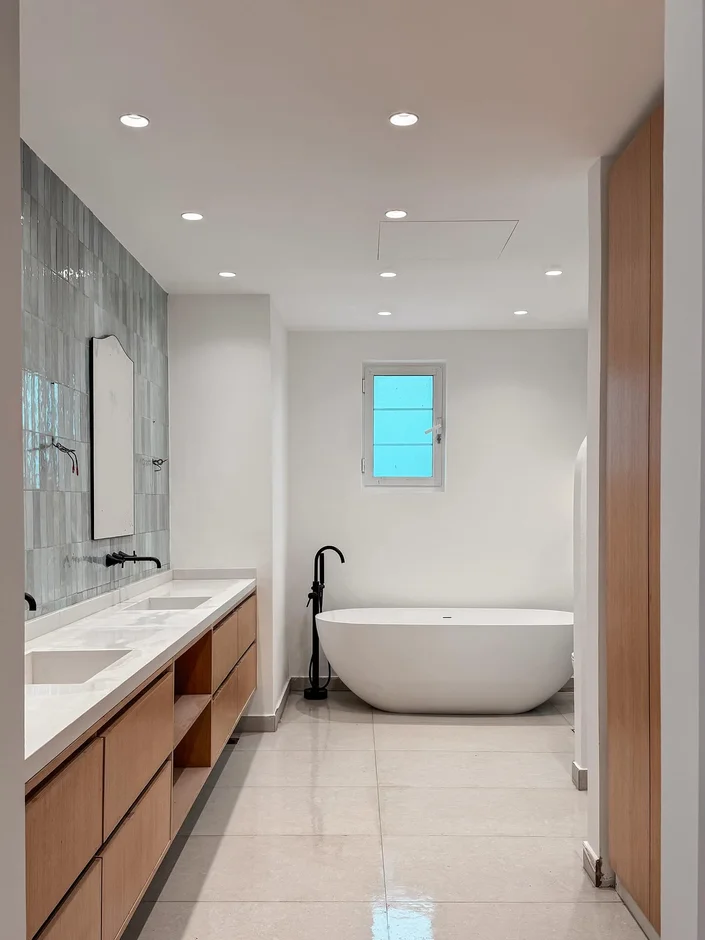
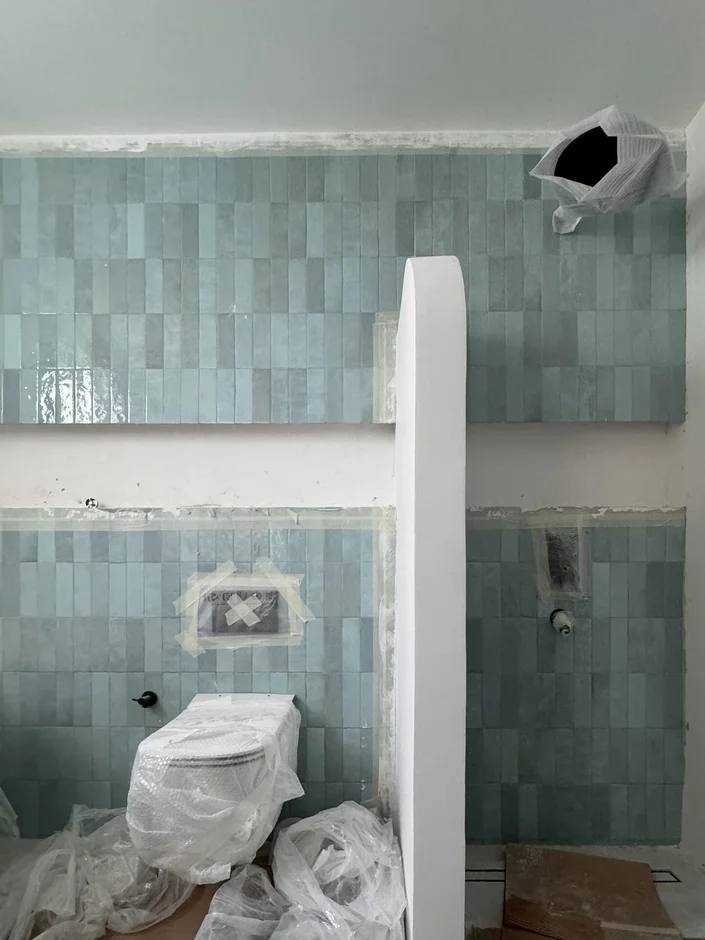
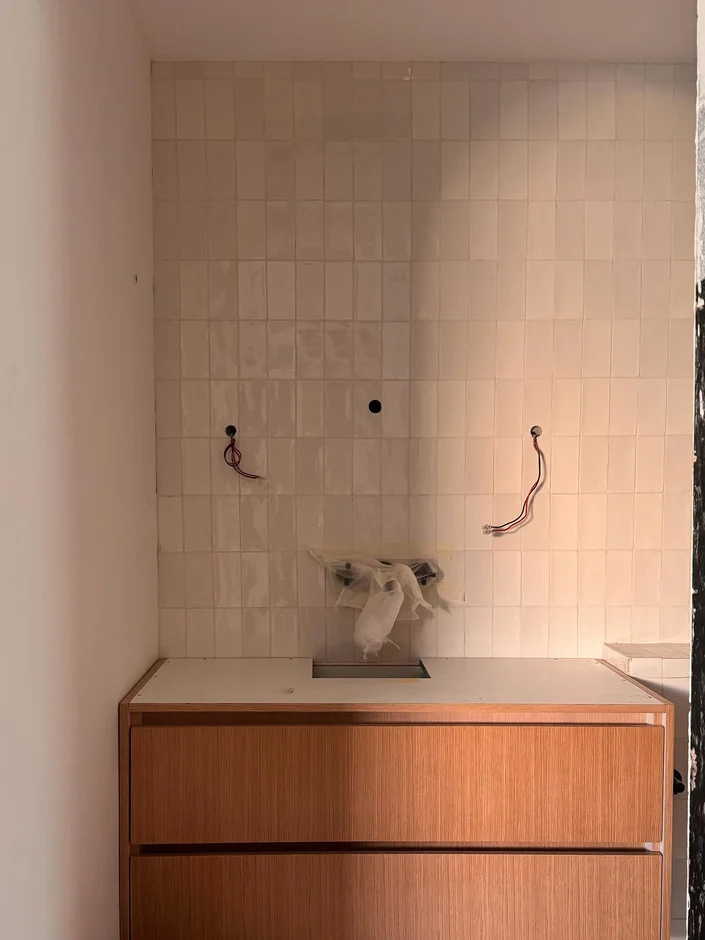
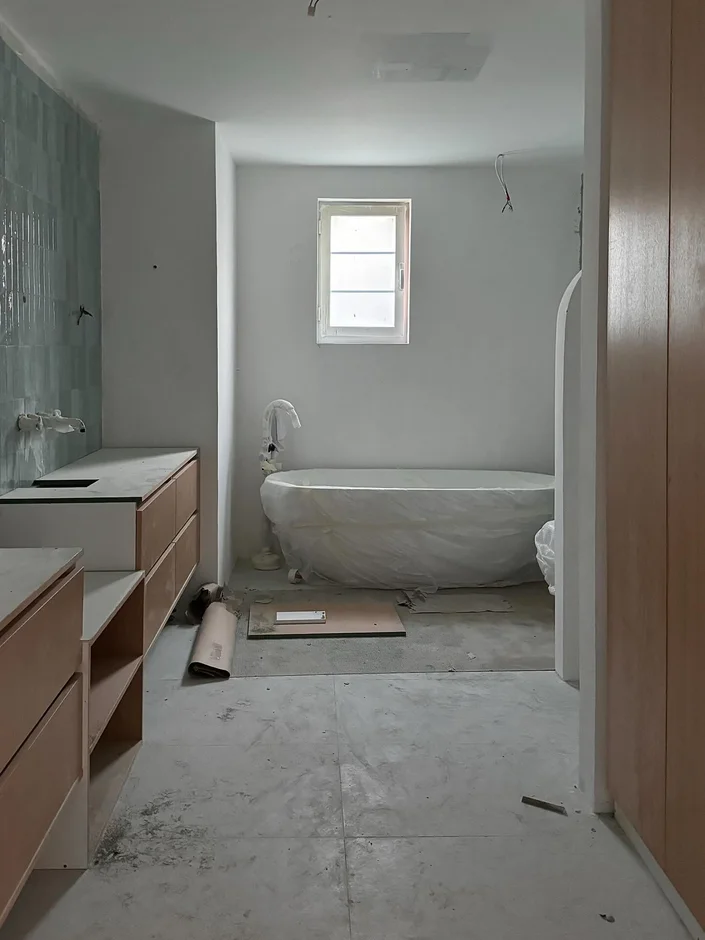
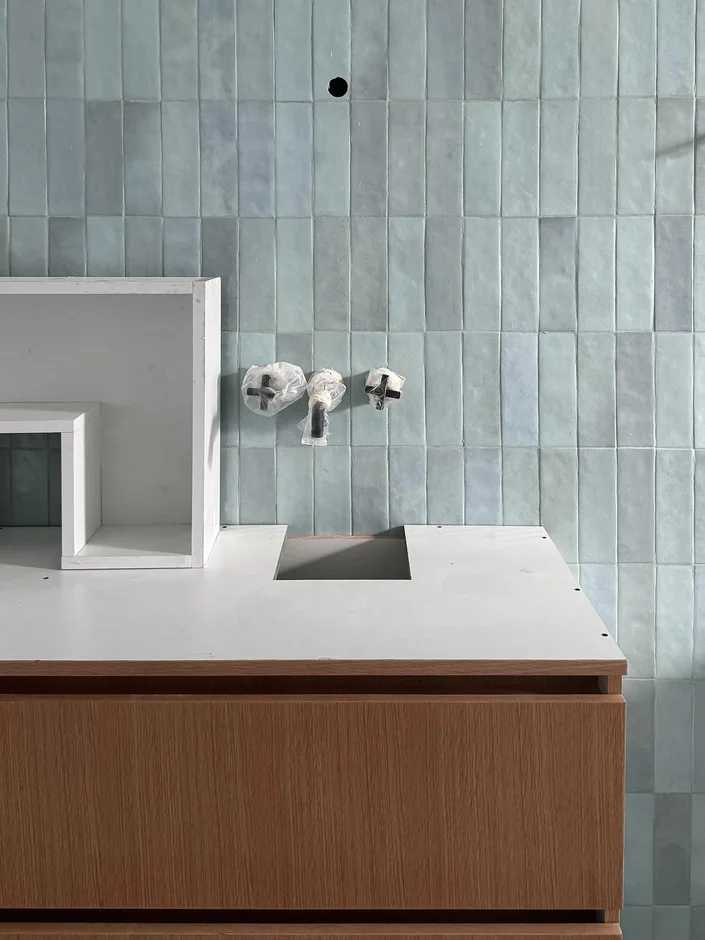
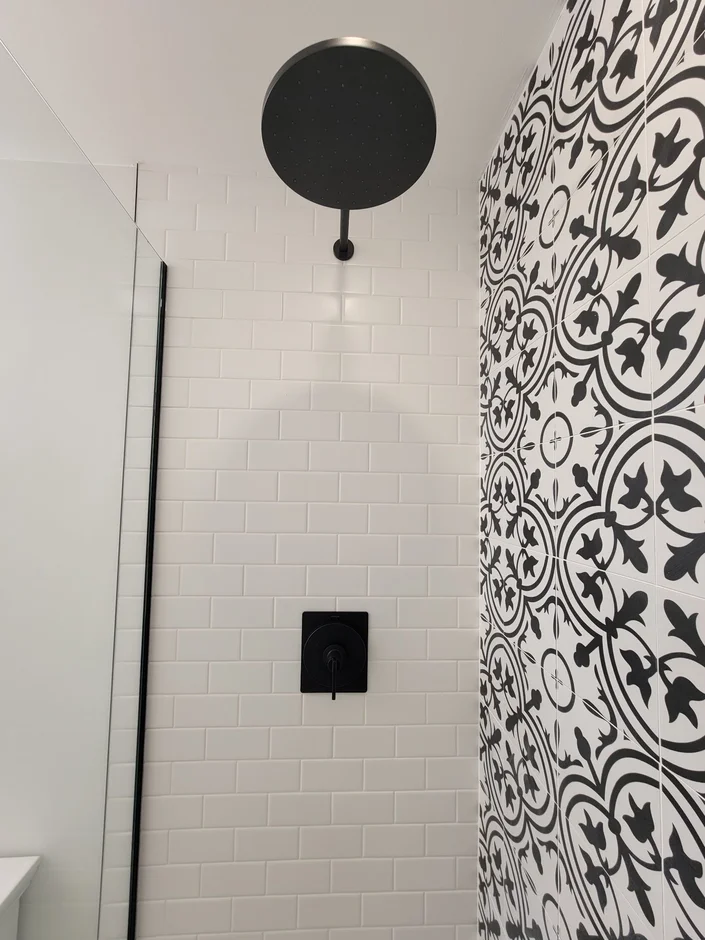
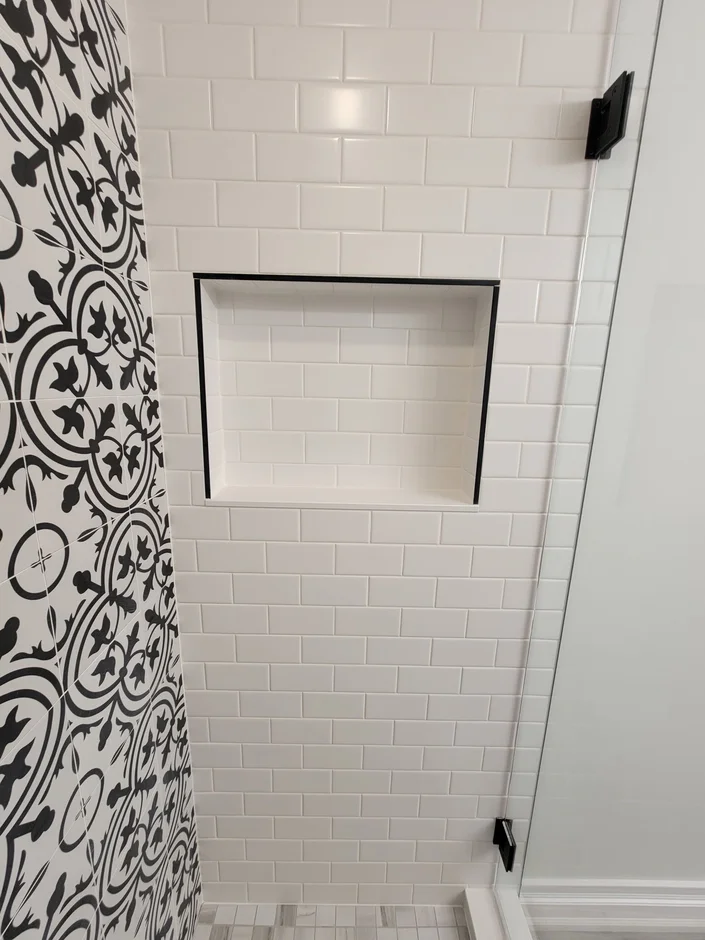
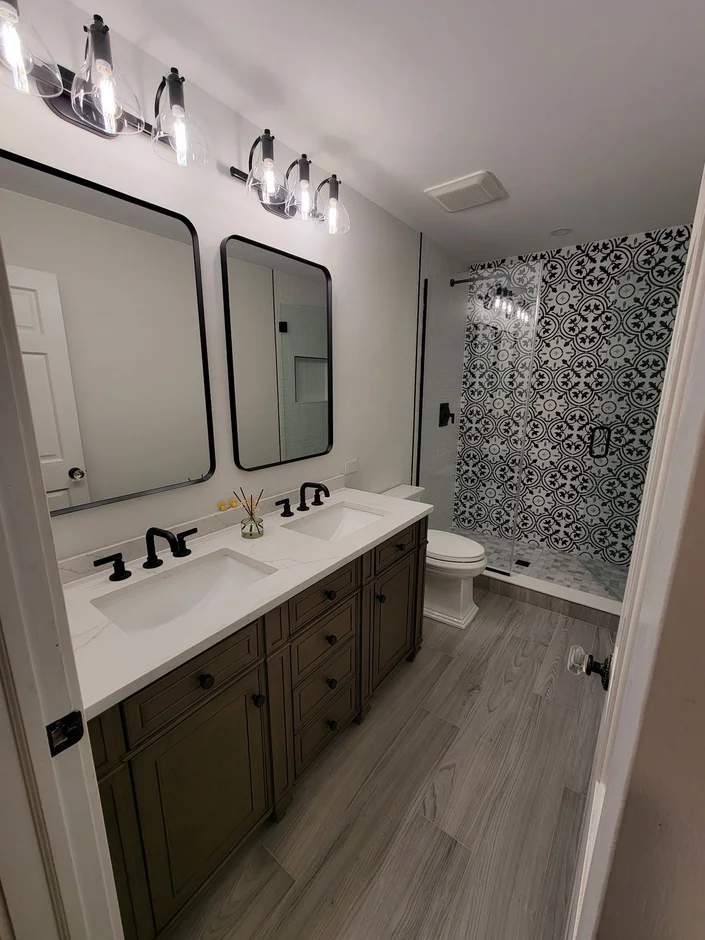
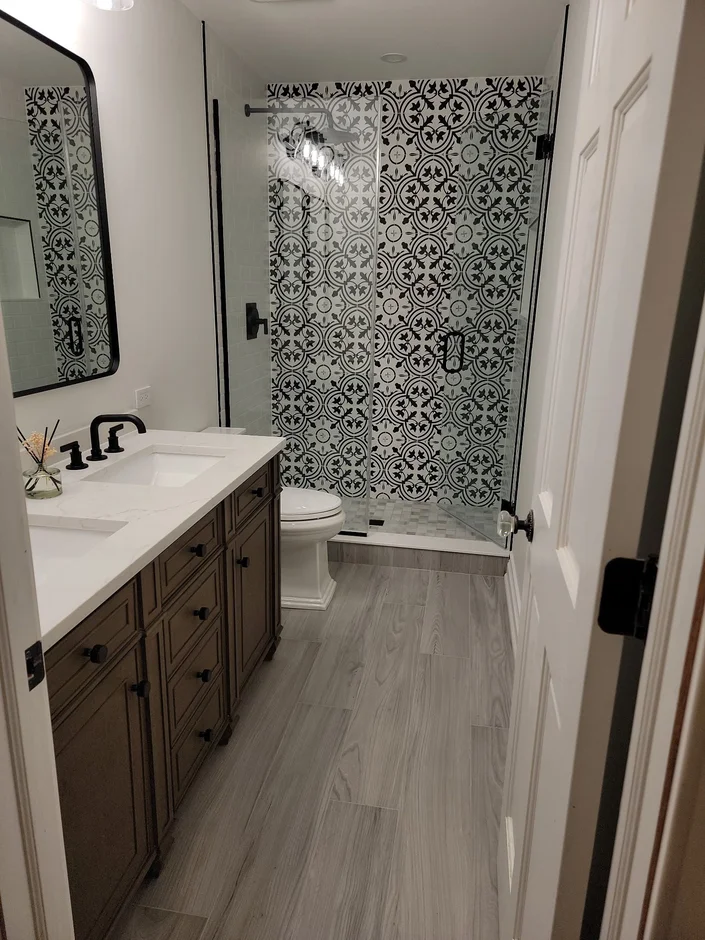
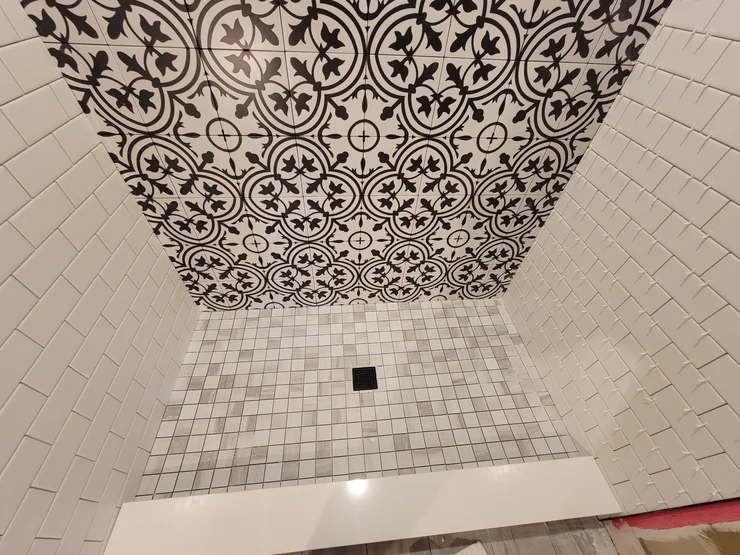
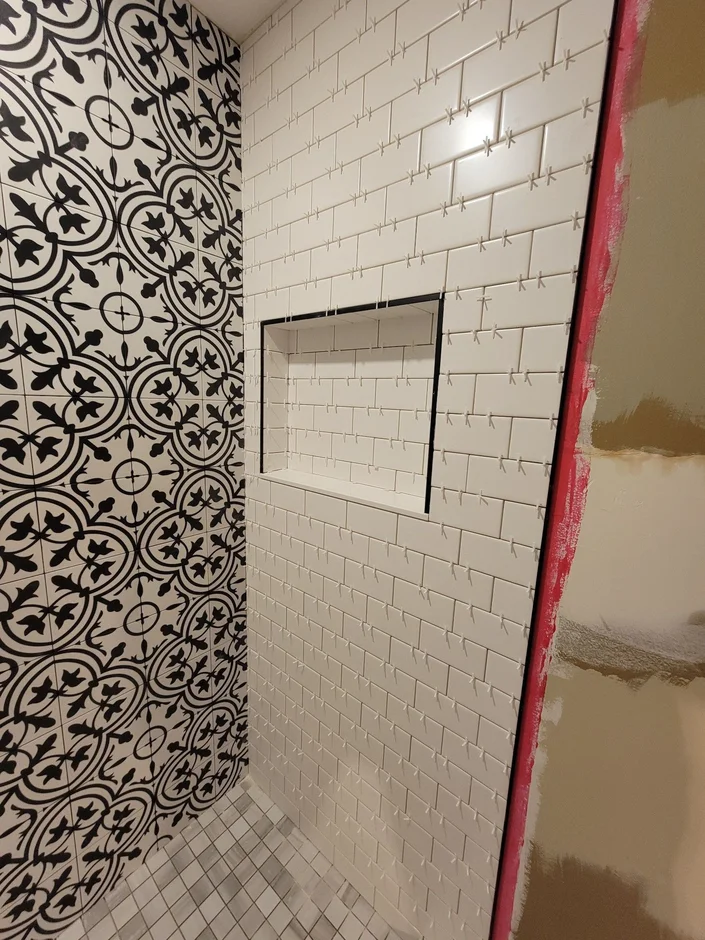
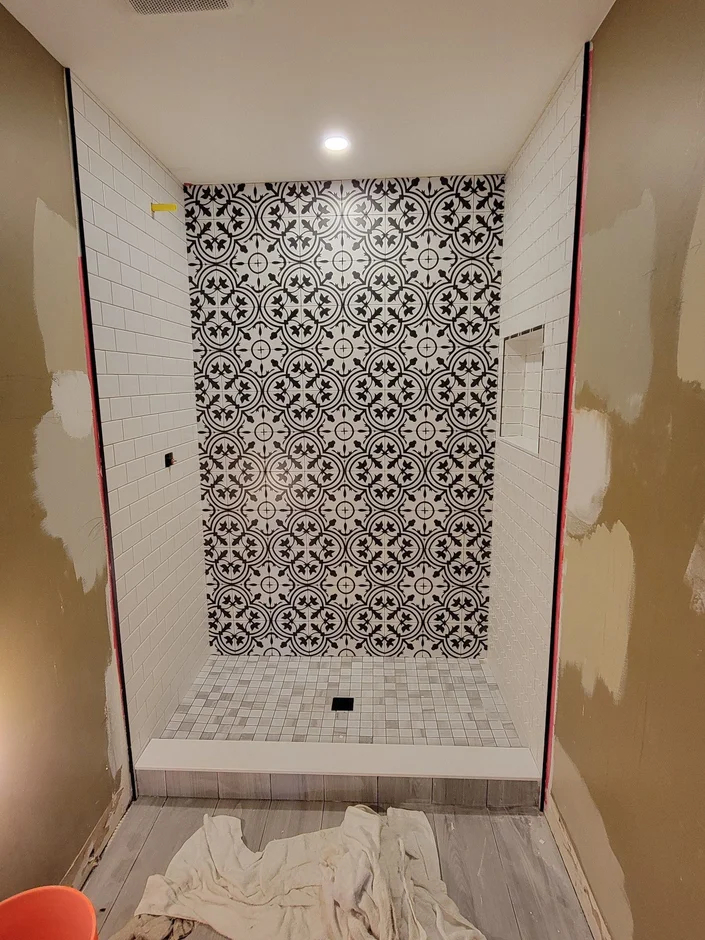
- Comfort-focused bathroom updates with waterproofing, ventilation planning, and bathroom renovations
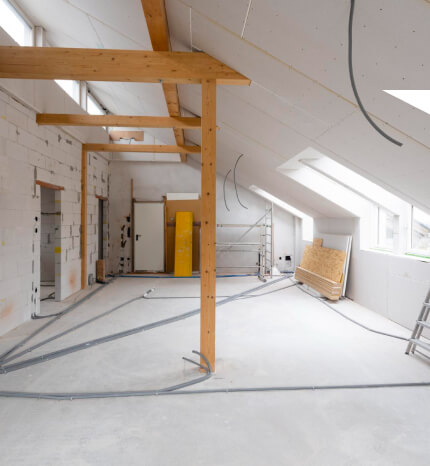
- Basement reconfiguration for living space, storage, laundry areas, and basement renovations
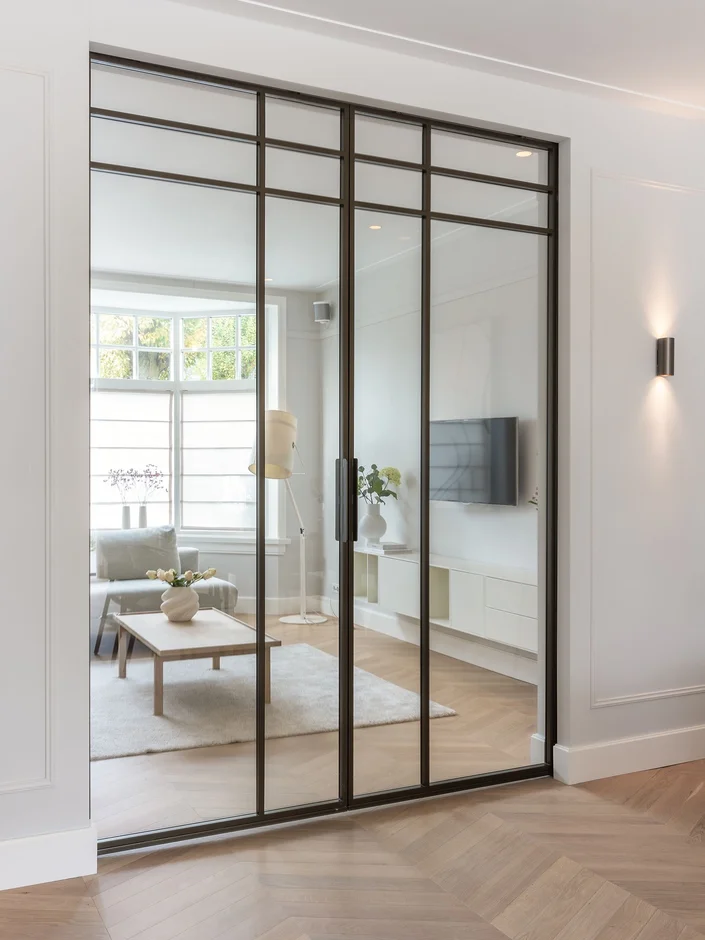
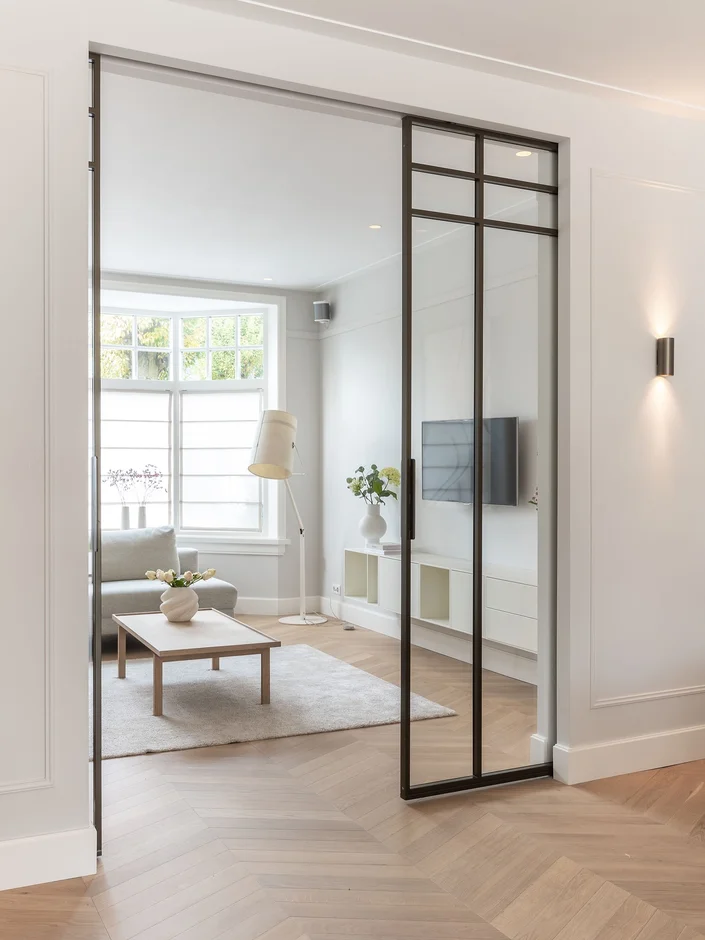
- Interior layout changes to improve circulation, storage, and multi-use rooms
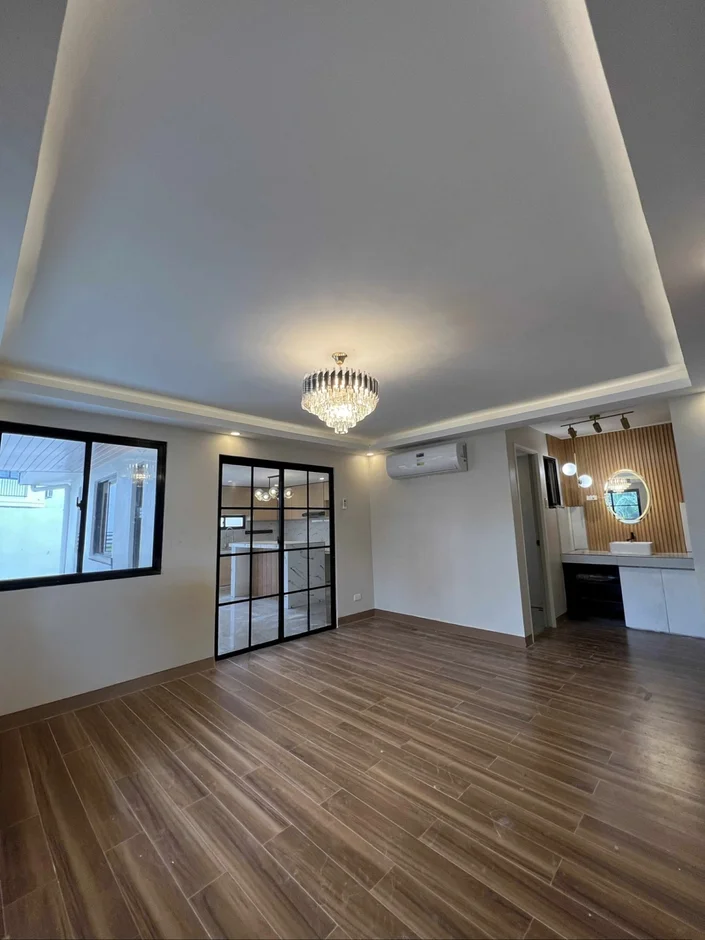
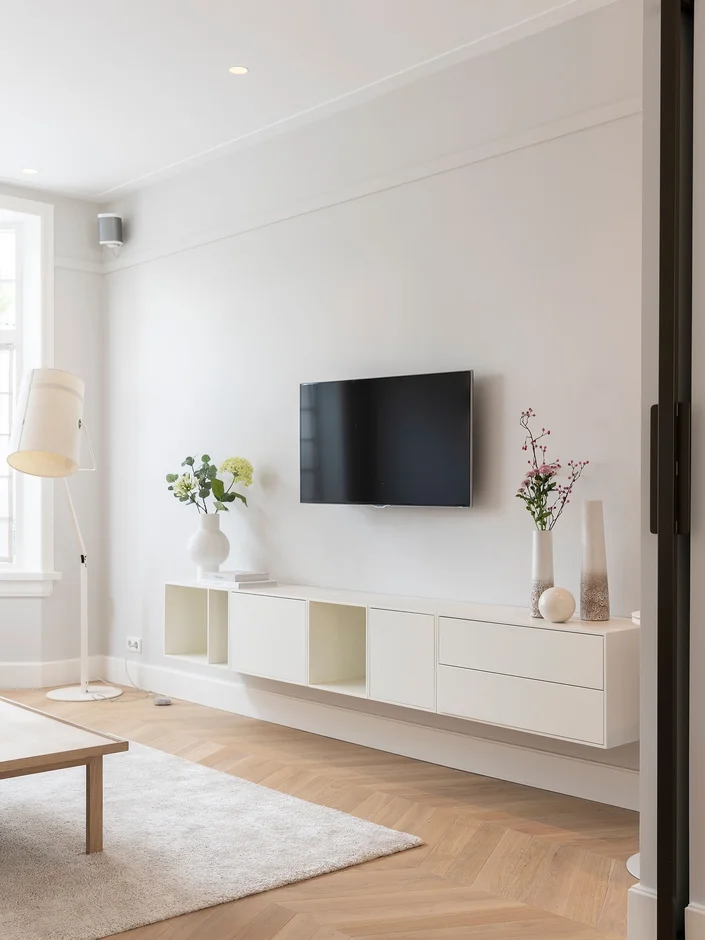
- Flooring replacement or refinishing, including transitions and trim coordination
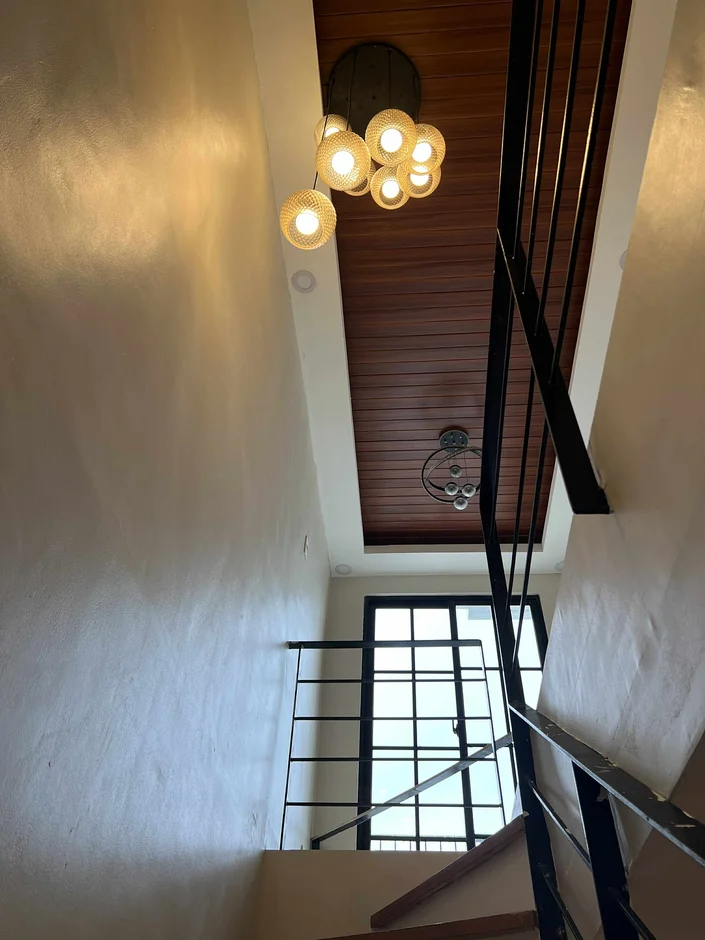
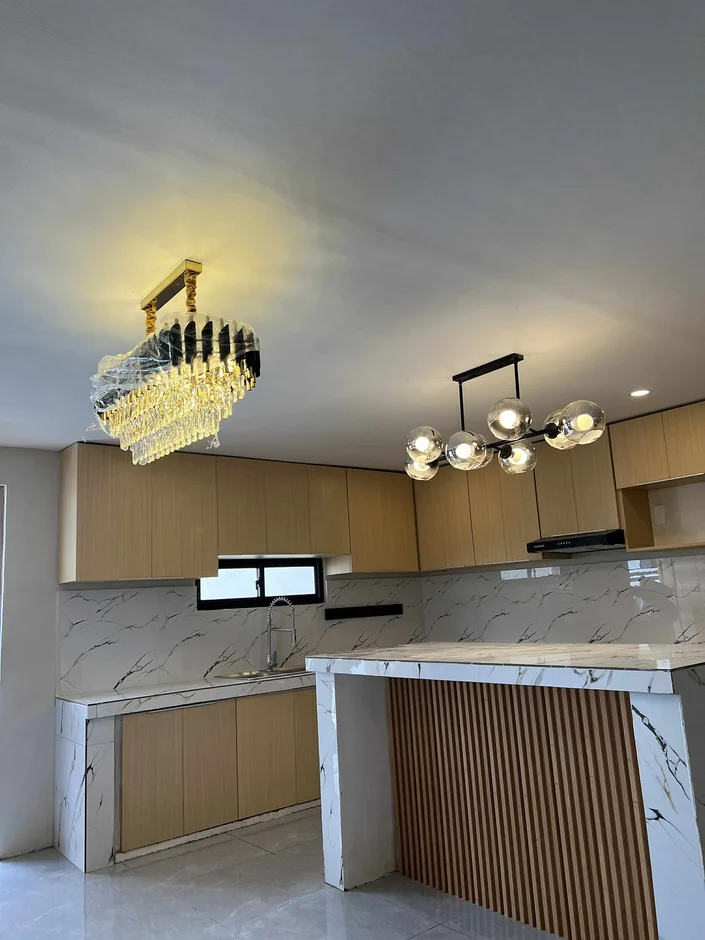
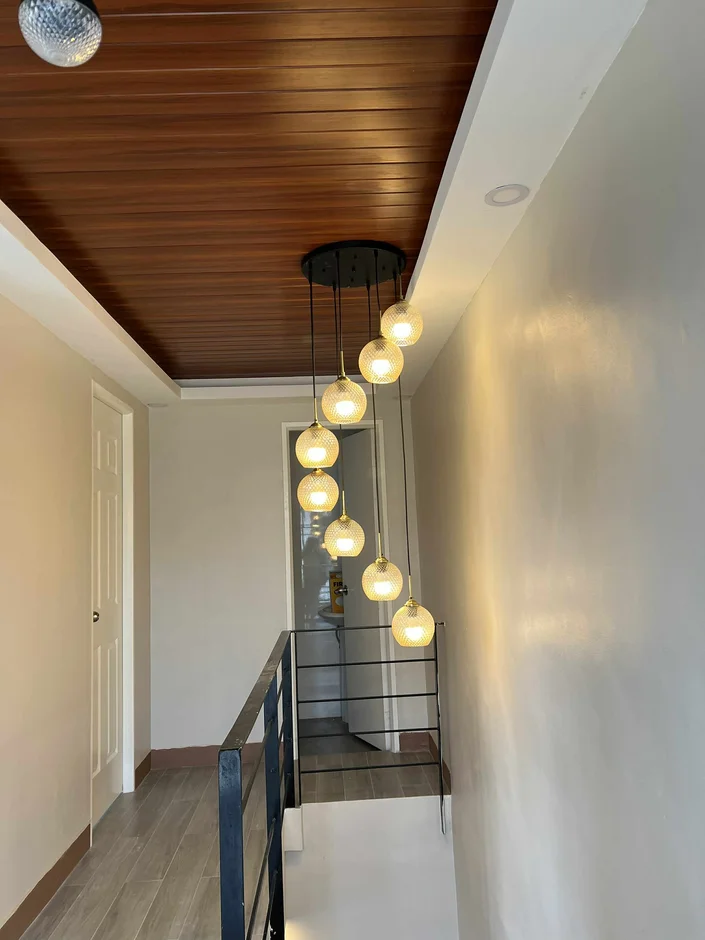
- Lighting upgrades with efficient fixtures and practical switching plans
- Drywall repairs, painting, and surface finishing for a cohesive interior
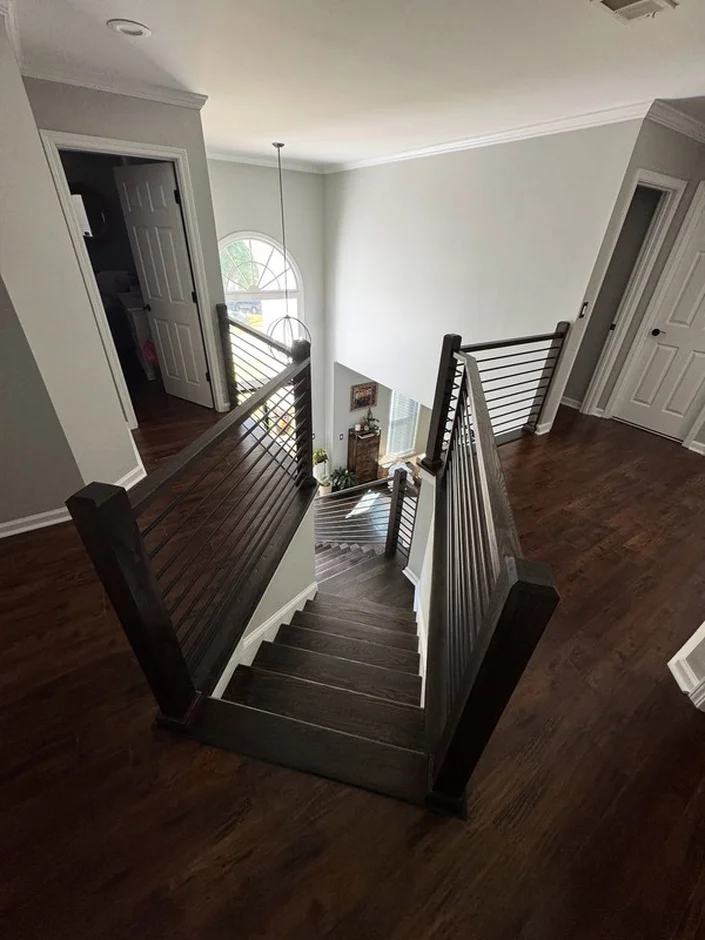
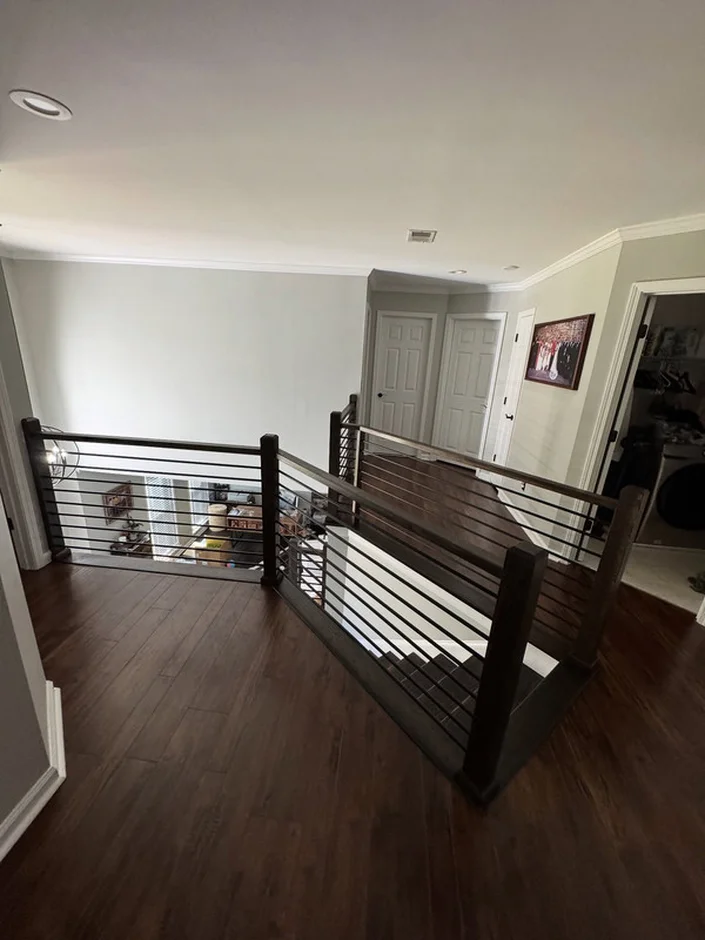
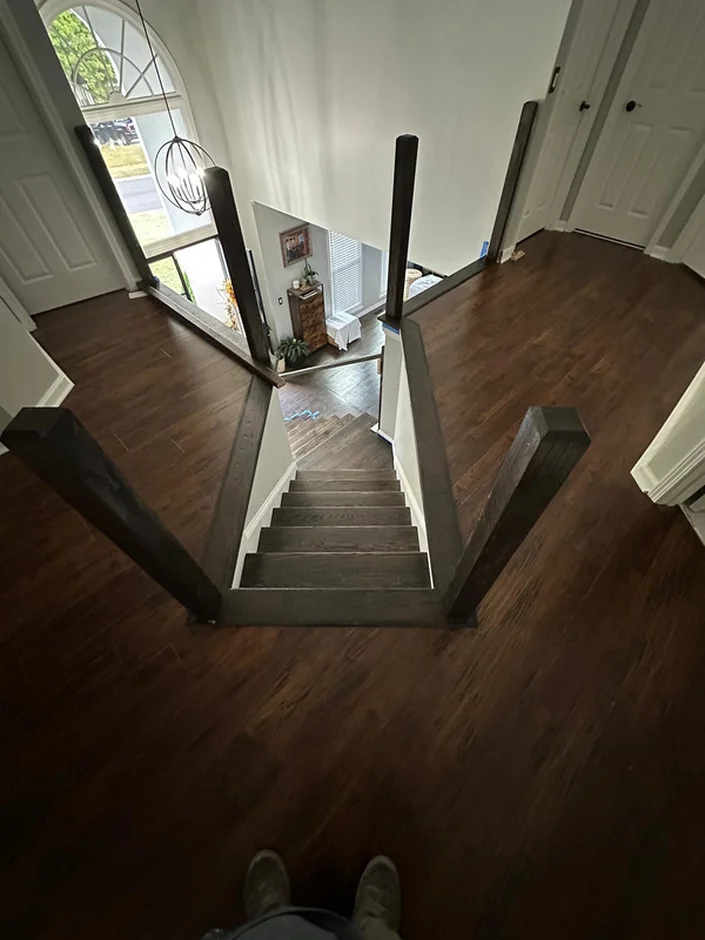
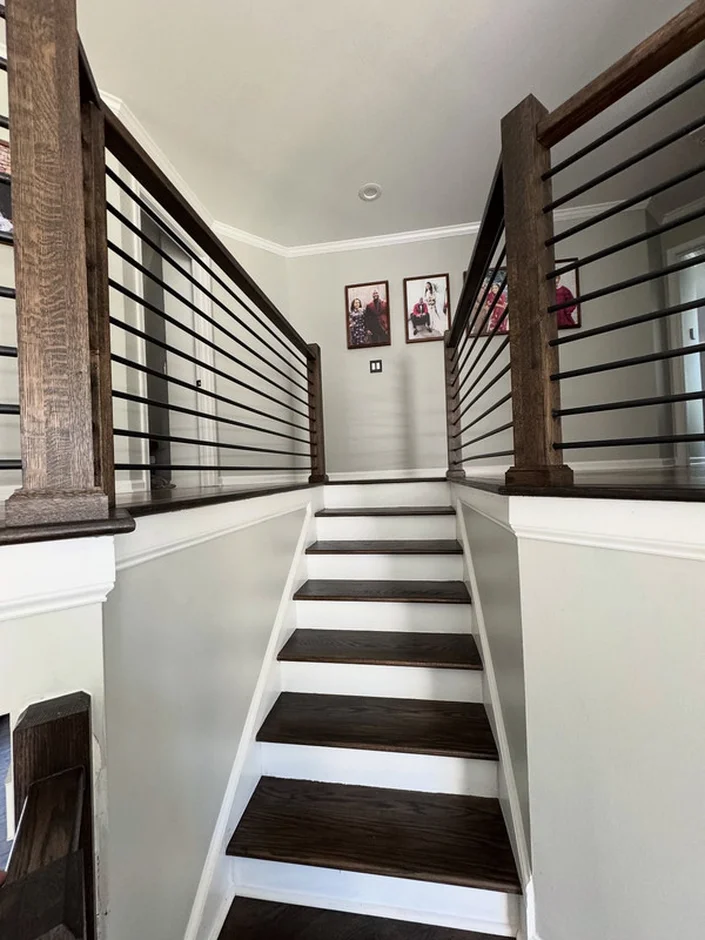
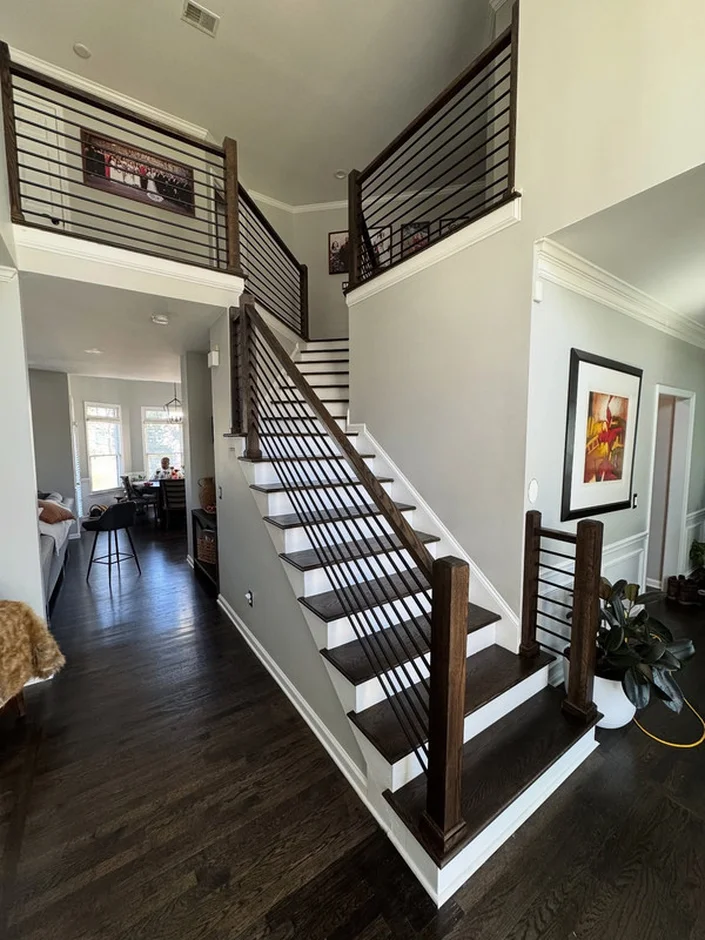
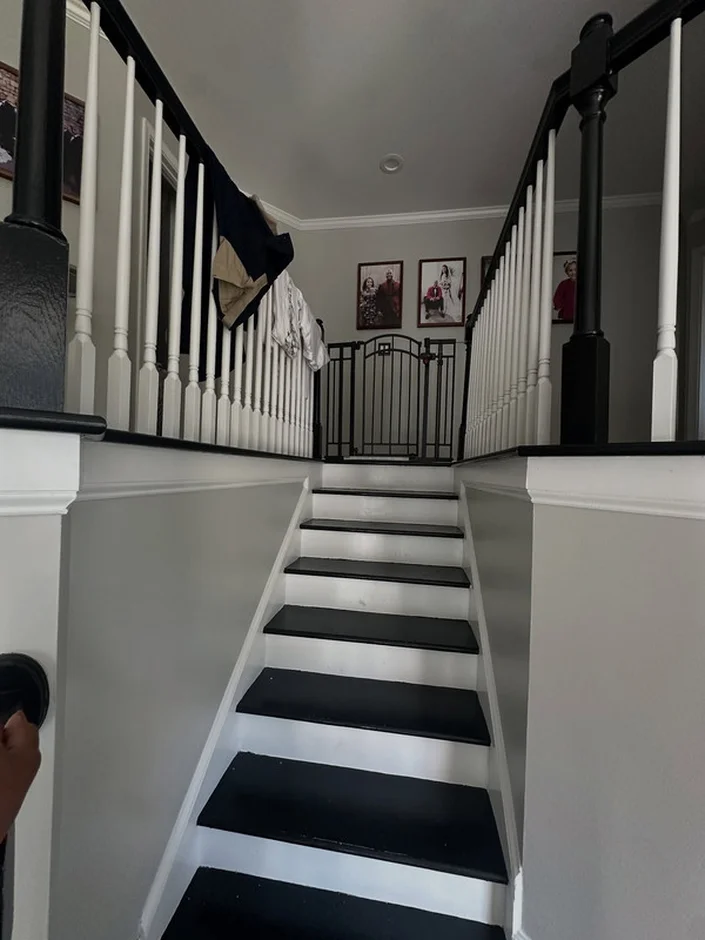
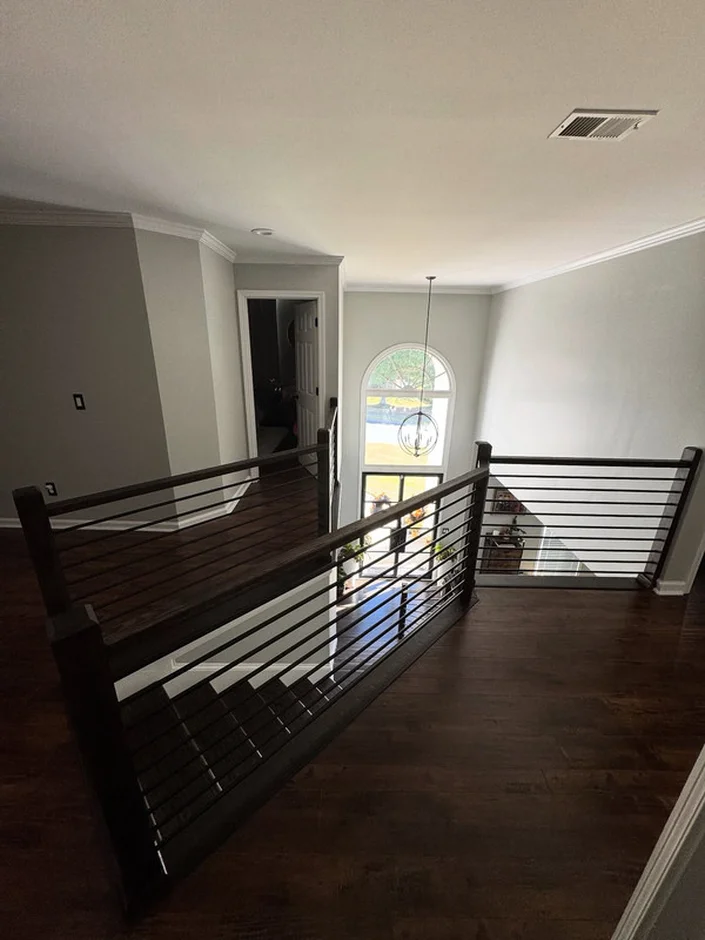
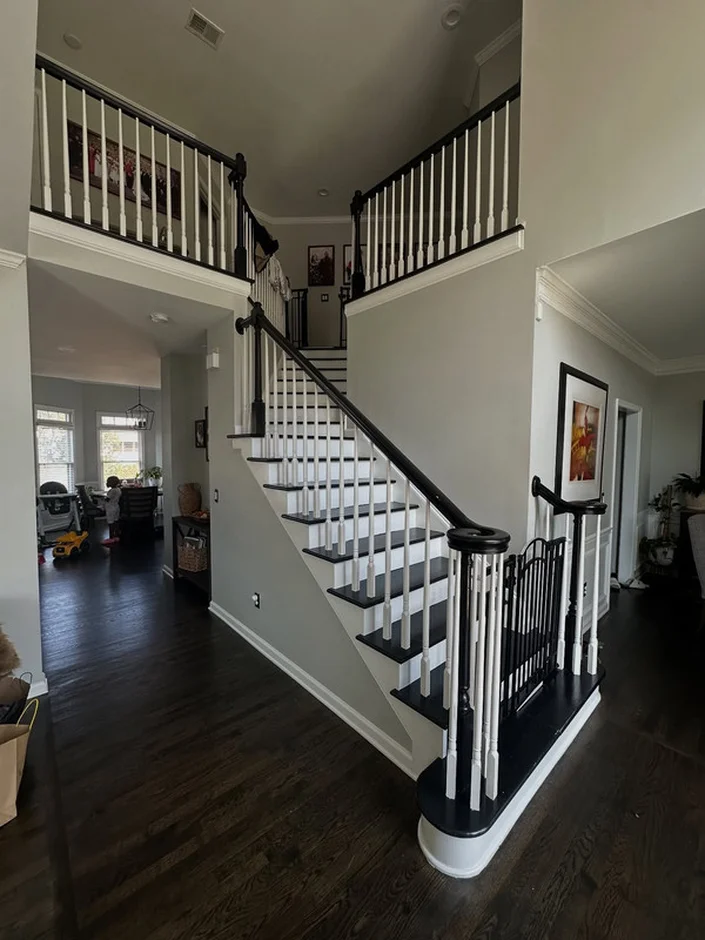
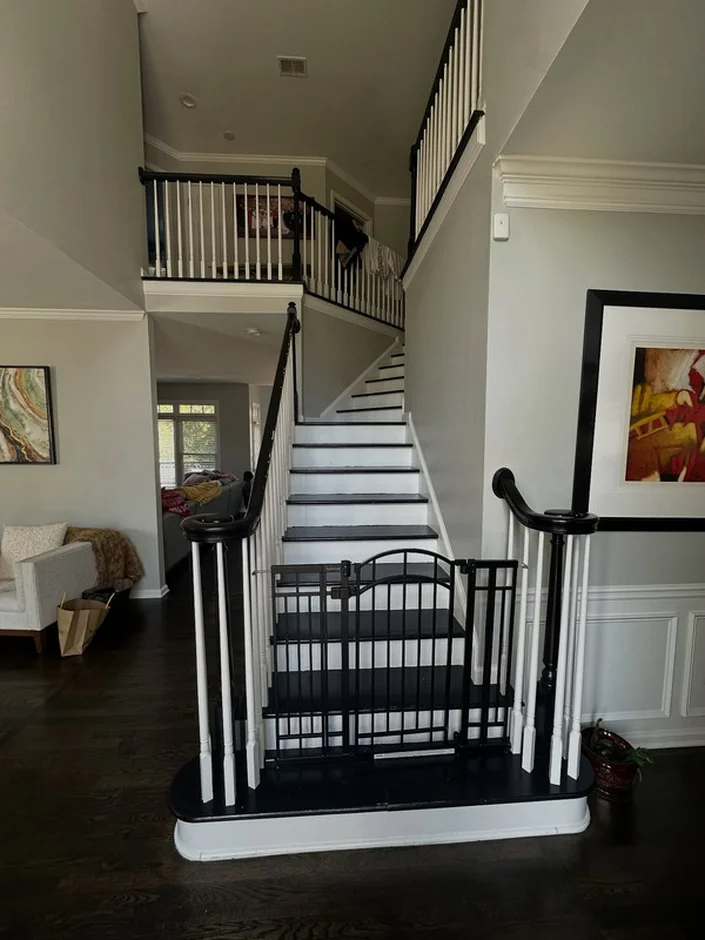
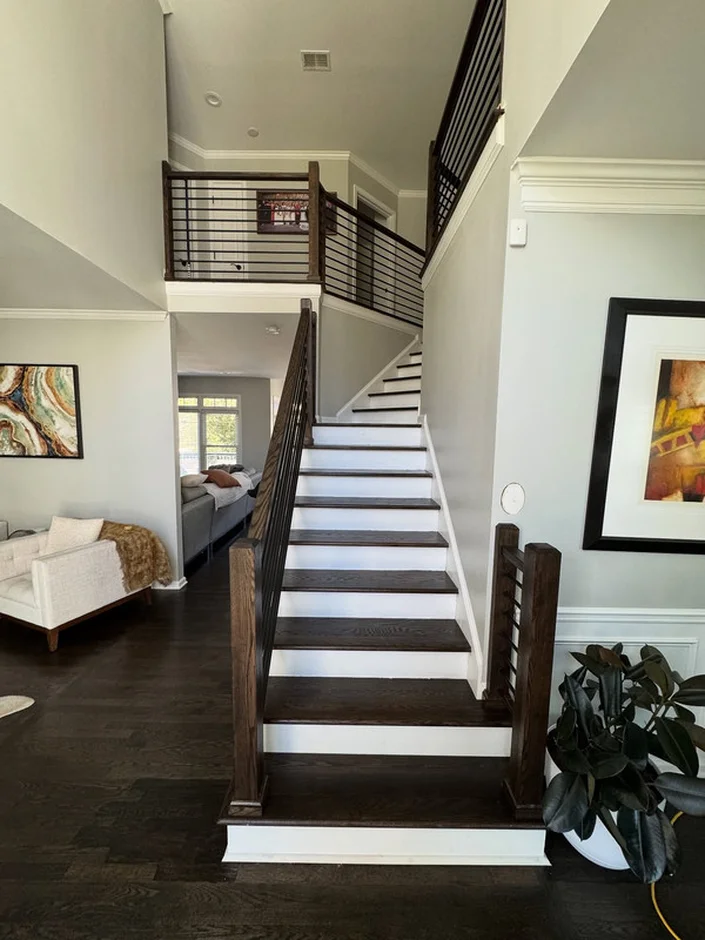
- Stair, railing, and interior carpentry updates for safer daily use
If you are comparing renovations Burnaby providers, it helps to look for a team that can manage the full sequence of work, not just the visible finish stage. Renovation projects go more smoothly when scope, trade coordination, and material ordering are handled with the same care as the final details. For homeowners searching house renovation Burnaby options, we keep the process organized and straightforward from the first discussion through to completion. We also support home renovations that focus on better functionality without forcing unnecessary changes.
Online repair cost calculation in Burnaby
Why Proper Planning Matters in a Canadian Home
Planning is where performance issues are either solved or accidentally locked in. Moisture control is a good example: bathrooms and basements need reliable waterproofing details, appropriate ventilation, and materials that won’t fail when humidity rises. Kitchens also benefit from smart ventilation and durable finishes because cooking moisture and daily cleaning can wear down surfaces over time.
Insulation and ventilation decisions should be made with the full assembly in mind, not just individual products. When air sealing, insulation, and ventilation work together, the home feels more comfortable, drafts are reduced, and the risk of condensation in vulnerable areas is lowered. Selecting finishes for durability also matters in Canadian households where entryways, hallways, and high-use rooms can take a beating from daily life. Thoughtful planning supports easier maintenance and helps the renovation age well.
Working With Renovation Contractors
A renovation is easier to manage when communication is consistent and expectations are documented. Early conversations should cover goals, constraints, and how the household uses the space. A good contractor will explain what’s possible, where trade-offs exist, and which decisions need to be made early to keep the timeline steady.
Transparency also means outlining how changes are handled. During construction, new information can come to light once walls or floors are opened. Clear processes for change requests, product substitutions, and schedule adjustments help homeowners stay in control without feeling like they are negotiating every detail mid-project.
Scheduling coordination is another key value of working with a professional team. Most projects require multiple trades, and the order of work matters. Reliable coordination reduces gaps between steps, keeps the site safer and cleaner, and helps ensure that finishes are installed after the underlying work is done correctly. Budget clarity follows the same principle: a clear scope and realistic allowances prevent the project from drifting.
Many homeowners also want to know what day-to-day life will look like during construction. A contractor should be able to explain site access, dust control, cleanup routines, and what rooms may be unavailable at different stages. That practical guidance can be as important as design decisions, especially when the household plans to remain at home during the renovation.
Frequently Asked Questions
How do I know whether my renovation is cosmetic or involves deeper changes?
Cosmetic work typically focuses on finishes like paint, flooring, and fixtures without changing the underlying layout or building systems. Deeper renovations may involve moving walls, relocating plumbing, updating electrical, or improving ventilation. A detailed scope review helps identify what’s actually required before work begins.
Can we live in the home during a renovation?
Many homeowners stay in the home for smaller projects, but it depends on which rooms are affected and how utilities are impacted. Work involving kitchens, bathrooms, or major dust-generating demolition can be challenging without temporary arrangements. A phased plan and clear site routines can reduce disruption when staying put is important.
What usually causes renovation timelines to stretch?
The most common causes are changes to the scope after work begins, material delays, and discovering hidden conditions once surfaces are opened. Trade sequencing also matters, since some steps can’t start until earlier work is complete. Strong planning and early product selection help keep momentum.
How should we prioritize budget decisions without sacrificing quality?
Start by protecting the parts of the build you can’t easily change later, such as waterproofing, ventilation, and core mechanical work. Then choose finishes that fit your lifestyle and maintenance preferences rather than chasing trends. If trade-offs are needed, it’s often better to simplify surfaces than to cut corners on performance.
What energy-efficient upgrades make sense during an interior renovation?
Common upgrades include LED lighting, improved ventilation controls, better insulation where accessible, and air sealing in areas opened during the project. The best options depend on the scope and what parts of the home are being renovated. A contractor can help coordinate these improvements so they fit naturally into the work plan.
How do we handle moisture risk in bathrooms and basements?
Moisture control starts with proper waterproofing details, reliable ventilation, and materials designed for wet or humid environments. Basements also benefit from a careful approach to insulation and airflow so that finishes don’t trap moisture. Planning the assembly correctly is more important than any single product choice.
Final Call to Action
If you’re planning a renovation and want clear guidance on scope, sequencing, and durable choices that suit Canadian living, we’re here to help. Talk through your ideas, ask questions about timelines and disruption, and get a practical plan that supports comfort, function, and long-term value. To start the conversation, call Phone.


 Online















 10+ days