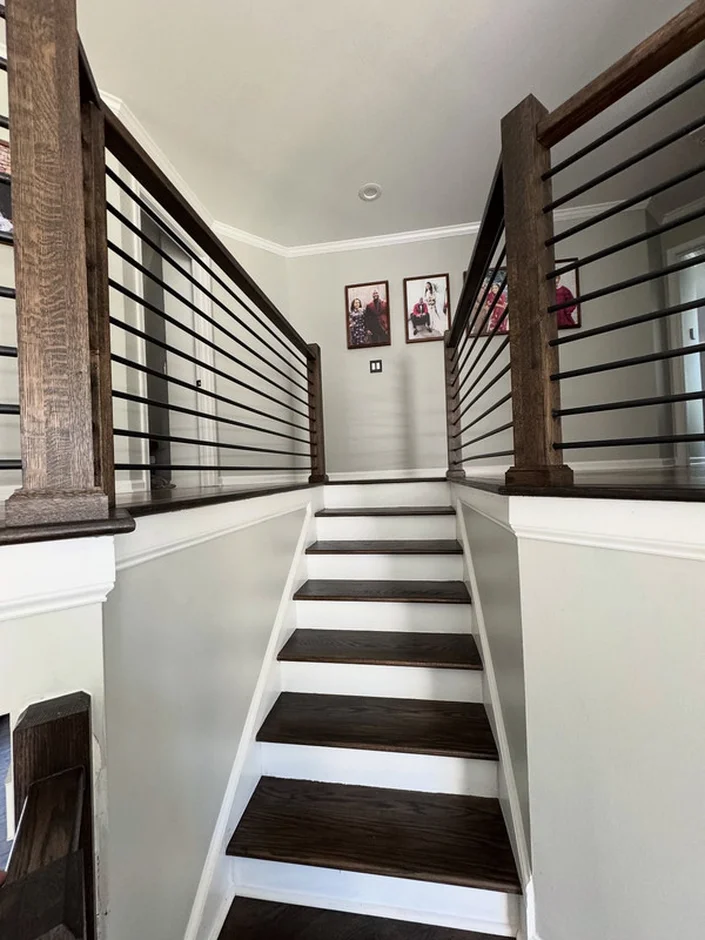
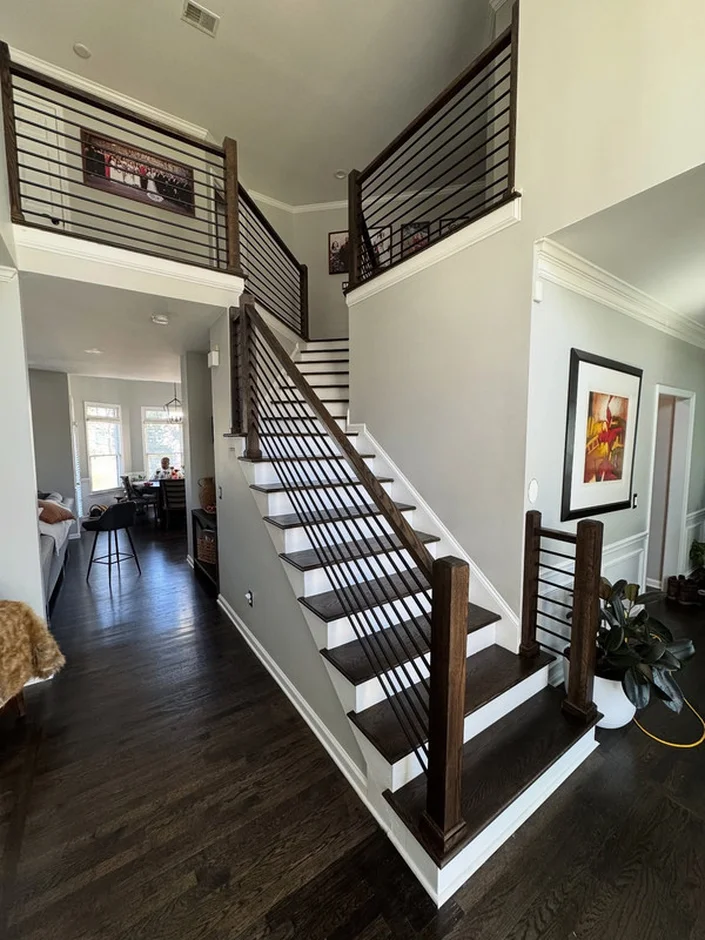
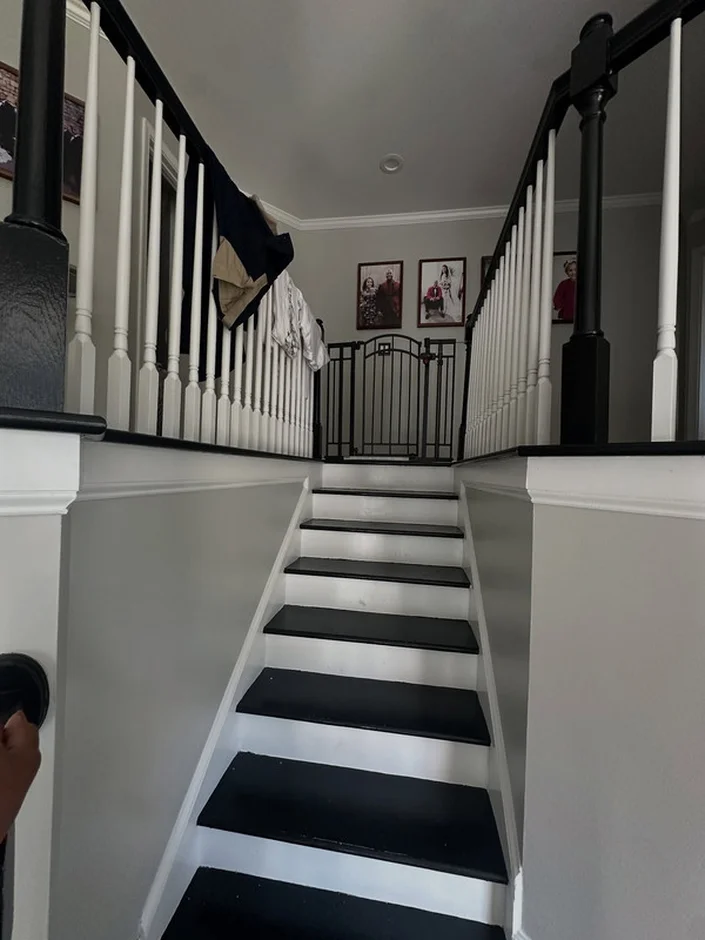
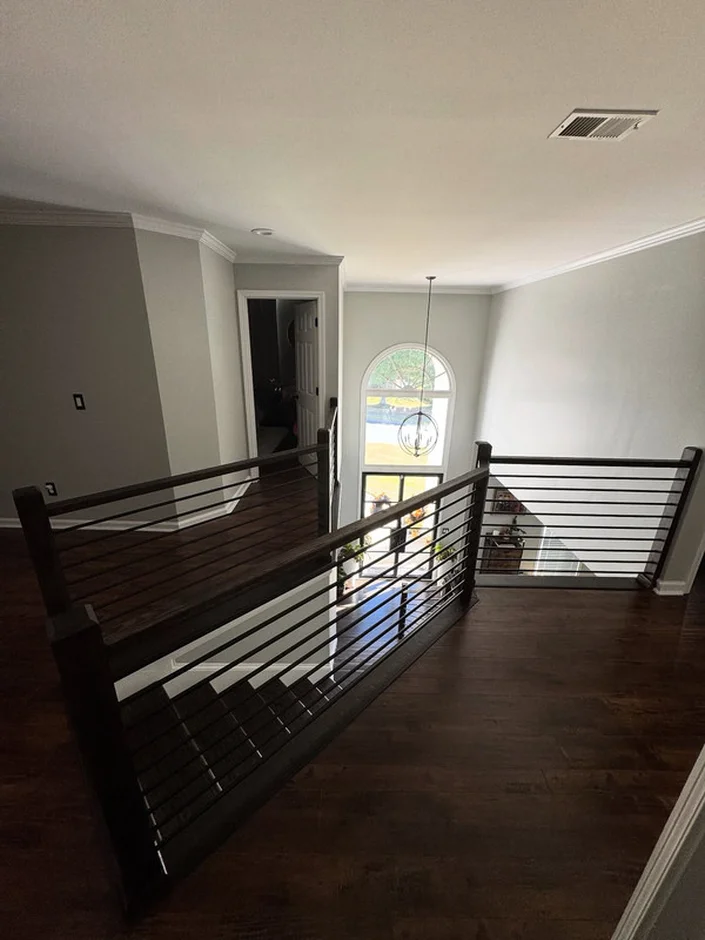
Quebec City homeowners often look for well-planned renovations that improve comfort, function, and everyday Canadian living while respecting the character of their homes. With a diverse mix of historic properties and newer housing, careful planning makes a meaningful difference. If you’re considering a renovation, you may call Phone for guidance on next steps.
Renovation priorities in large Canadian cities tend to reflect both history and density, and Quebec City is no exception. Many neighbourhoods feature older homes with strong architectural character that now require updates to meet modern expectations for comfort, efficiency, and usability. At the same time, newer developments and condo buildings introduce different challenges related to layout, sound control, and shared infrastructure.
Urban renovation projects benefit from efficient planning, clear scheduling, and steady communication. In Quebec City, narrow streets, limited parking, and compact lots can affect how materials are delivered and where trades can stage their work. Noise considerations, condo or strata approvals, and coordinating access in denser areas all influence how smoothly a renovation progresses.
Energy efficiency and indoor comfort are also important considerations, especially given seasonal temperature changes. Homeowners often explore upgrades such as improved insulation where accessible, LED lighting, ventilation improvements, and compatibility with modern heating systems like heat pumps. Thoughtful interior design plays a critical role in dense urban environments, helping homes feel organized, bright, and adaptable without expanding their footprint.
What Renovation Planning Looks Like in a Large Canadian City
Project planning in Quebec City is shaped by building types, traffic patterns, and delivery access. Historic neighbourhoods may have tight streets and limited loading space, while multi-unit buildings often require scheduled access and protection of shared areas. Coordinating trades carefully helps ensure work progresses efficiently despite these constraints.
Homeowners typically aim to improve both layout and performance during a renovation. Creating multifunctional spaces that support home offices, family life, and entertaining is a common goal. Pairing these layout changes with energy performance upgrades—such as better lighting efficiency and improved ventilation—helps ensure the renovation delivers lasting comfort.
Like many major Canadian cities, Quebec City has a growing number of condos and shared residential buildings. Renovations in these settings often require approvals, adherence to bylaws, permitted work hours, and quiet construction practices. These factors can shape timelines and influence how work is staged, making early coordination an essential part of planning.
Renovation Services Available in Quebec City
In large metropolitan areas, residential renovation services most often focus on interior improvements that enhance comfort, functionality, and durability.
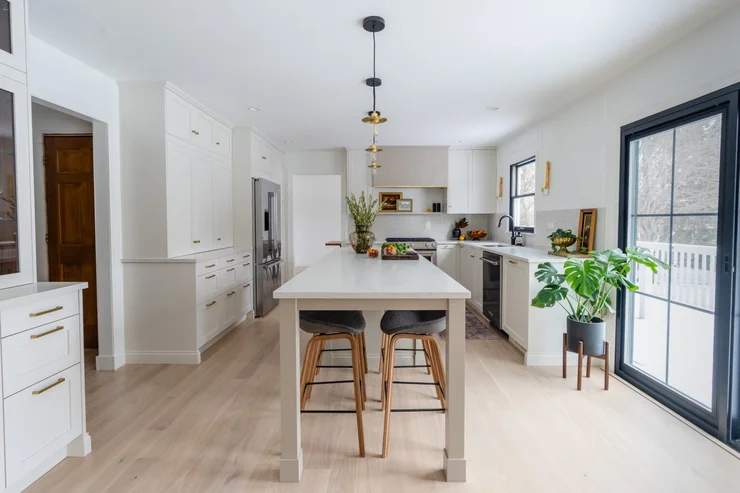
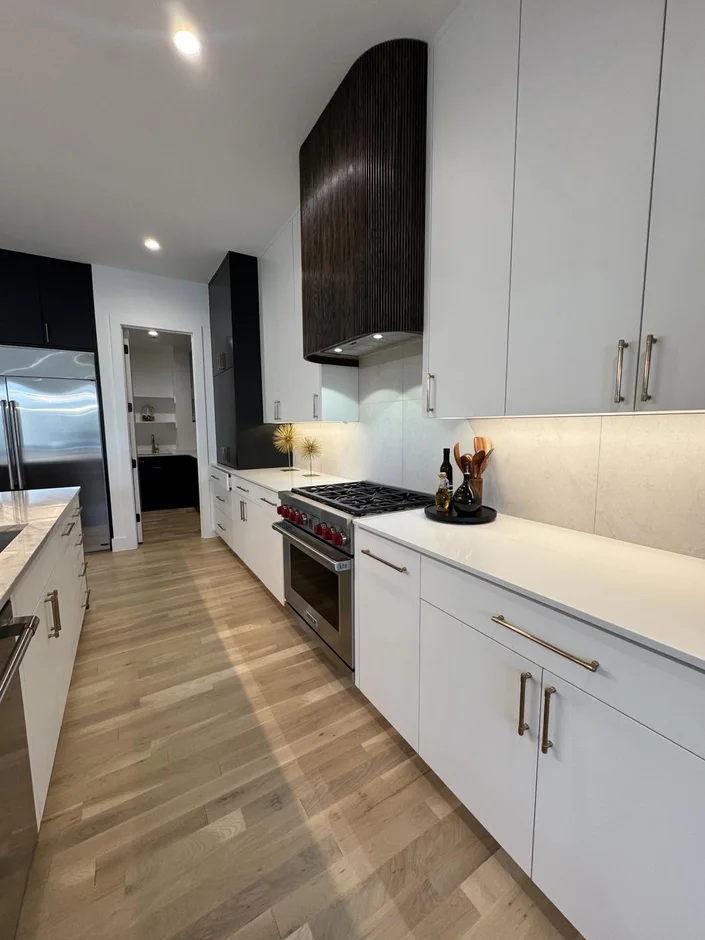
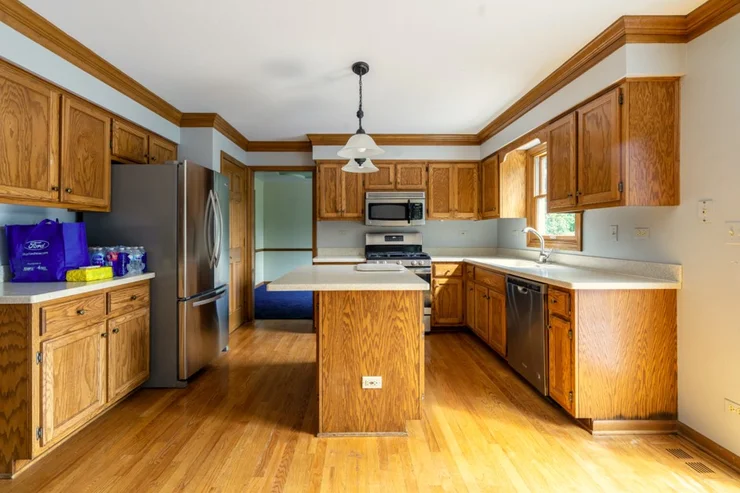
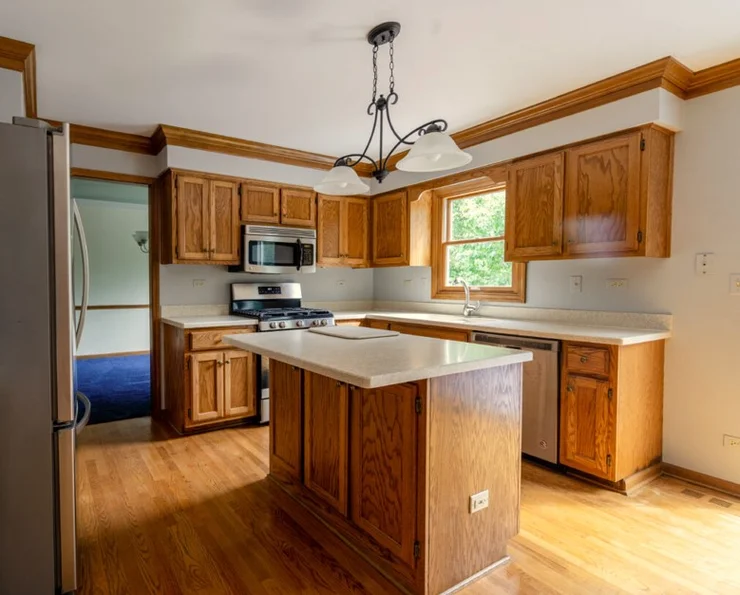
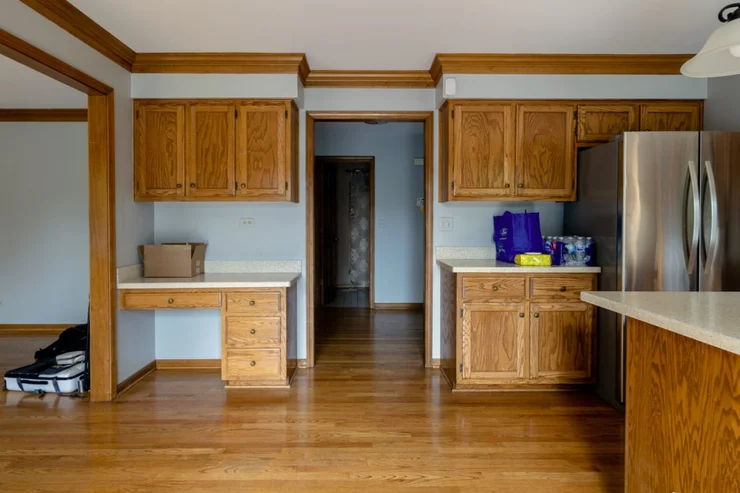
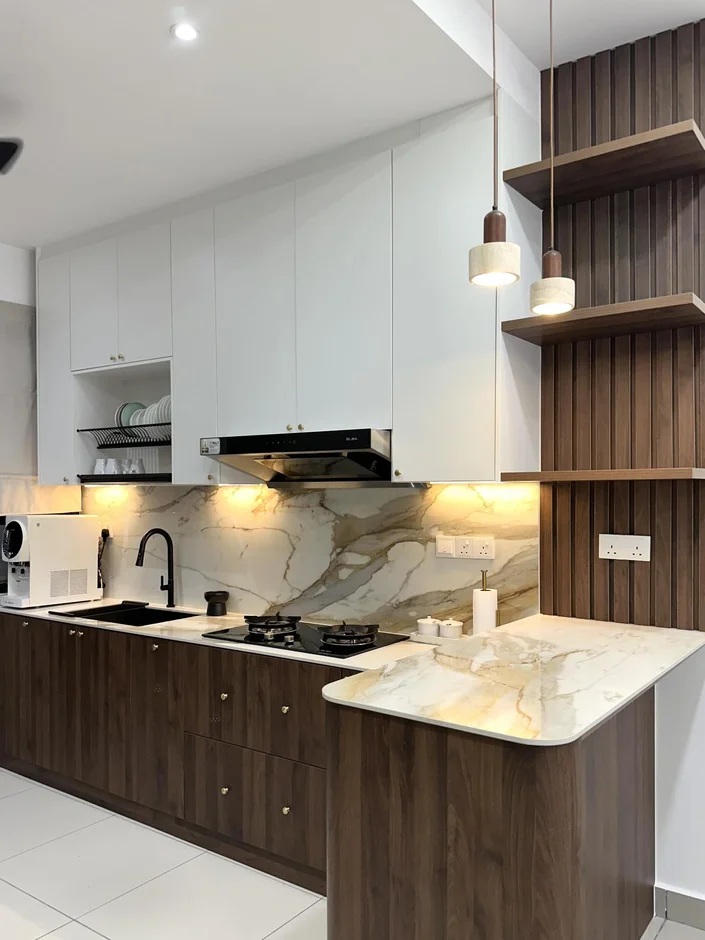
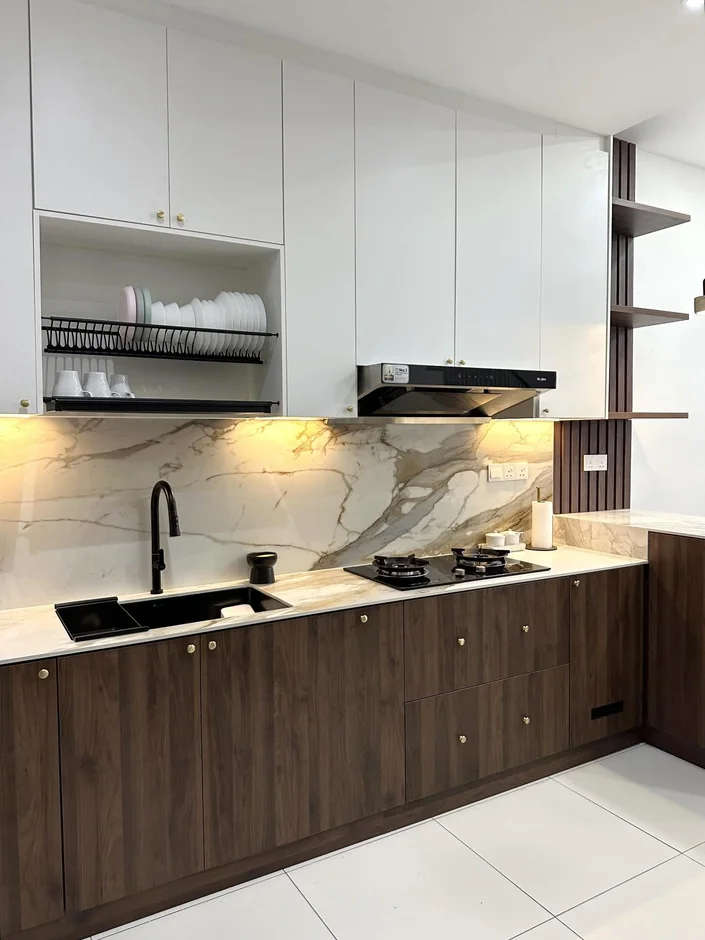
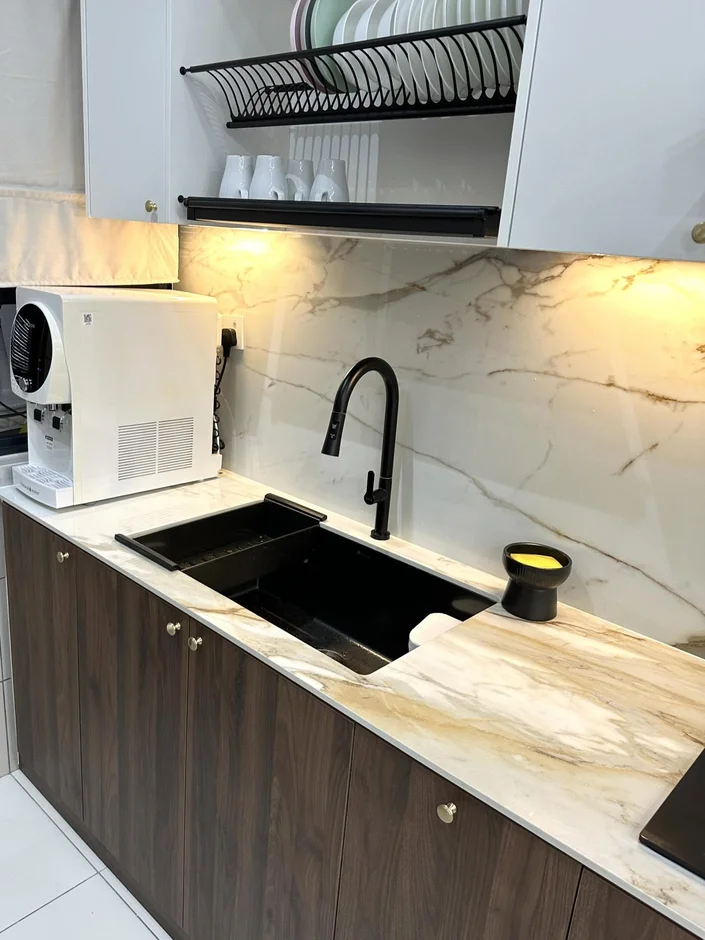
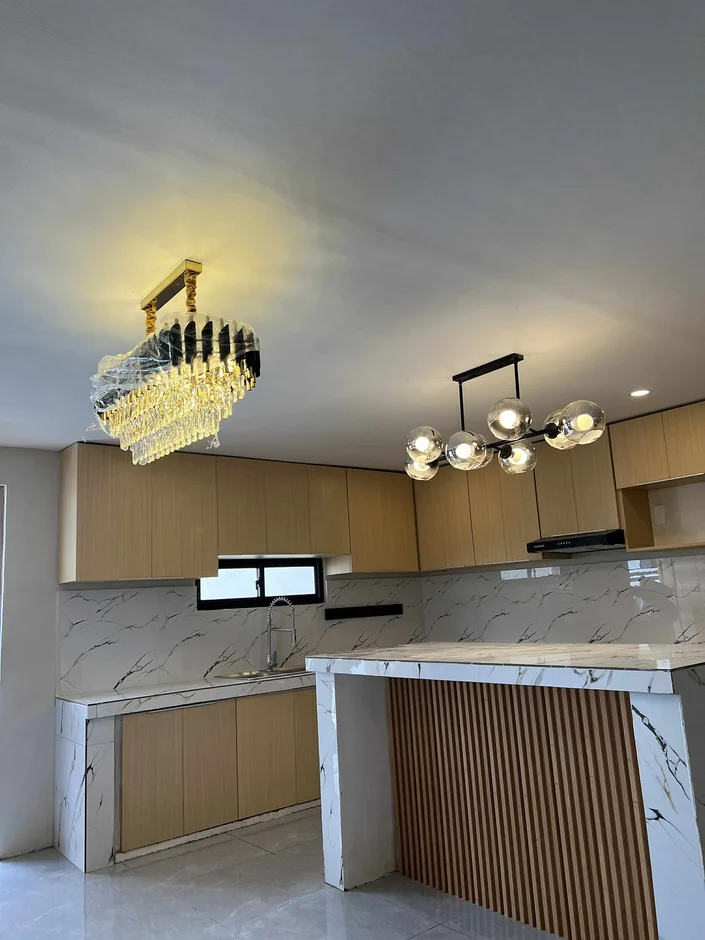
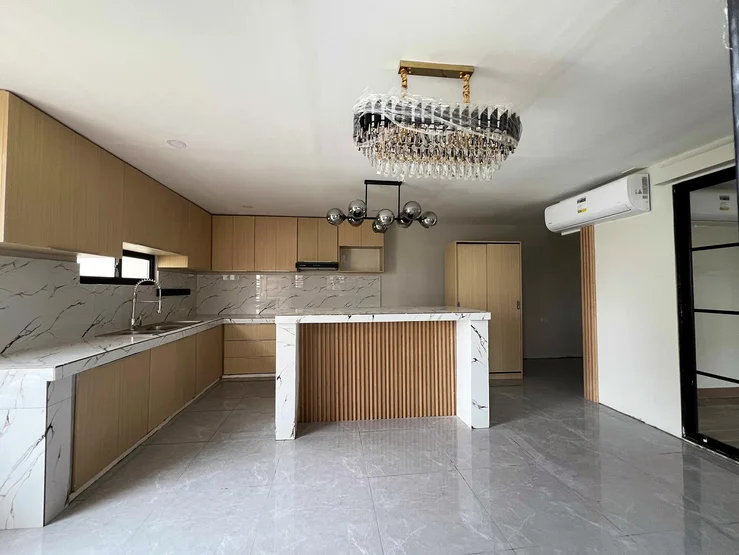
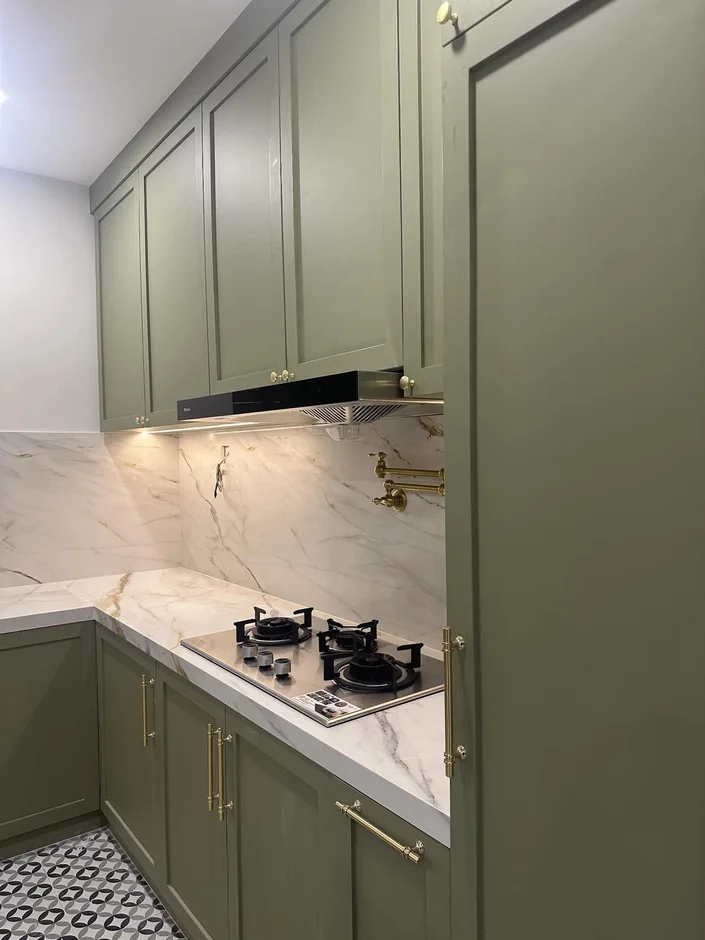
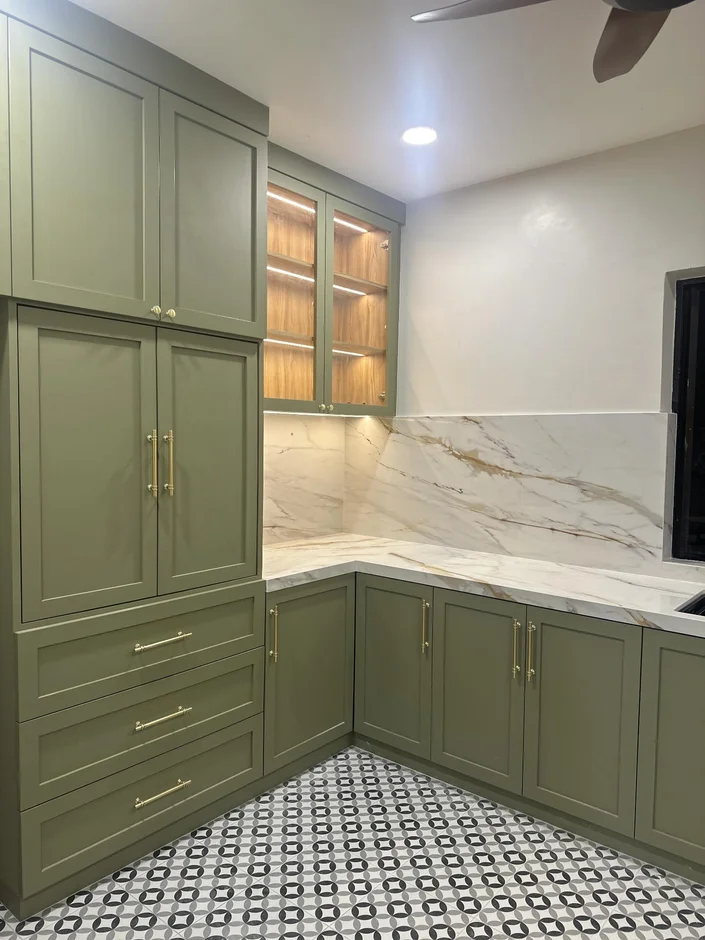
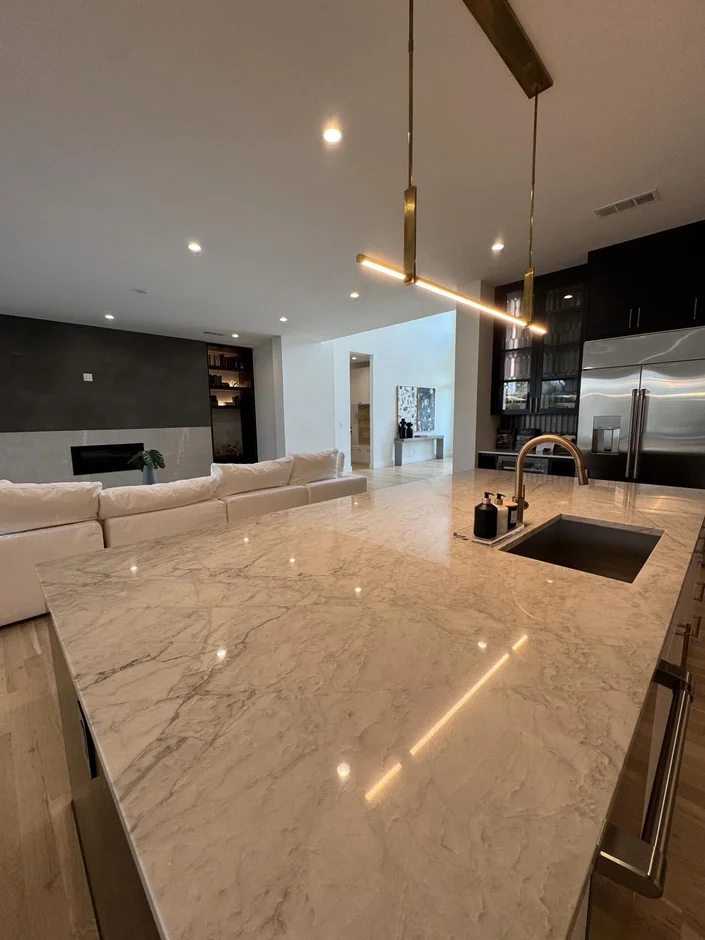
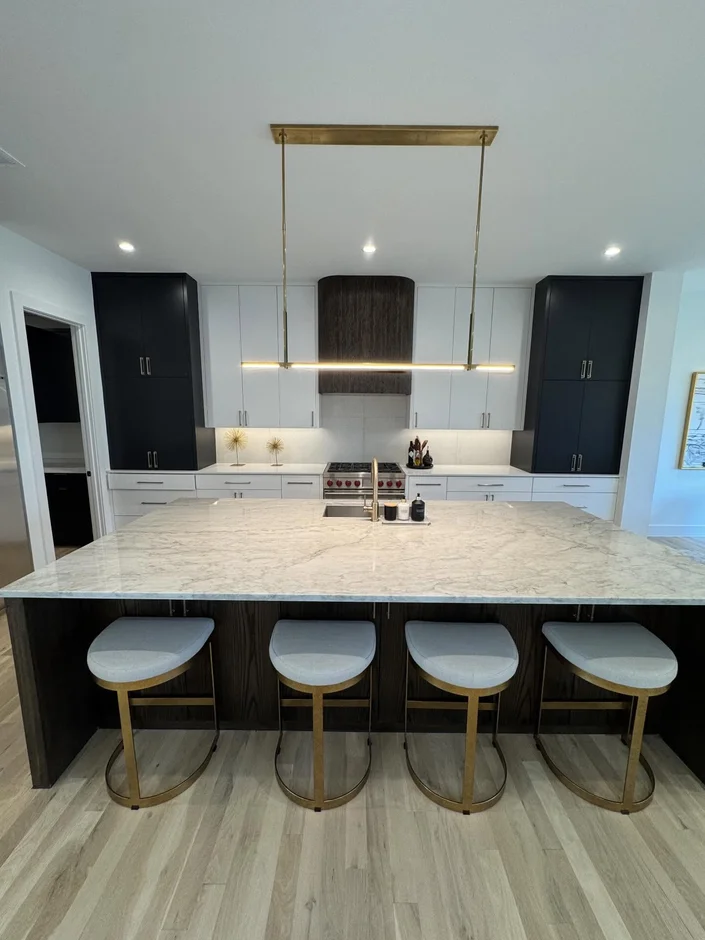
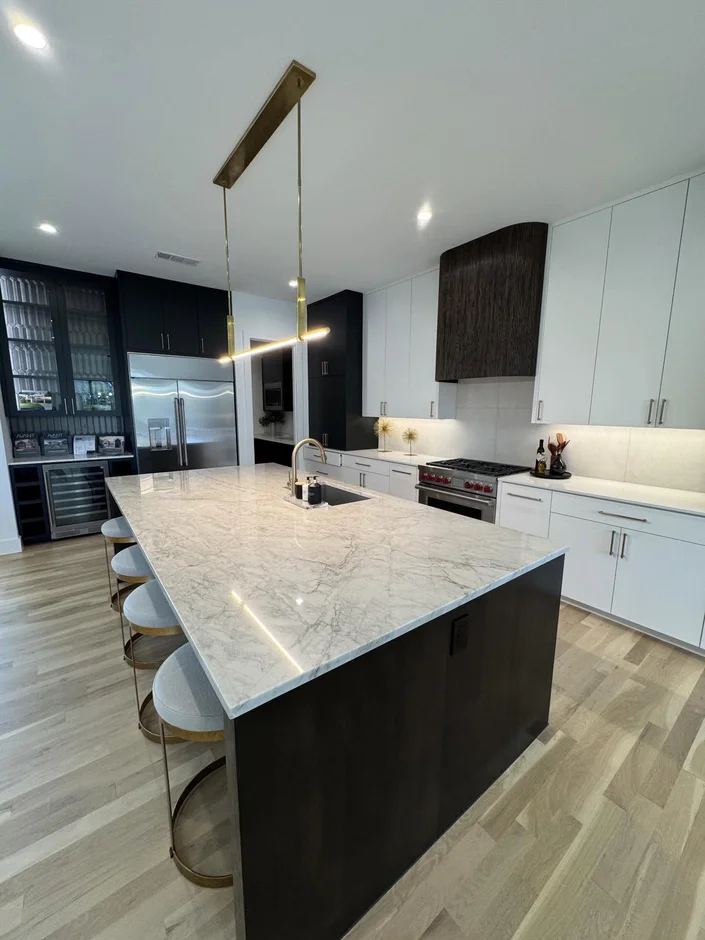
- Kitchen renovation with improved workflow and modern finishes
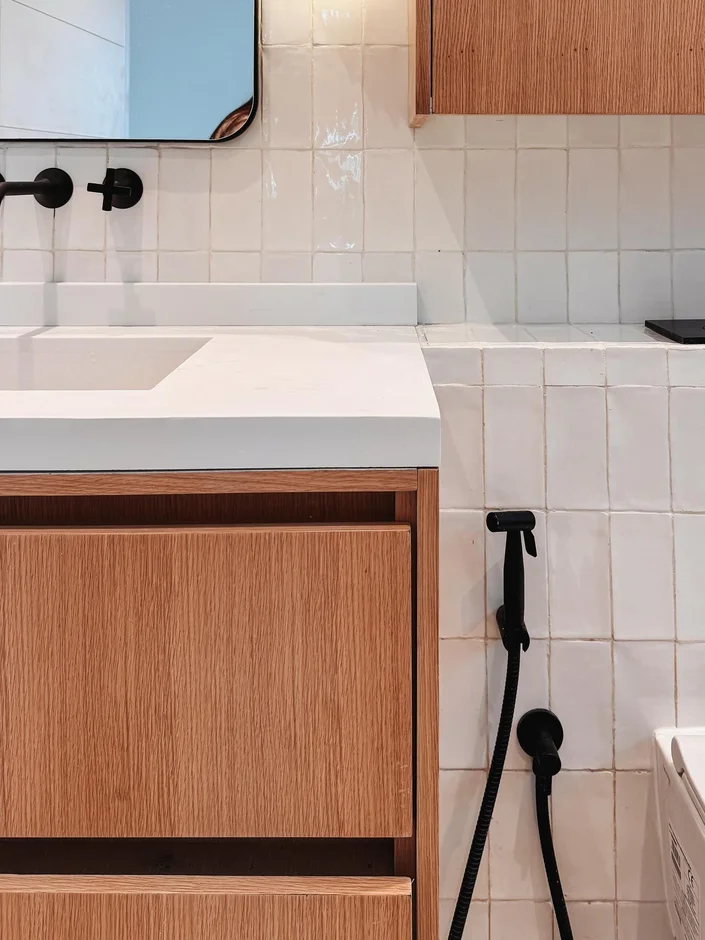
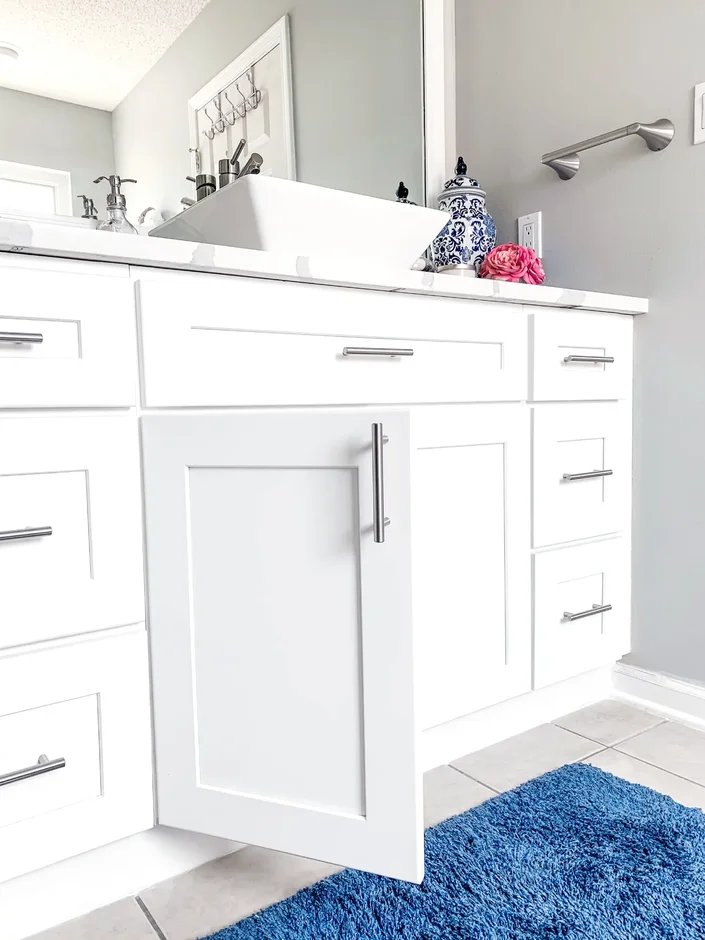
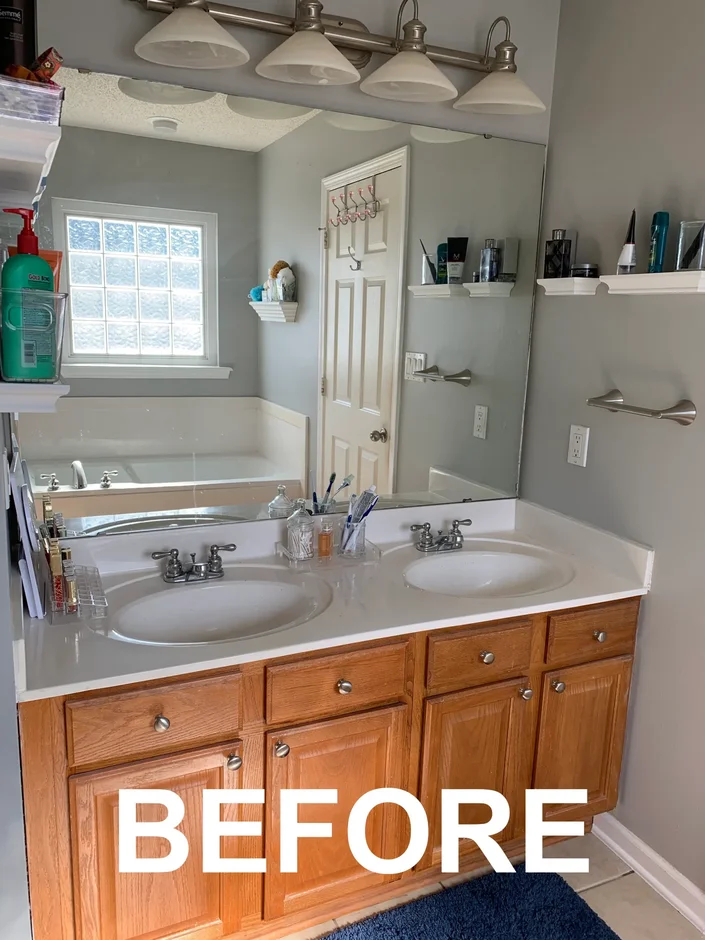
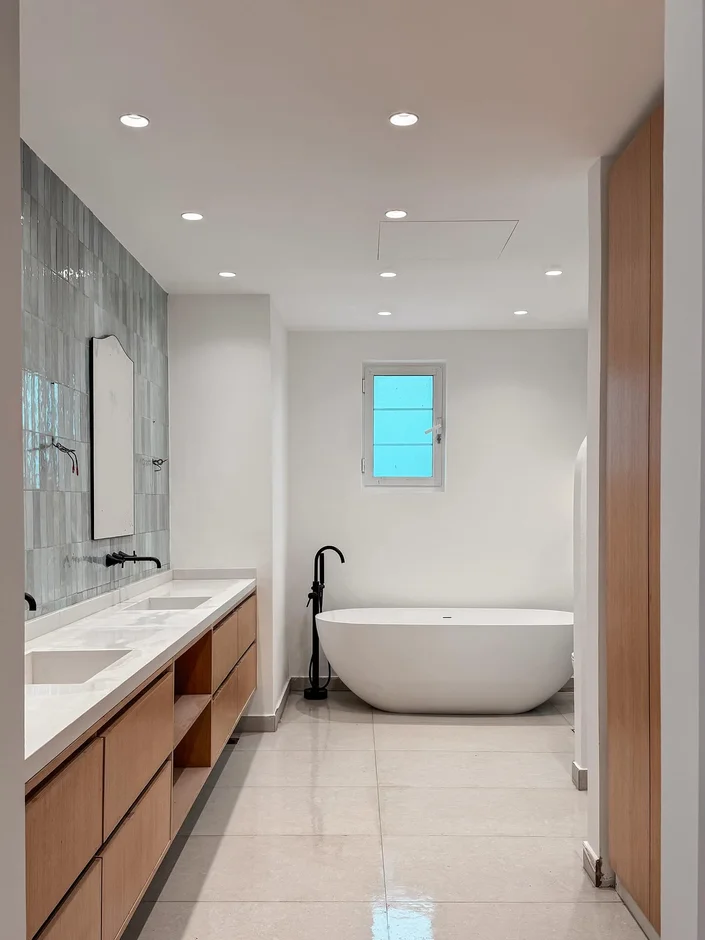
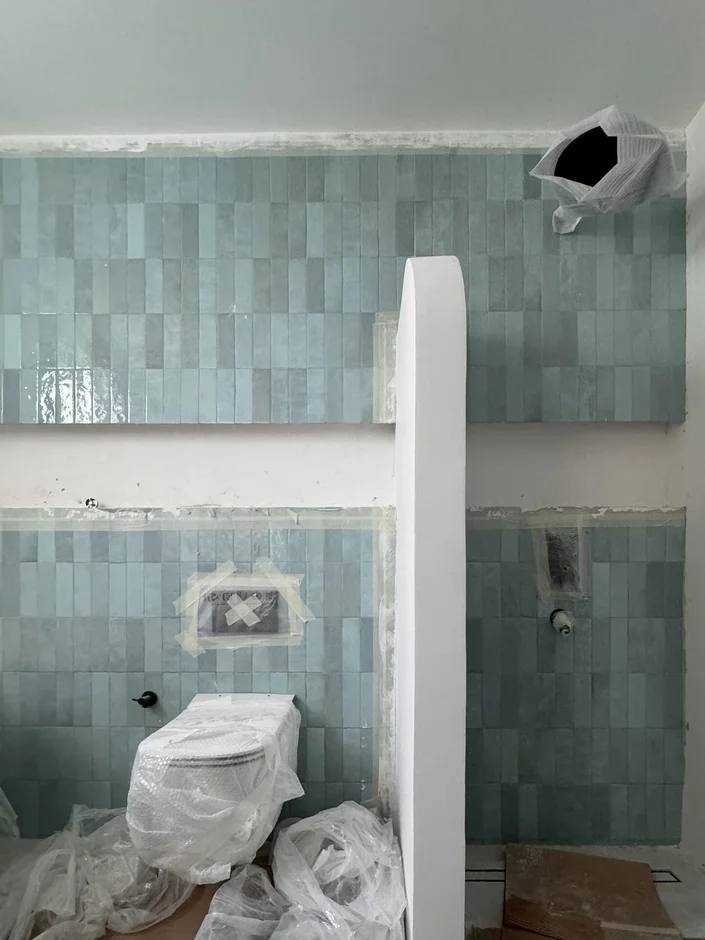
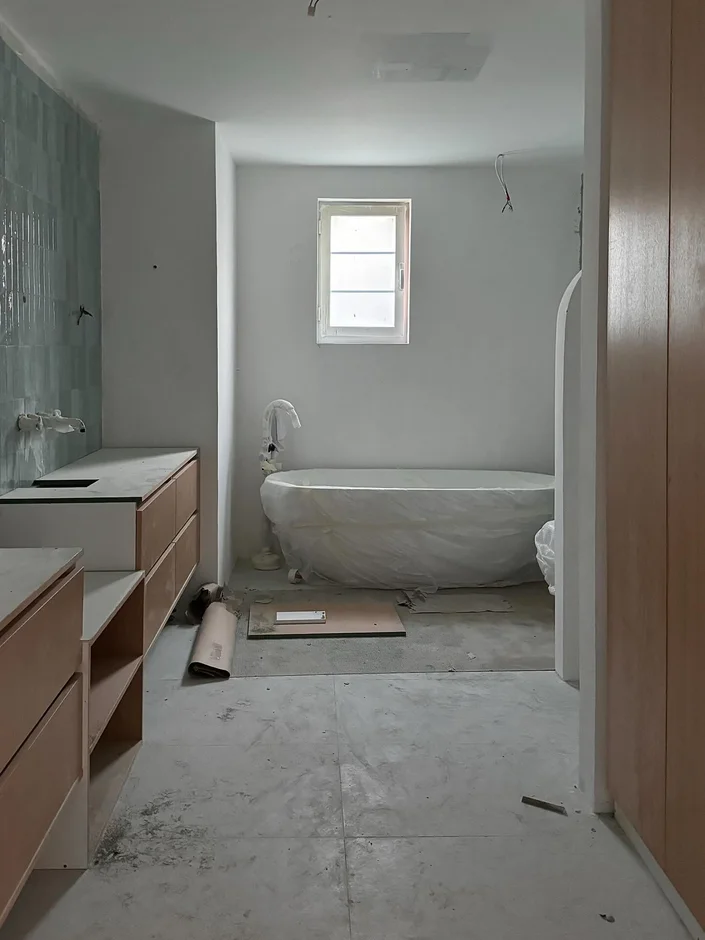
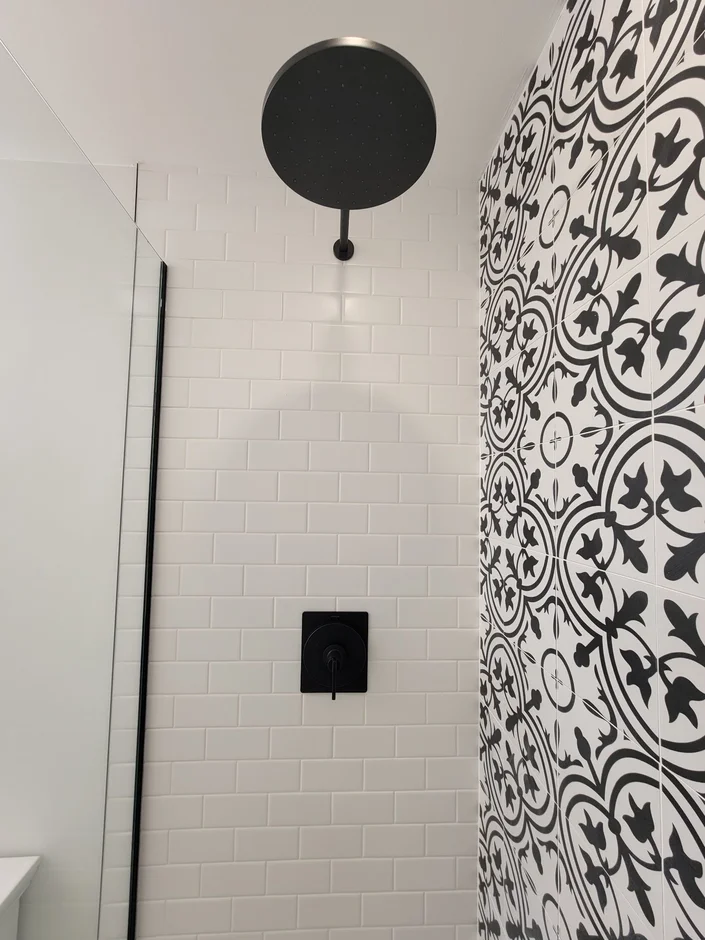
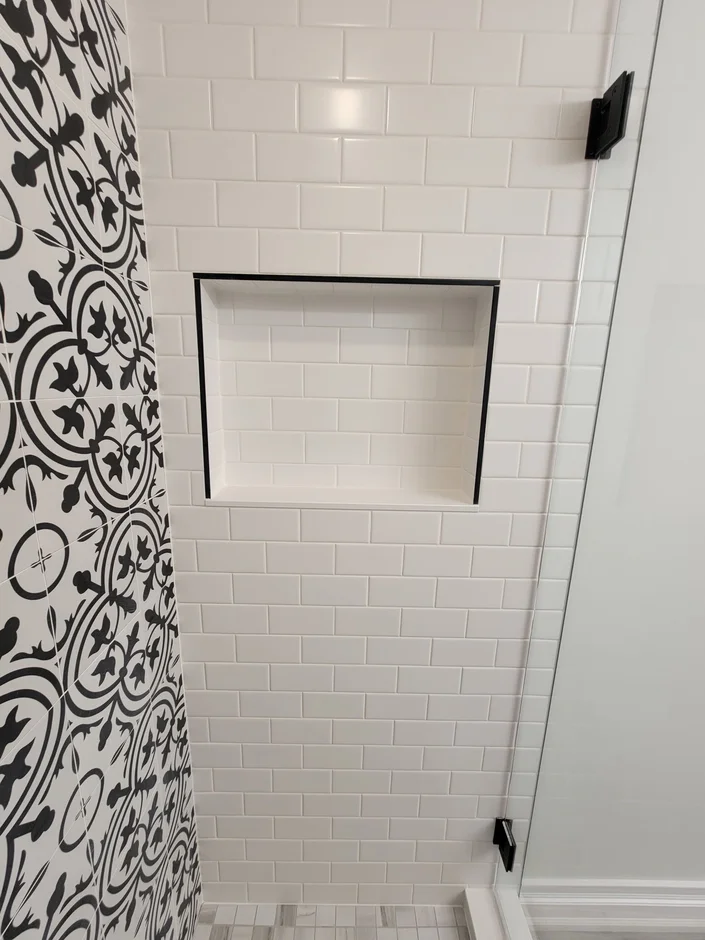
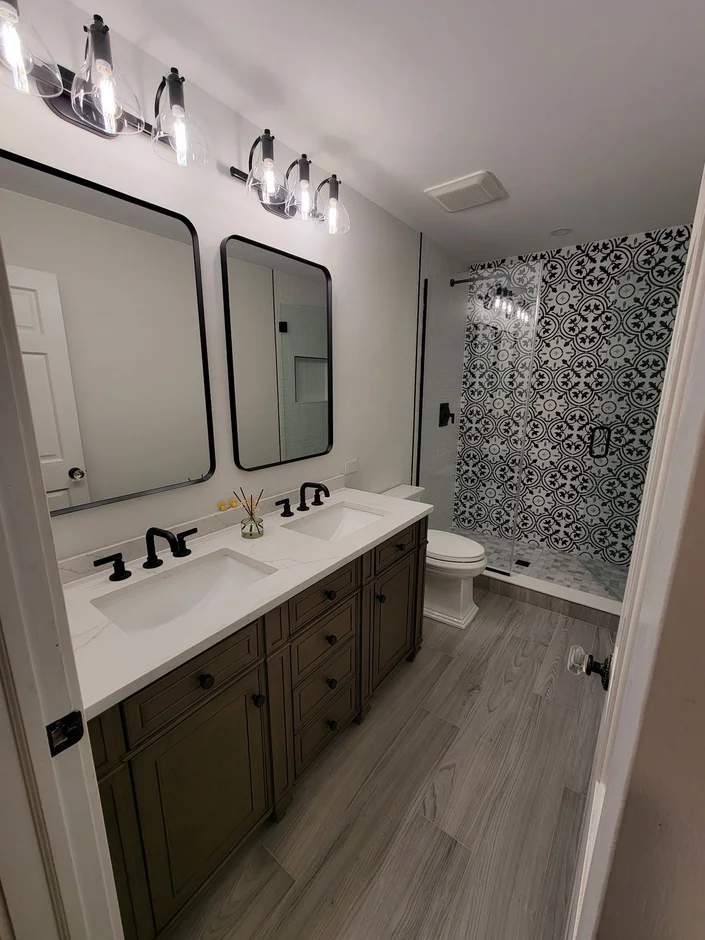
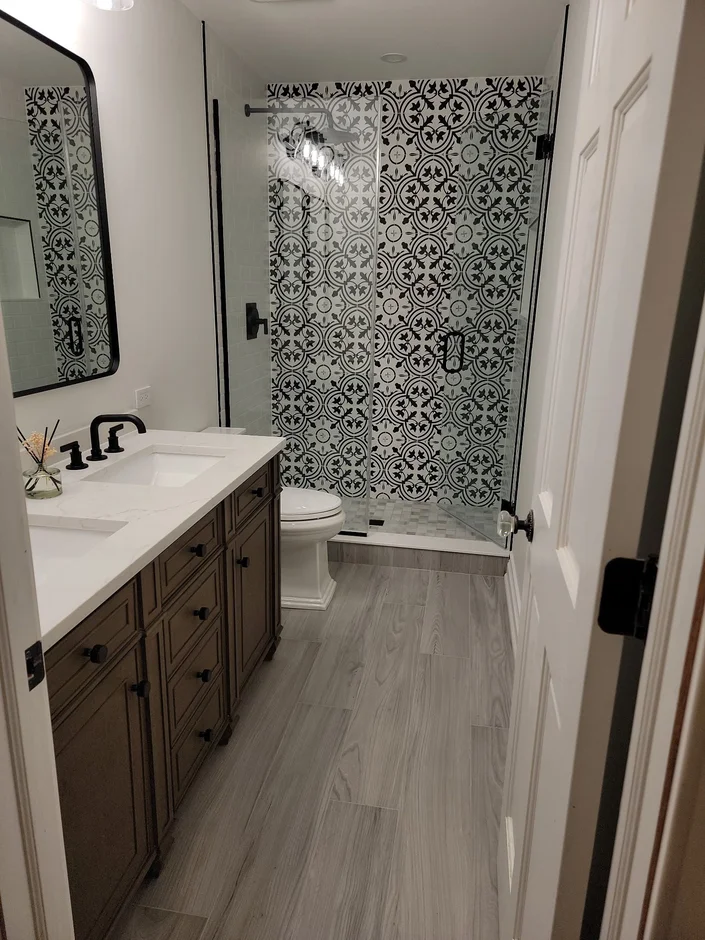
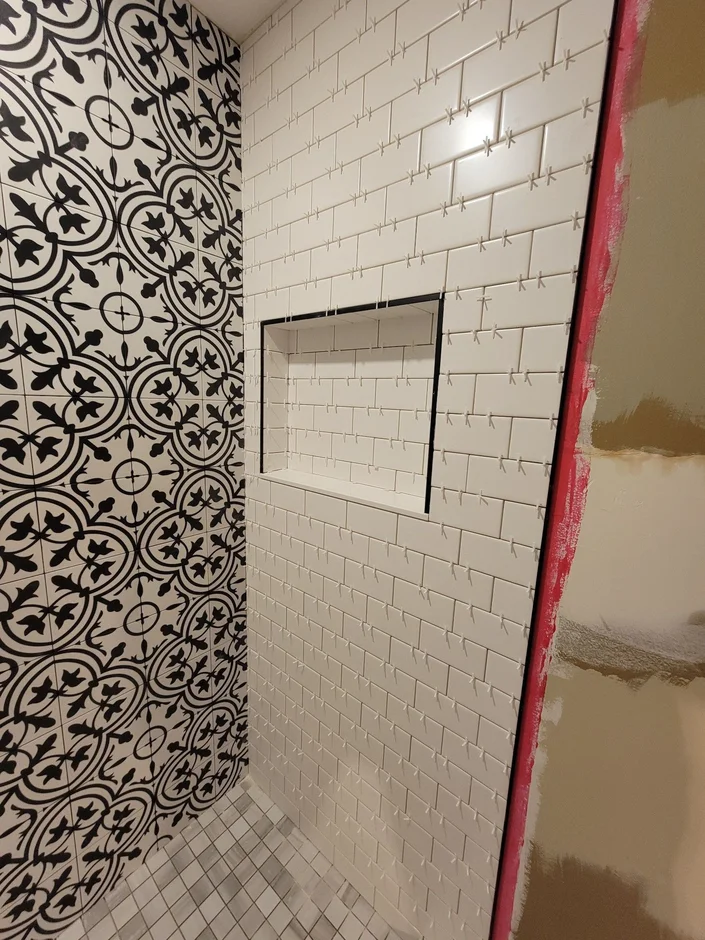
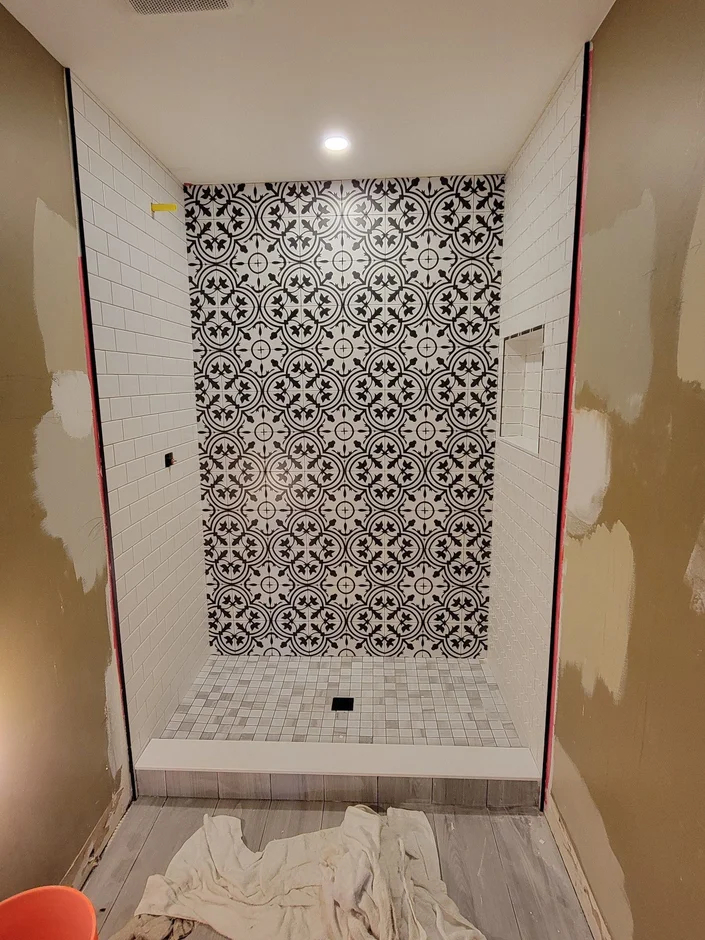
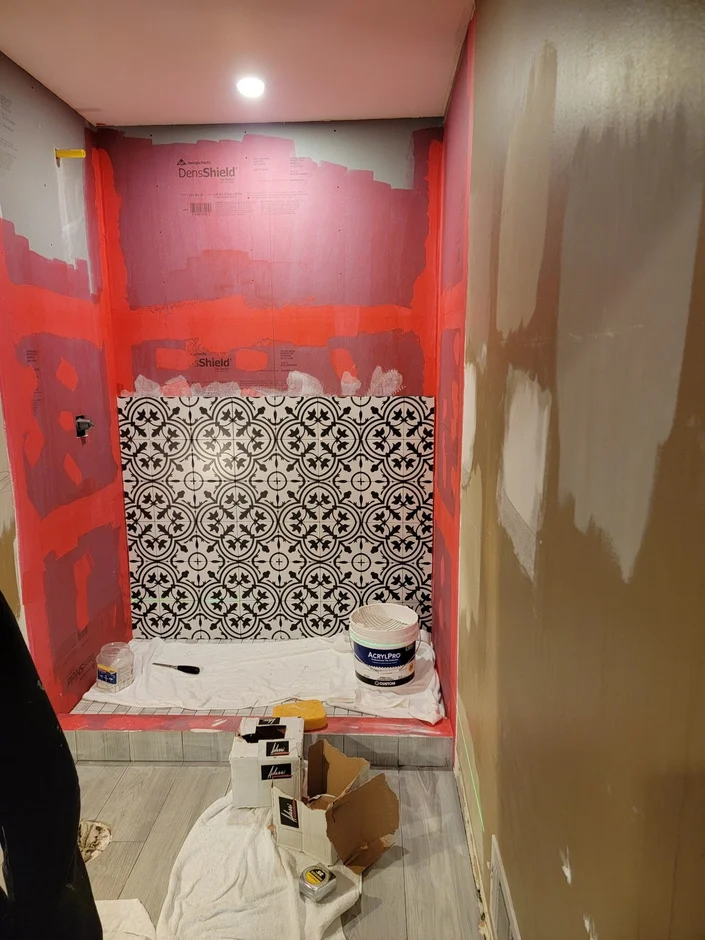
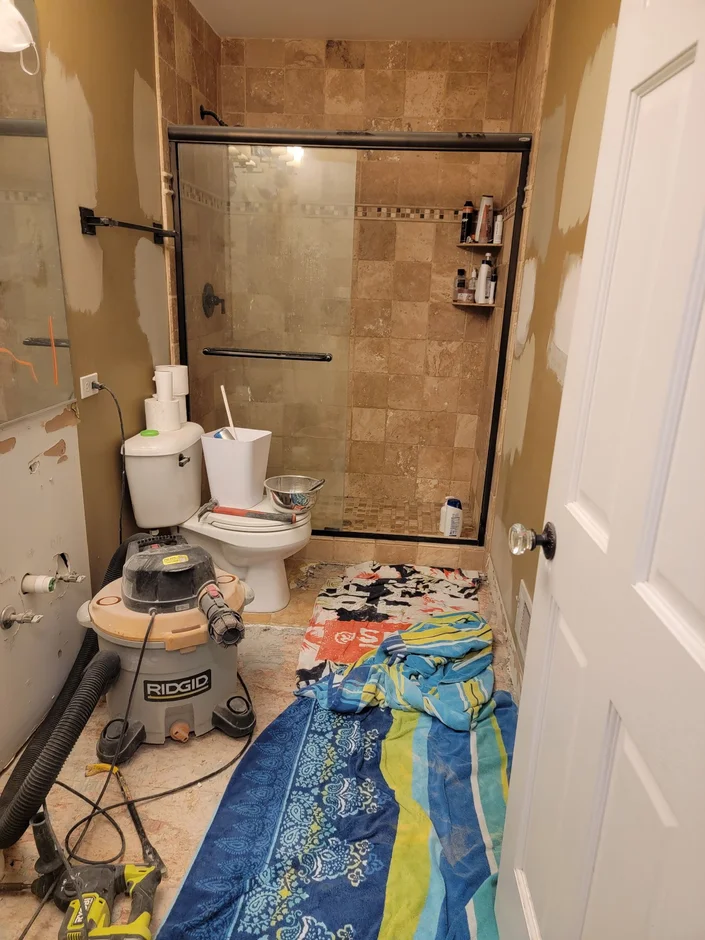
- Bathroom upgrades for comfort and durability
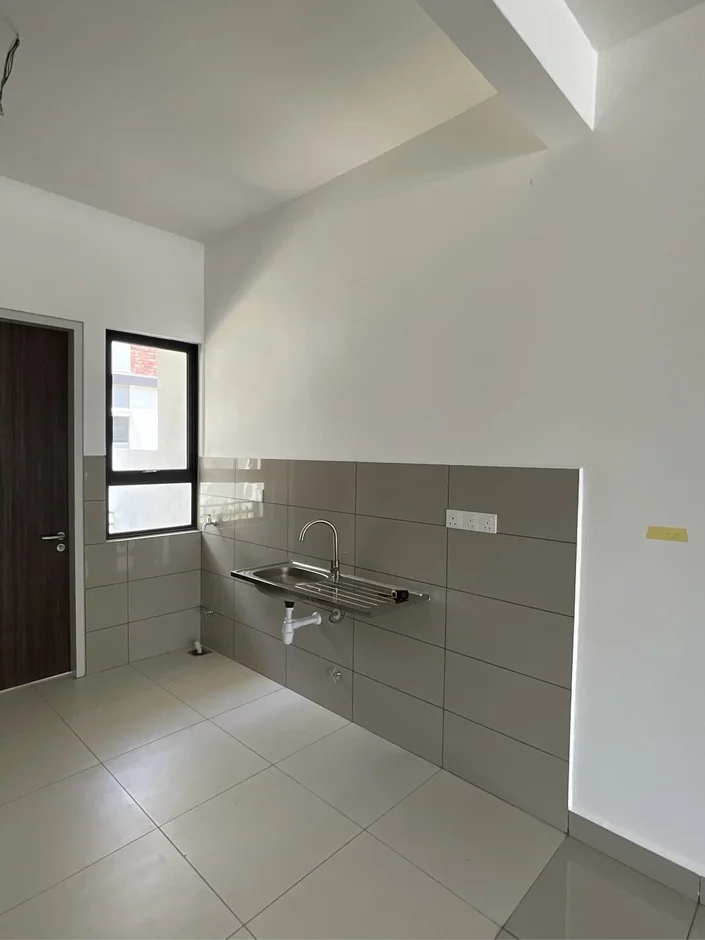
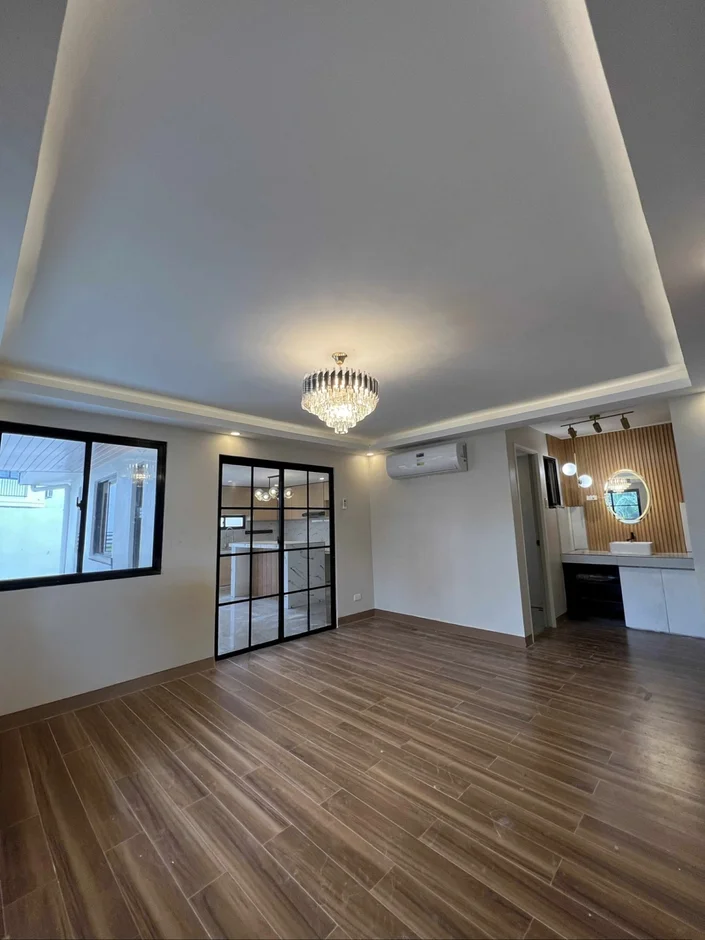
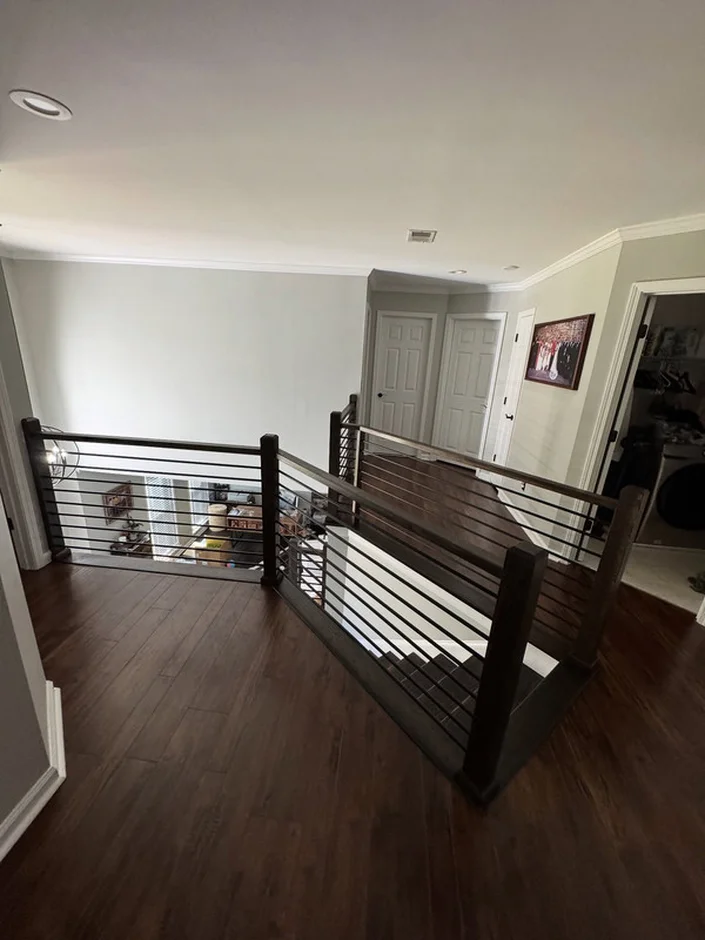
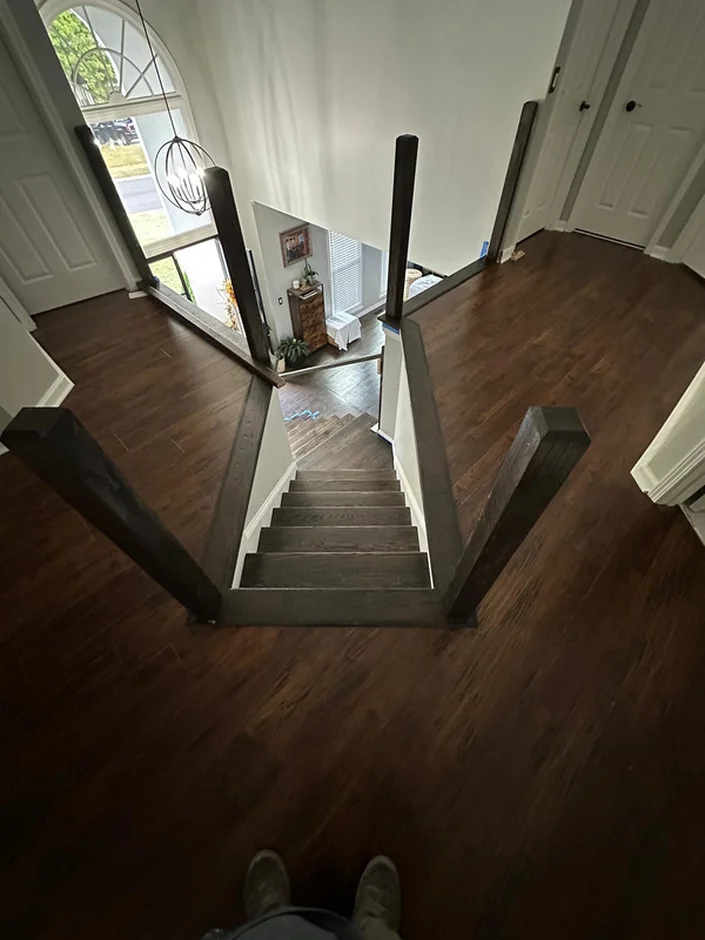
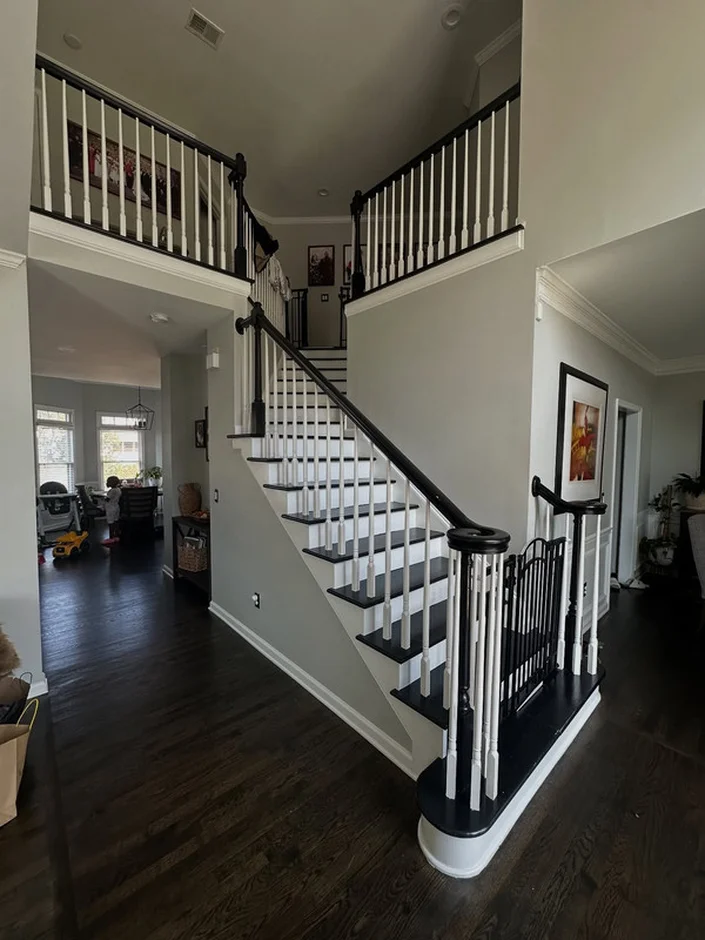
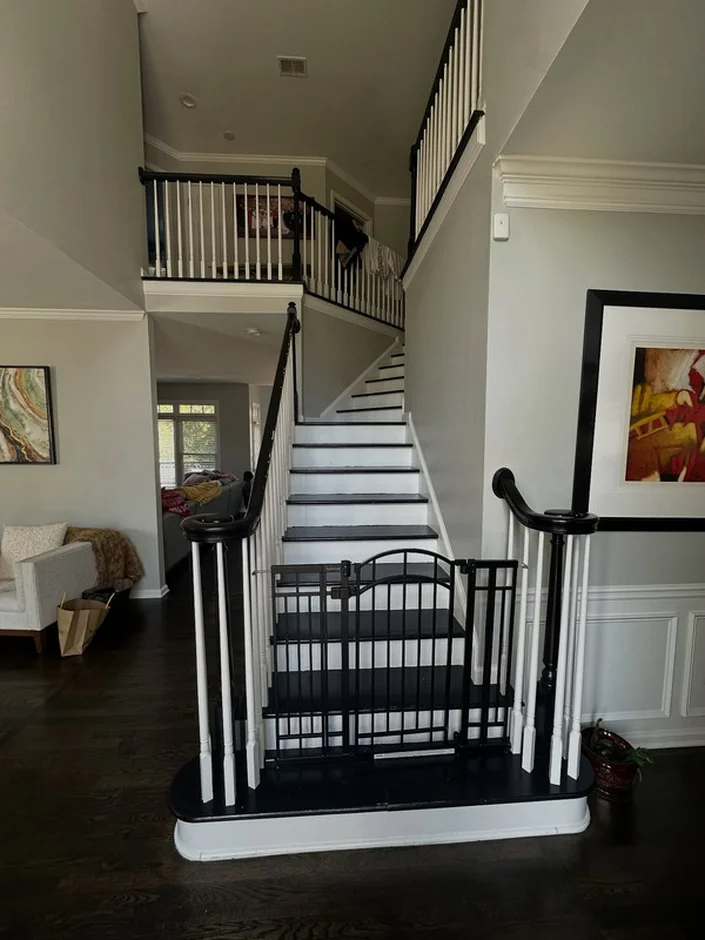
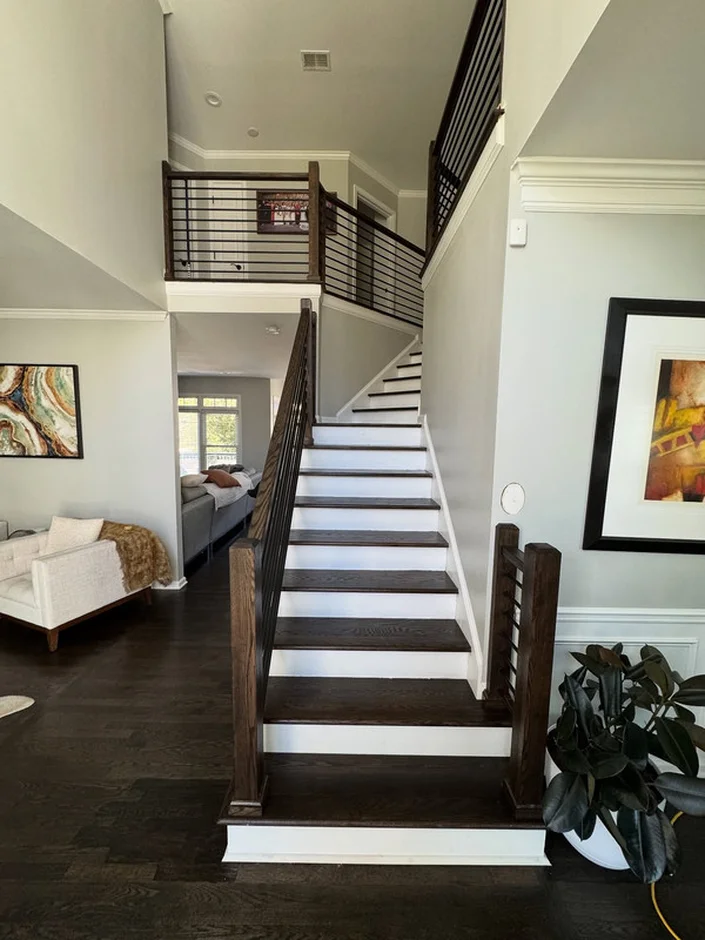
- Interior layout updates to improve flow and storage
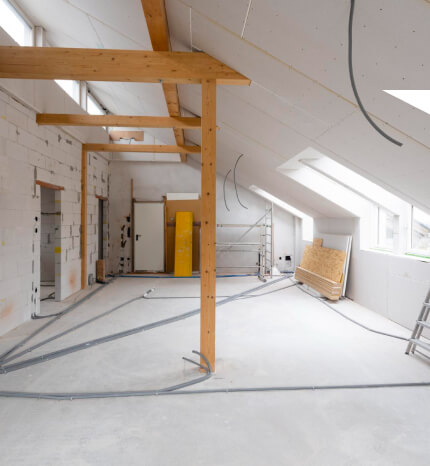
- Basement finishing or reconfiguration
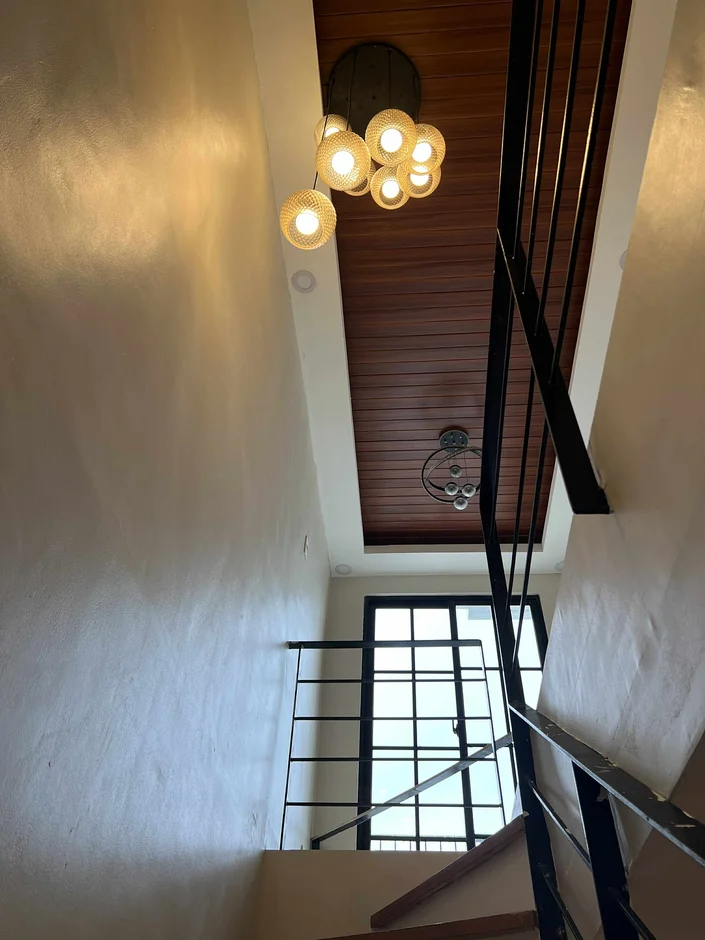
- Energy-efficient lighting and ventilation improvements
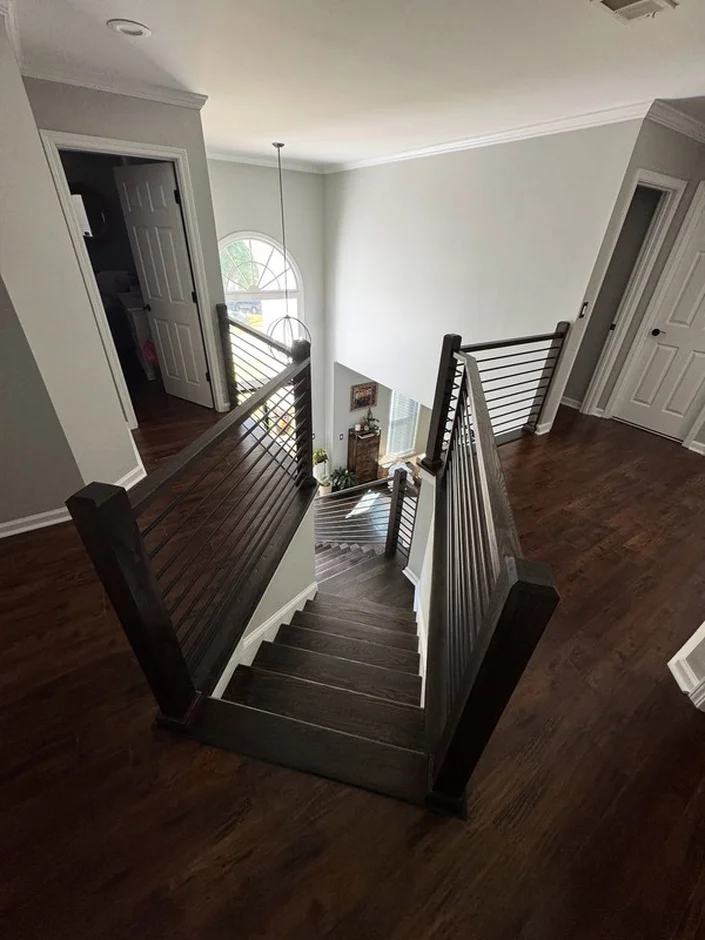
- Flooring replacement or refinishing
- Painting and surface updates
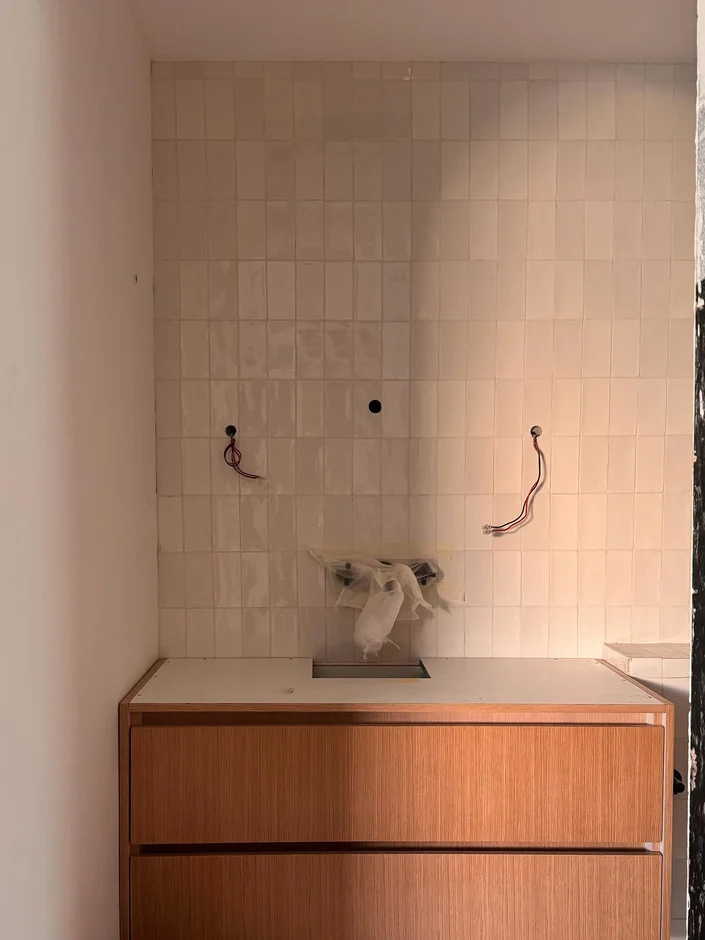
Homeowners frequently plan bathroom renovations and kitchen renovations together to modernize key spaces while coordinating work efficiently.
Online repair cost calculation in Quebec City
Factors That Affect Renovation Costs
The scope of work plays a major role in how a renovation is planned and executed. Cosmetic updates such as new finishes, fixtures, and paint are generally simpler, while deeper changes involving layout adjustments, structural elements, or mechanical systems require additional coordination. These projects often involve multiple trades working in a specific sequence.
In condo or shared-building environments, approvals and access requirements can affect efficiency. Scheduling elevator use, protecting common areas, managing waste removal, and working within permitted noise windows all influence daily progress. Even in detached homes, limited access or older construction can affect how work is staged.
Material availability and lead times are another consideration, particularly for custom cabinetry, specialty flooring, or specific fixtures. Energy-efficient upgrade choices may require coordination with existing systems. Canadian realities such as winter scheduling, uncovering older home repairs, and planning work in stages often shape how renovation timelines are structured.
Renovation Considerations for Quebec City Homes
Many Quebec City homes are located in older neighbourhoods where modernization needs to be handled thoughtfully. Renovations often involve improving insulation access, updating ventilation, and addressing aging electrical or plumbing systems while preserving the home’s character. Balancing these functional upgrades with aesthetic choices helps create spaces that feel both timeless and comfortable.
Changing lifestyles also influence renovation priorities. Growing families may need better space efficiency and storage, while remote work has increased demand for flexible, well-lit work areas. Durable materials and practical layouts help homes adapt to daily use and seasonal demands.
How We Approach Renovations in Quebec City
- Begin with a detailed conversation to understand goals, lifestyle needs, and site constraints
- Develop a clear design and plan with coordinated trades and realistic timelines
- Select materials that suit the Canadian climate and the specific building type
- Manage construction with attention to cleanliness, noise control, and neighbour considerations
- Complete a final walkthrough to review workmanship and address remaining adjustments
Frequently Asked Questions
How do condo or strata bylaws affect renovation projects?
Condo and strata bylaws often outline what types of work are permitted and how renovations must be approved. These rules can affect scheduling, noise management, and protection of common areas. Reviewing them early helps ensure the renovation plan aligns with building expectations.
Are there standard permitted work hours for renovations?
Permitted work hours are typically guided by municipal regulations and building policies. Louder work may be restricted to certain times. Planning quieter tasks outside those periods helps maintain progress.
What noise and access challenges are common in city renovations?
Shared walls, nearby neighbours, and limited access points can make noise and logistics more sensitive. Coordinating deliveries, managing waste, and protecting shared spaces are common considerations. Clear communication helps reduce disruption.
Is winter a practical time for interior renovations?
Interior renovations can be completed year-round, including during winter. Cold weather can affect deliveries and site protection, particularly at entrances. Allowing flexibility in scheduling helps manage weather-related challenges.
How do material delays impact renovation timelines?
Some materials have longer lead times, especially custom or specialty items. Selecting key materials early and confirming availability can reduce delays. When delays occur, sequencing work around available tasks helps keep projects moving.
What sustainability upgrades make sense for urban homes?
Practical sustainability upgrades often include energy-efficient lighting, improved ventilation, and targeted insulation improvements where accessible. Heating efficiency upgrades may also be considered depending on existing systems. The most effective upgrades align with daily use.
Can homeowners live in the home during a renovation?
In many cases, homeowners can remain in the home during certain renovations. Noise, dust, and temporary loss of key spaces can be disruptive, so careful planning is important. Phased work and clear boundaries help reduce inconvenience.
What insurance and safety considerations should homeowners keep in mind?
It’s important to confirm appropriate insurance coverage and ensure safe work practices are followed. In shared buildings, additional requirements for site protection and debris handling may apply. Clear documentation supports safety for everyone involved.
Final Call To Action
If you’re planning a renovation in Quebec City and want an approach that balances comfort, function, and long-term value, professional guidance can help. Call Phone or reach out using your preferred contact method to discuss a renovation plan that reflects the realities of renovating in a large Canadian city.


 Online

















 10+ days