Vancouver homeowners often look for renovations that are carefully planned, considerate of neighbours, and built around daily Canadian living. If you want guidance on scope, sequencing, or feasibility, you can call Phone to talk through your goals and constraints.
Renovation priorities in a large Canadian city tend to be shaped as much by logistics as by design. In Vancouver, you may be updating a character home on a tight lot, refreshing a townhome with shared walls, or improving a condo where building rules affect everything from delivery times to dust control. That variety means the right renovation plan is usually one that respects the building type first, then layers in comfort, function, and finishes.
Many homeowners here are balancing older construction with modern expectations. Older homes can come with uneven floors, legacy wiring and plumbing, or insulation that no longer meets today’s comfort standards, while newer builds may need better storage, improved sound control, or more durable surfaces for busy households. Condo and high-rise living also brings its own realities, including elevator bookings, protected common areas, and clear communication with property management so work proceeds smoothly.
In dense urban settings, scheduling and communication become renovation essentials. Trades need coordinated access, deliveries may require careful timing, and disposal has to be planned so waste does not disrupt neighbours. Noise bylaws and strata approvals can influence when louder work happens, and downtown deliveries may be limited by loading zones or traffic, making thoughtful planning essential.
Eco-friendly and energy-efficient upgrades are also top of mind for many Vancouver households. Heat pumps, improved insulation, LED lighting, and upgraded ventilation can help improve comfort and indoor air quality. In smaller urban homes, interior design choices such as built-in storage, clean sightlines, and flexible layouts can make spaces feel more open and functional without increasing square footage.
What Renovation Planning Looks Like in a Large Canadian City
Project planning in Vancouver often starts with practical constraints such as building type, access points, and delivery logistics. Busy streets, limited parking, and shared entrances can affect how materials are delivered and staged. Anticipating these factors early helps keep the project organized and minimizes disruption.
Renovation planning also involves balancing layout improvements with performance upgrades. Many homeowners want multifunctional spaces that can support home offices, family life, and entertaining. Pairing these layout changes with energy improvements such as efficient lighting and ventilation helps ensure comfort gains last over time.
Condos and strata buildings are a significant part of Vancouver’s housing mix. Renovations in these settings typically require approvals, adherence to bylaws, permitted work hours, and quiet construction practices. These factors can shape timelines and sequencing, making early coordination especially important.
Renovation Services Available in Vancouver
In large metropolitan areas, residential renovations often focus on interior upgrades that improve usability, comfort, and durability.
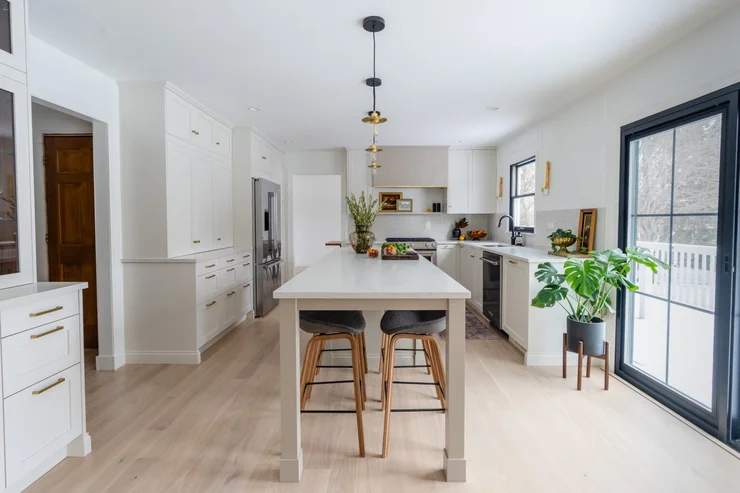
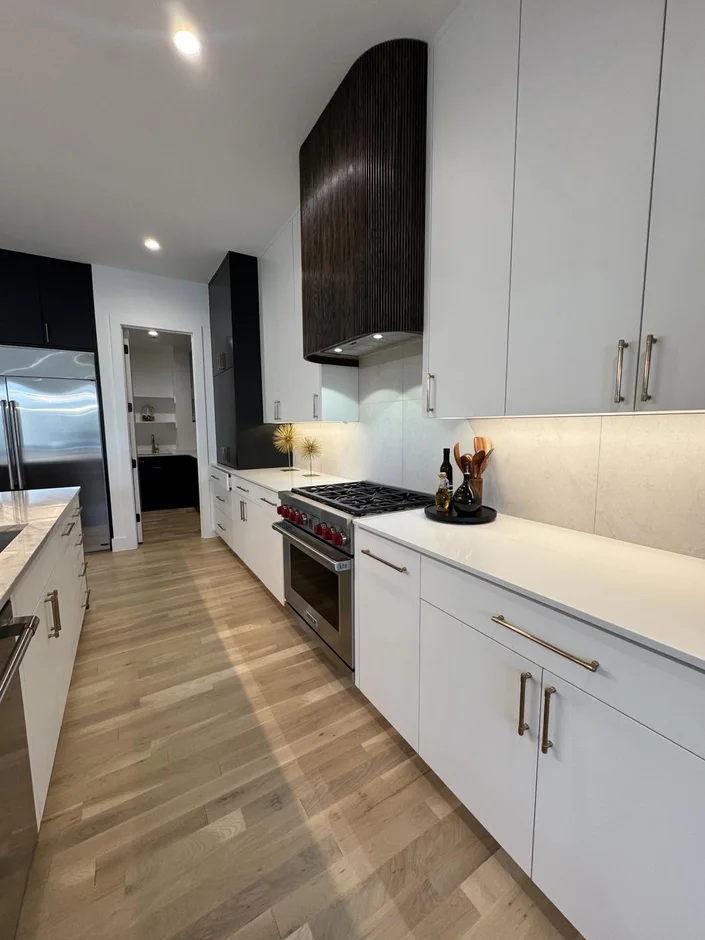
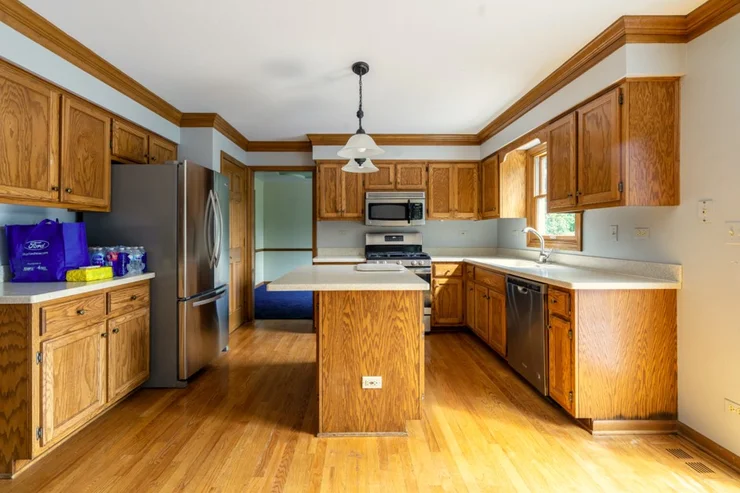
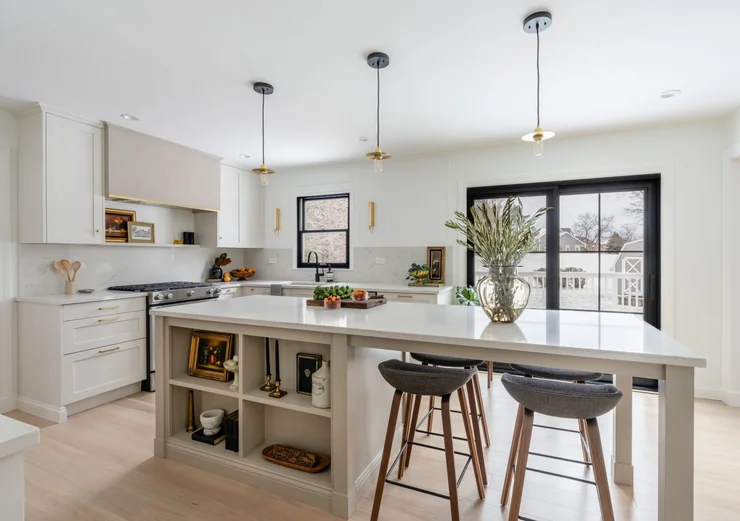
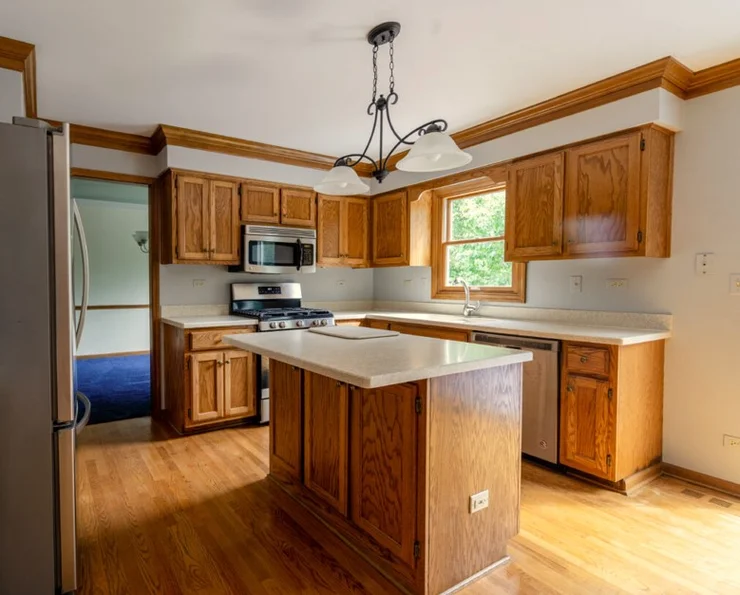
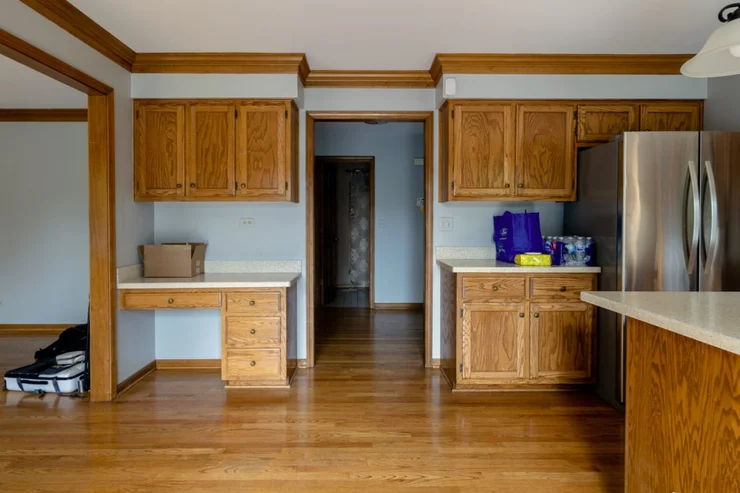
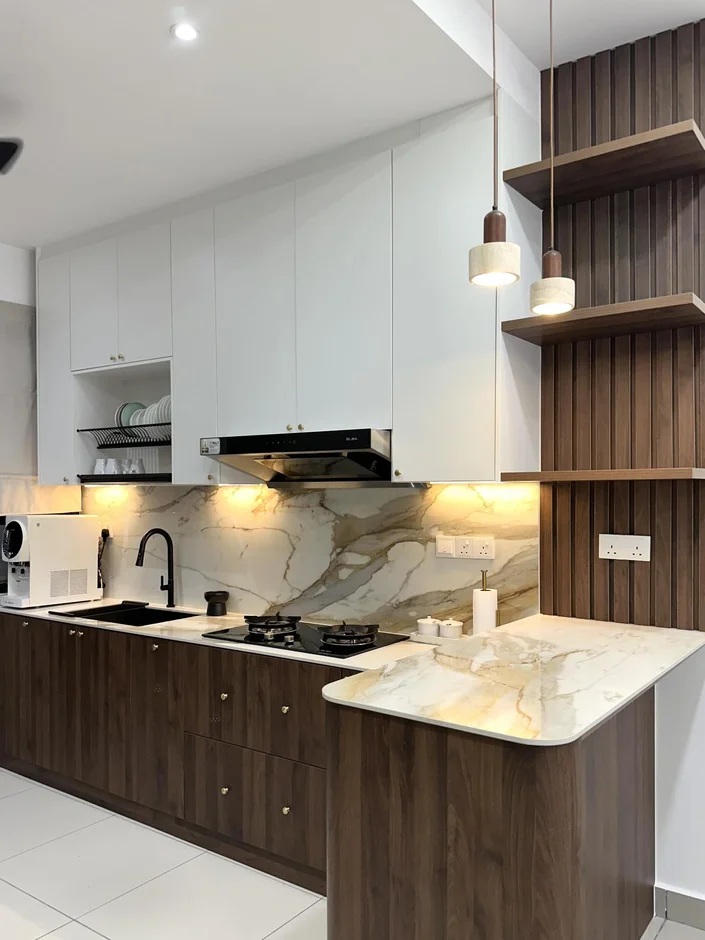
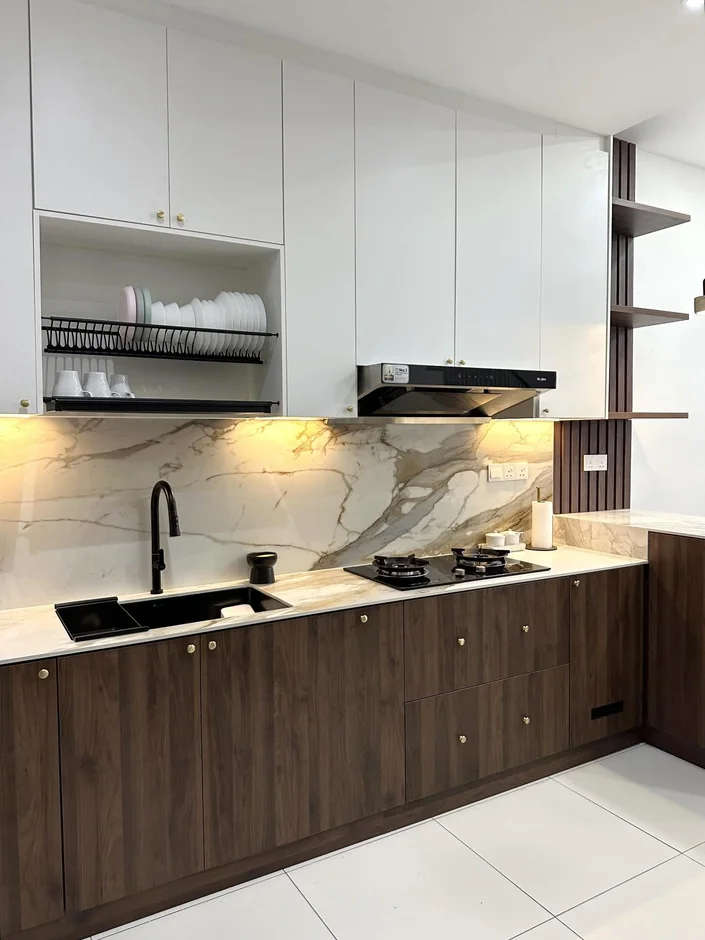
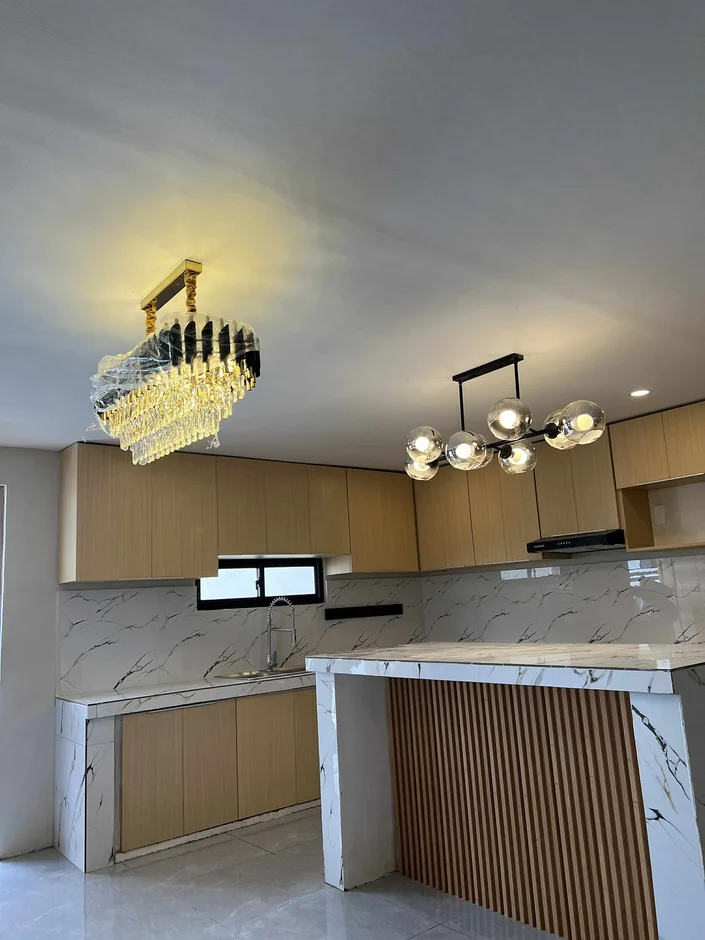
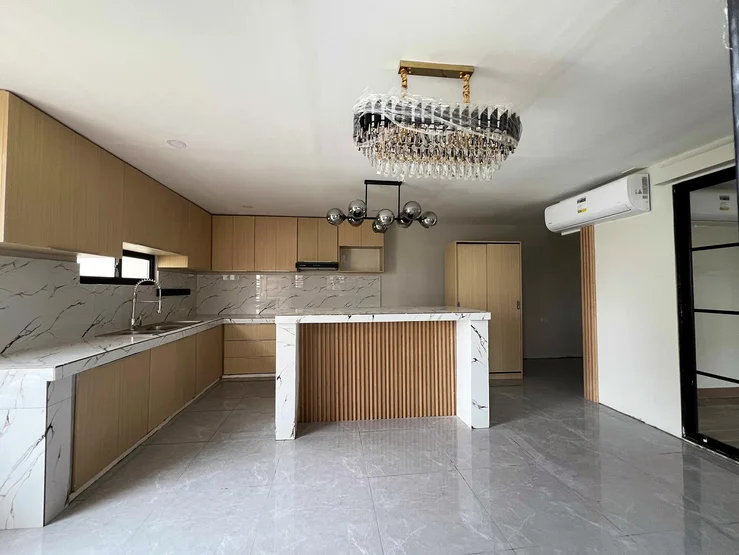
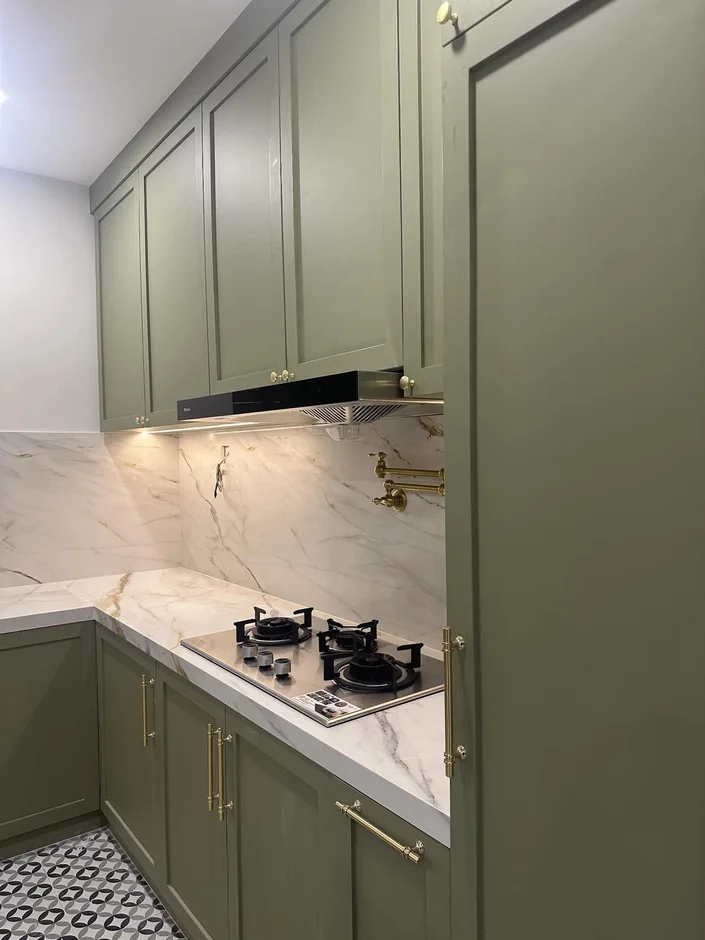
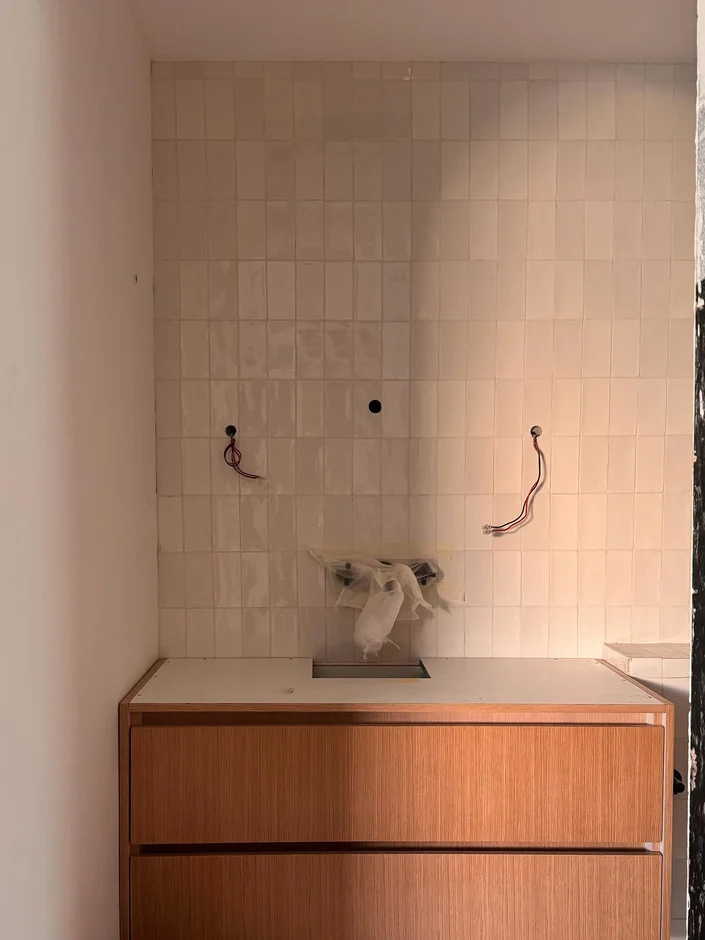
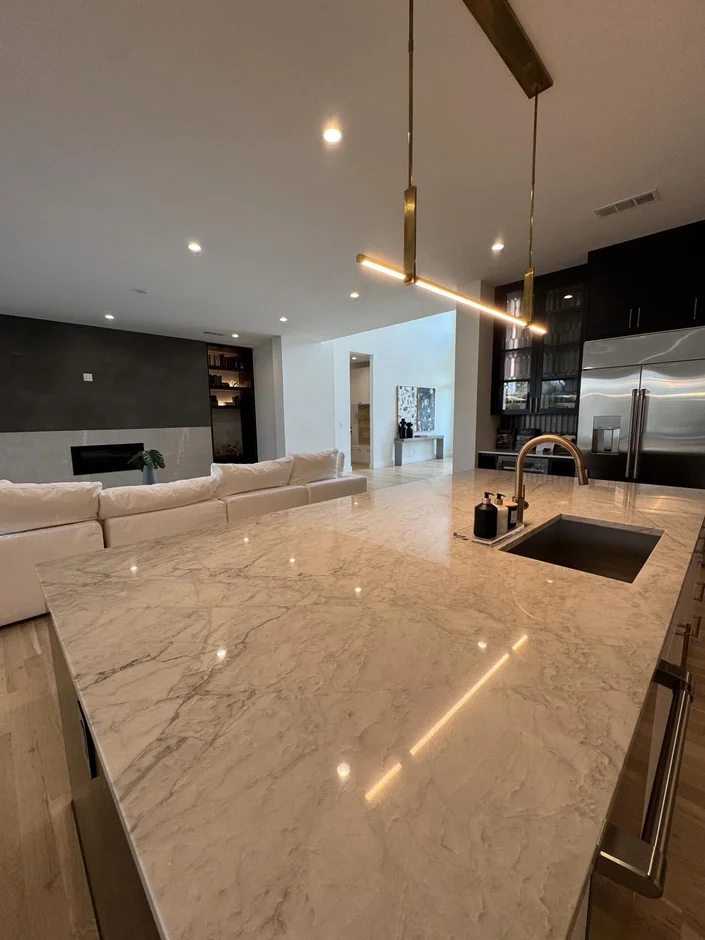
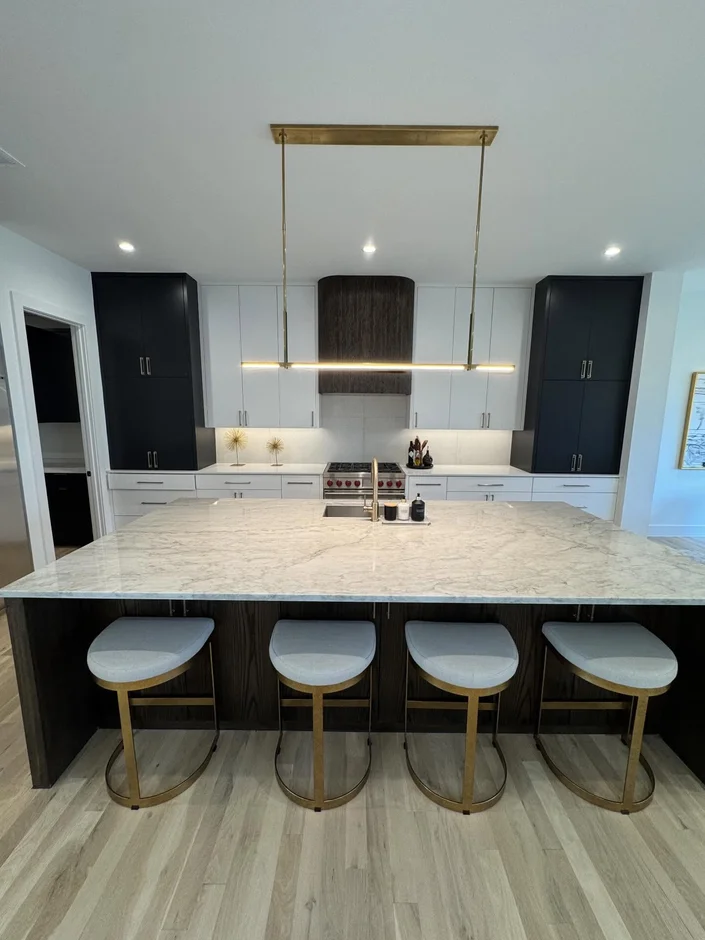
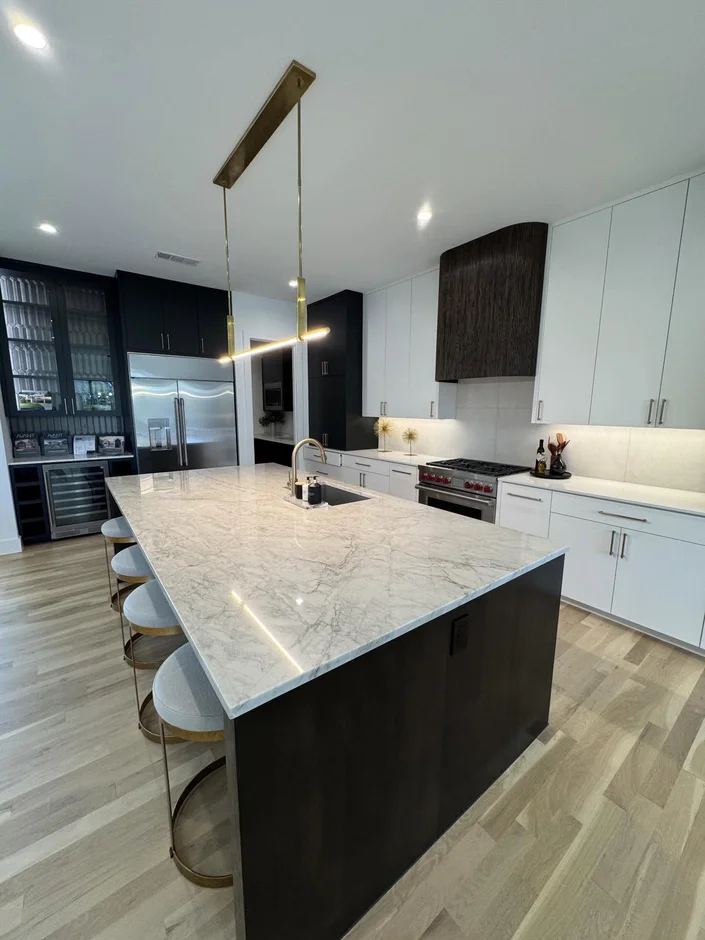
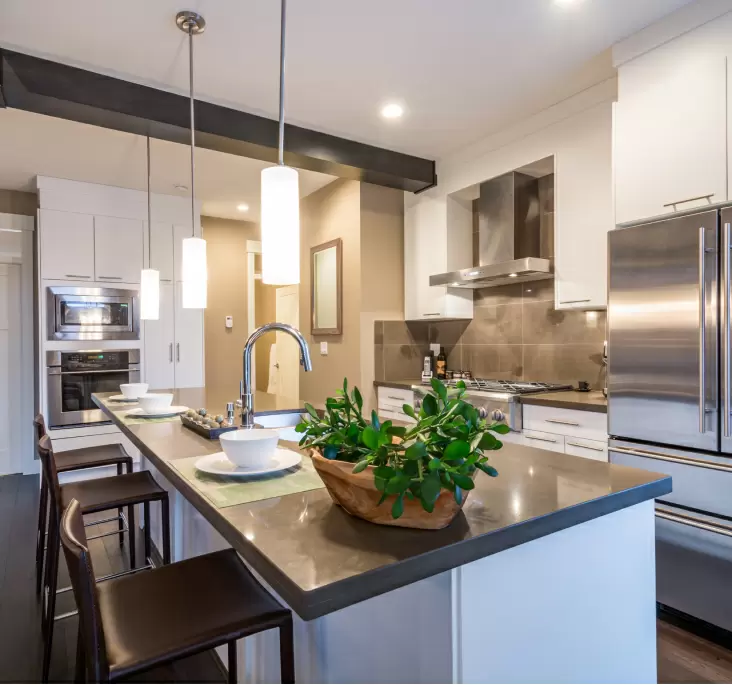
- Kitchen renovation with improved workflow and modern finishes
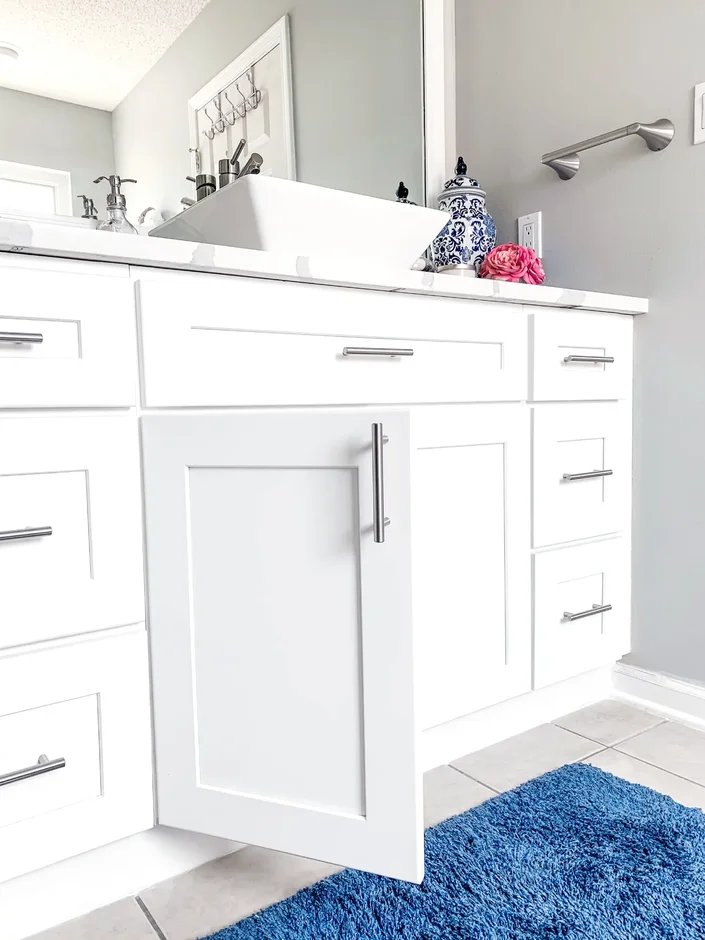
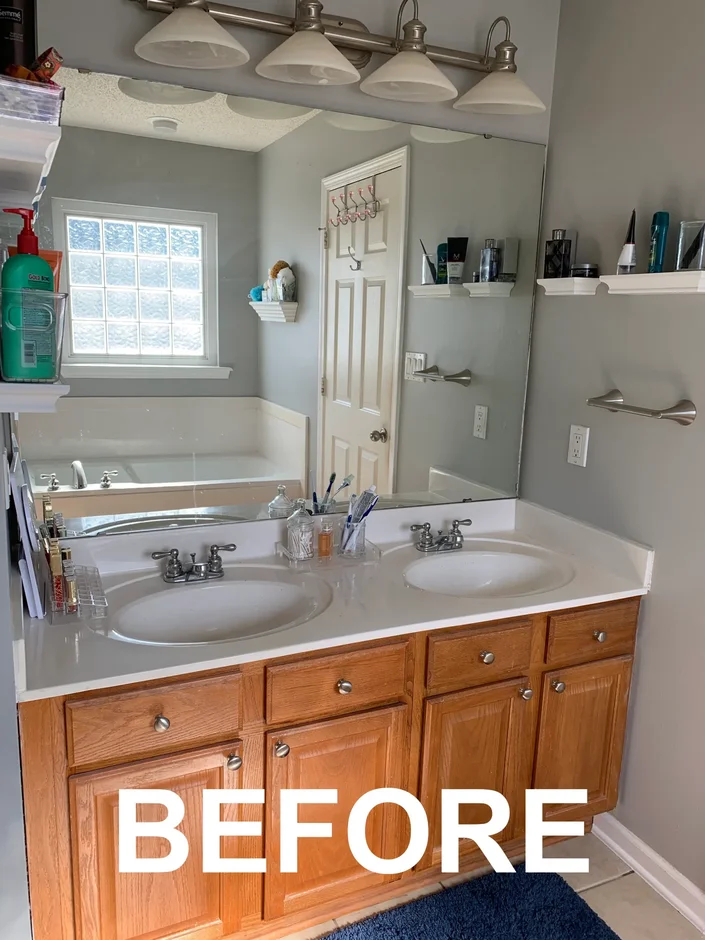
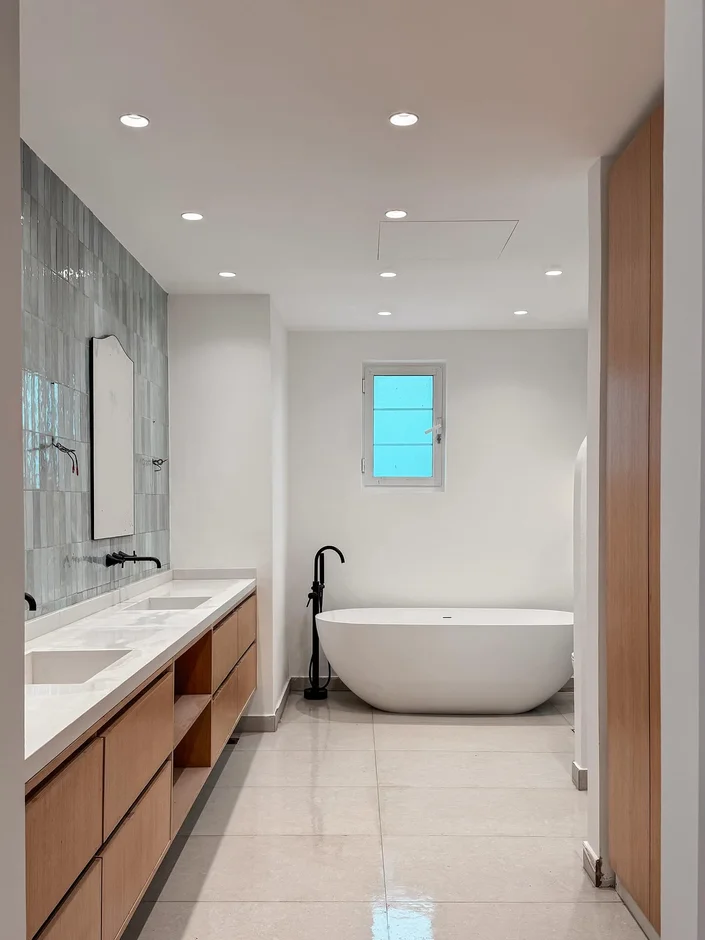
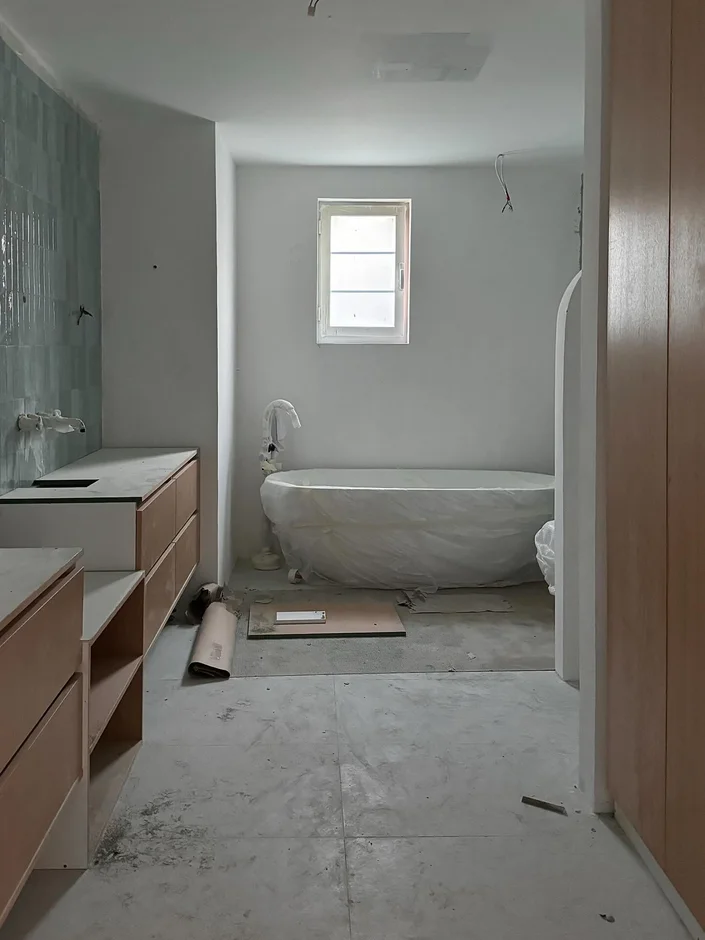
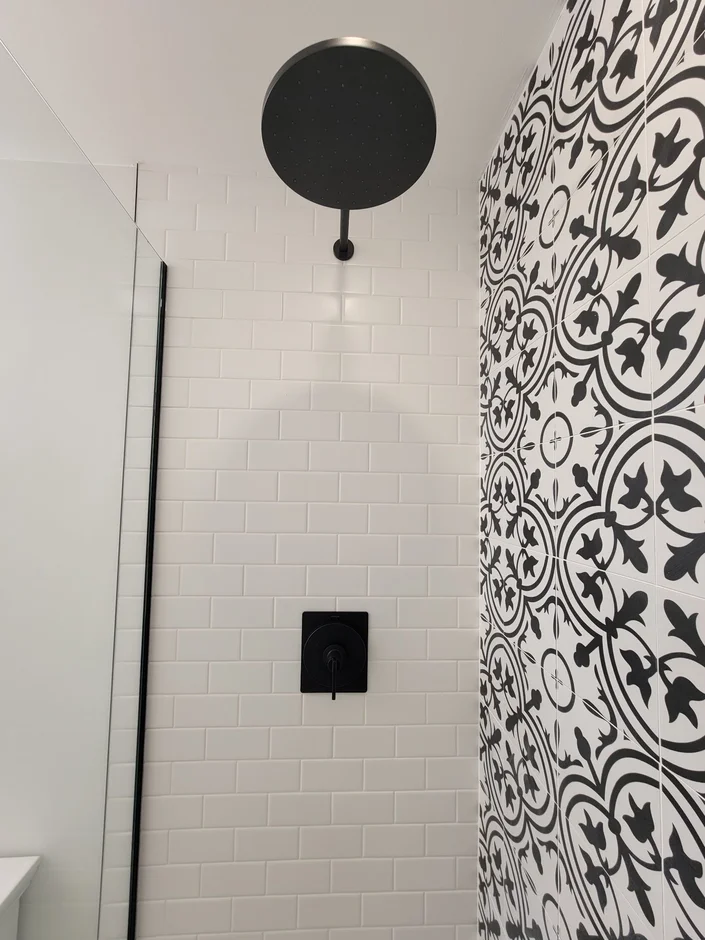
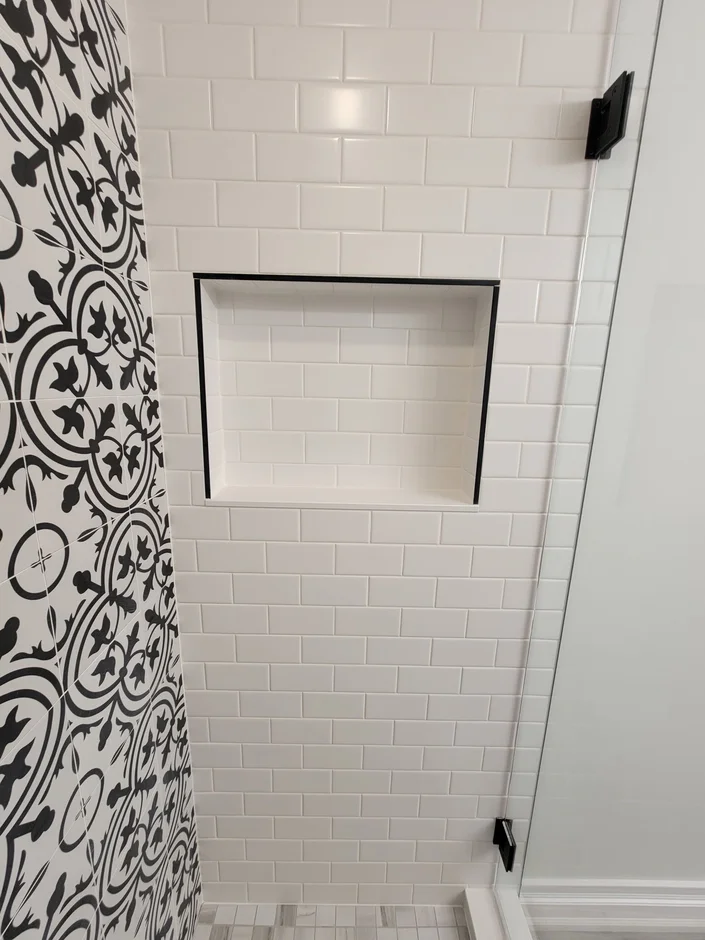
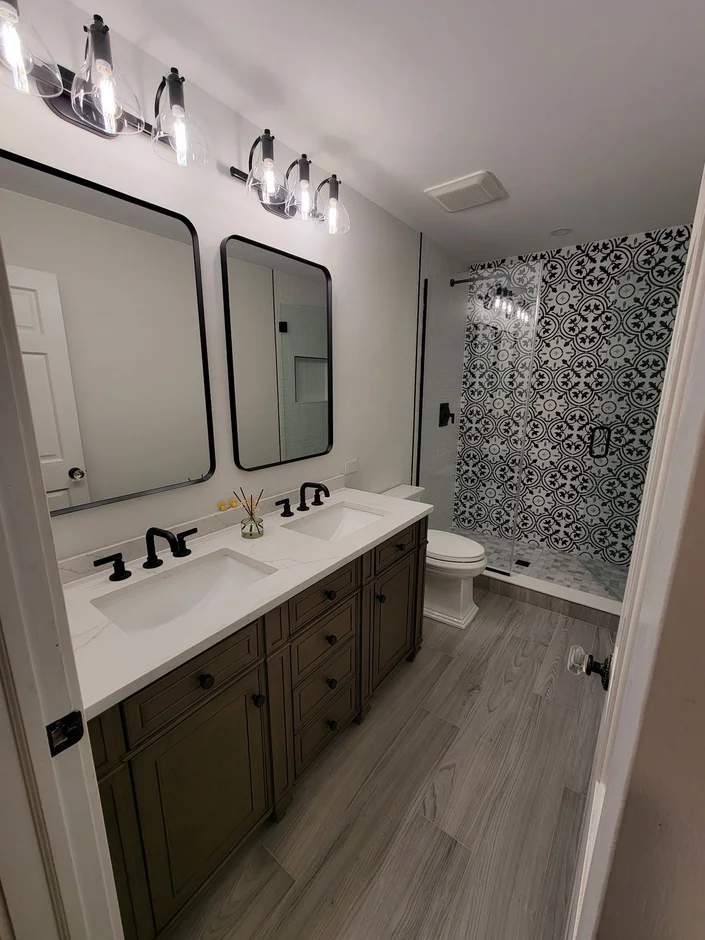
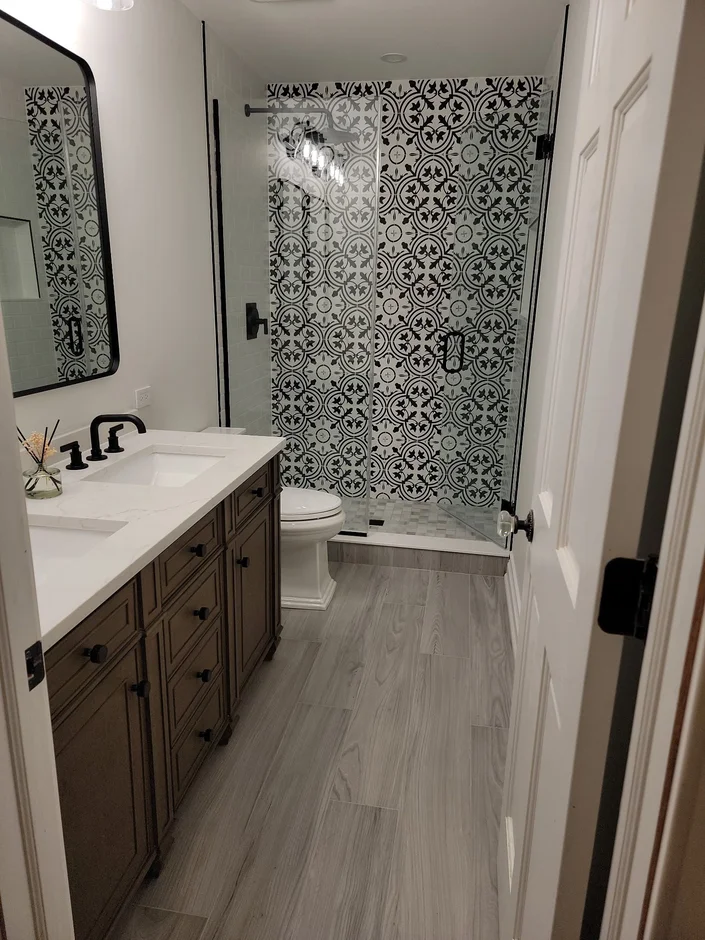
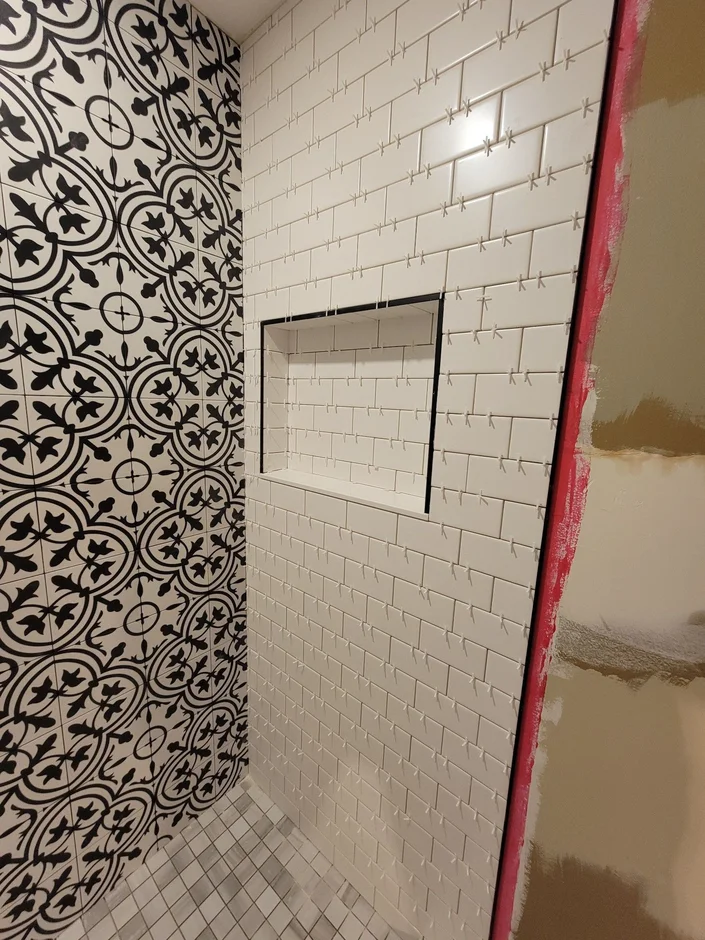
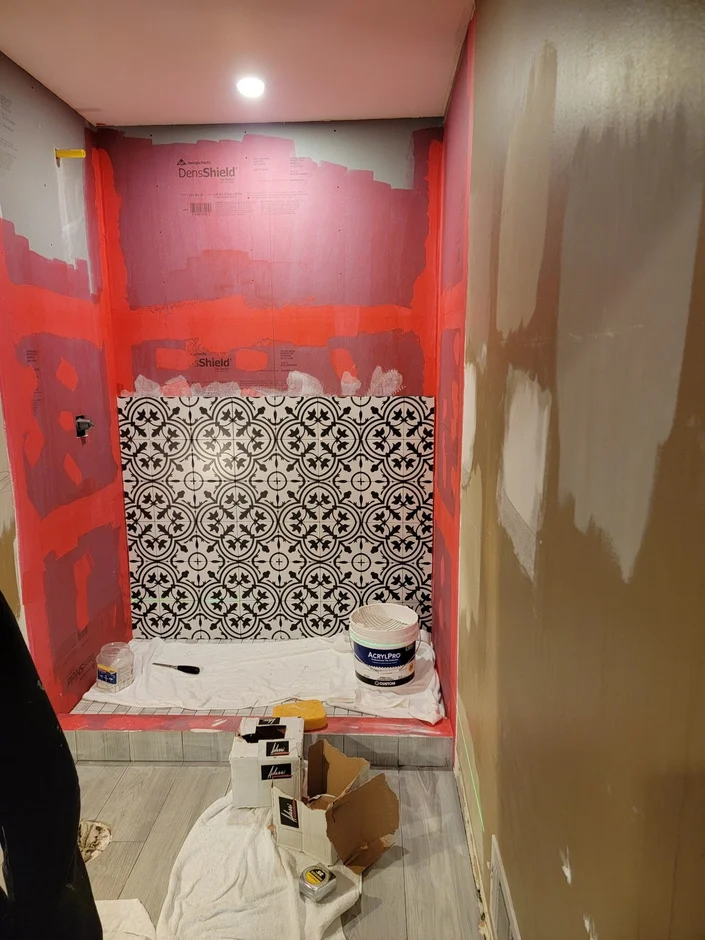
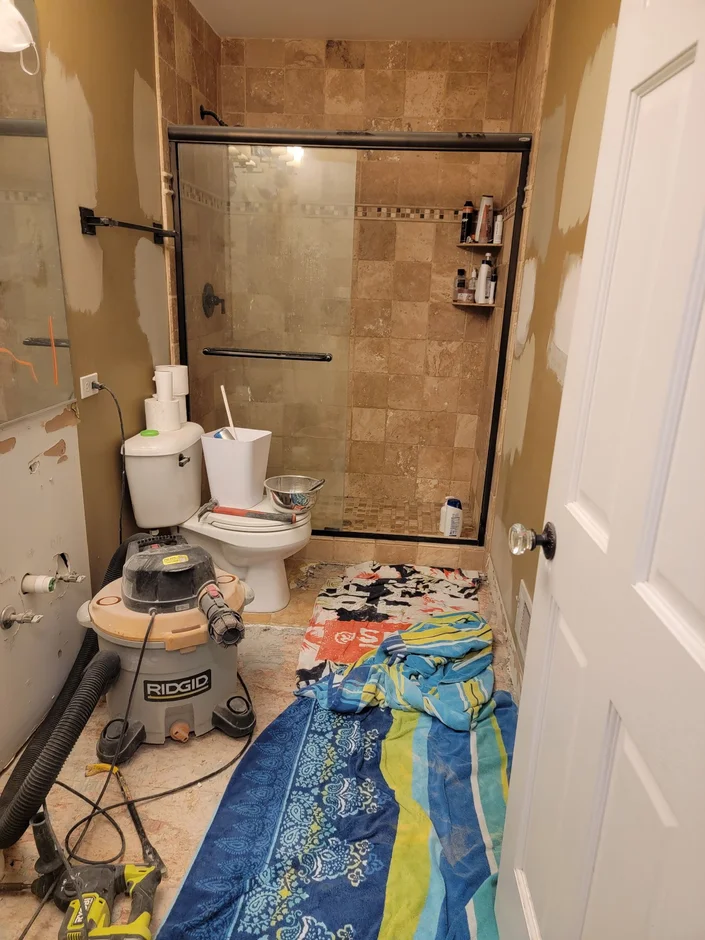
- Bathroom upgrades for comfort and durability
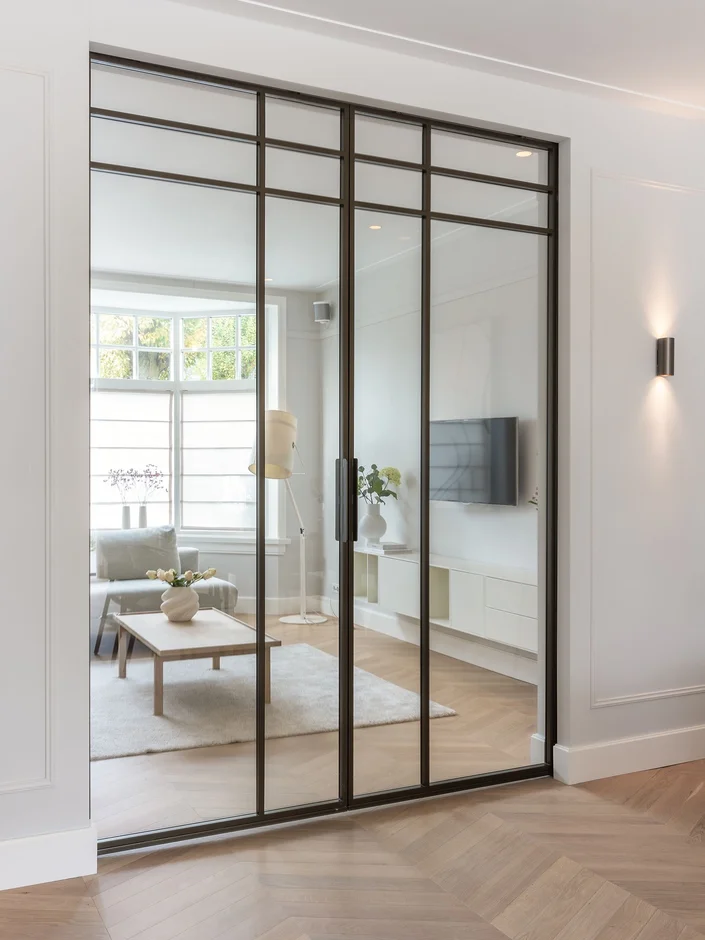
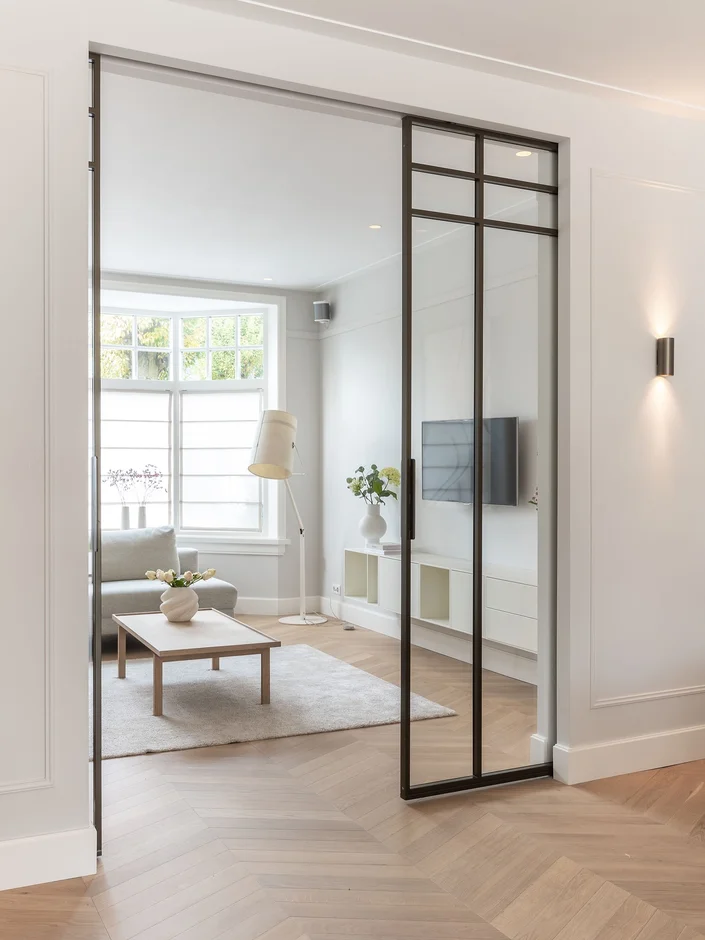
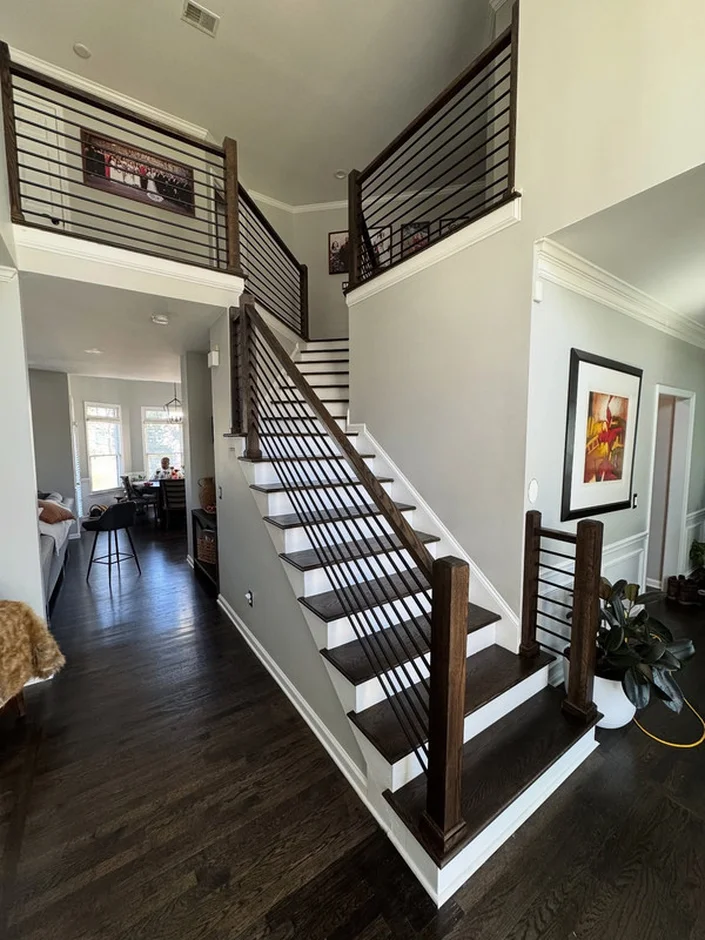
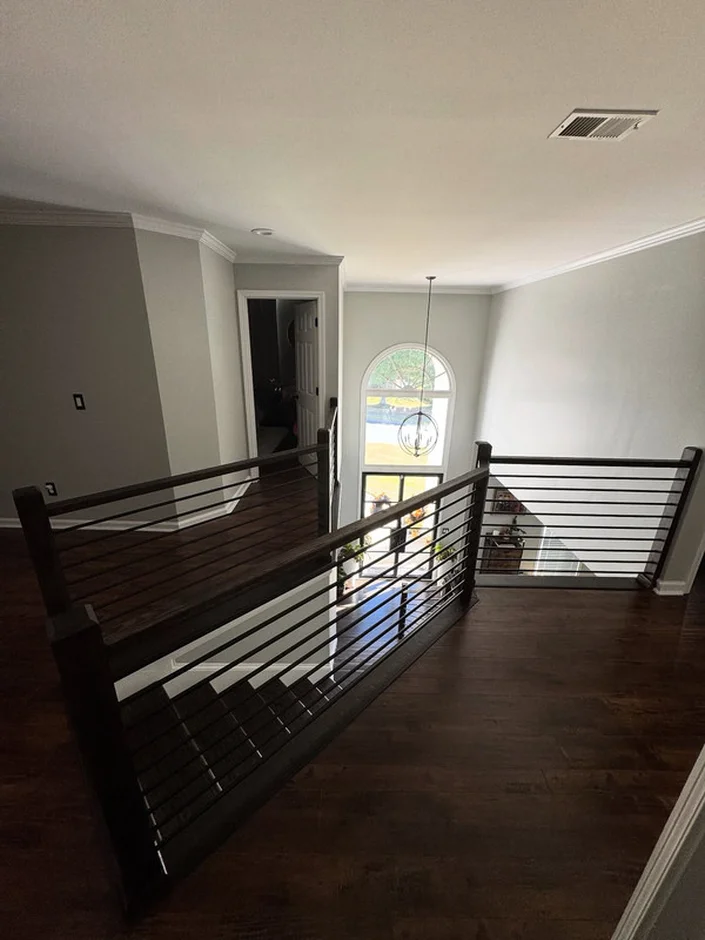
- Interior layout updates to improve flow and storage
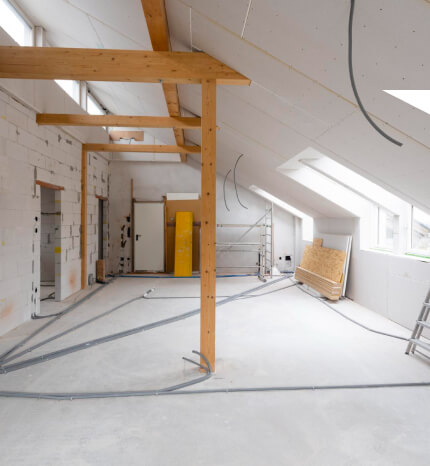
- Basement finishing or reconfiguration
- Energy-efficient lighting and ventilation improvements
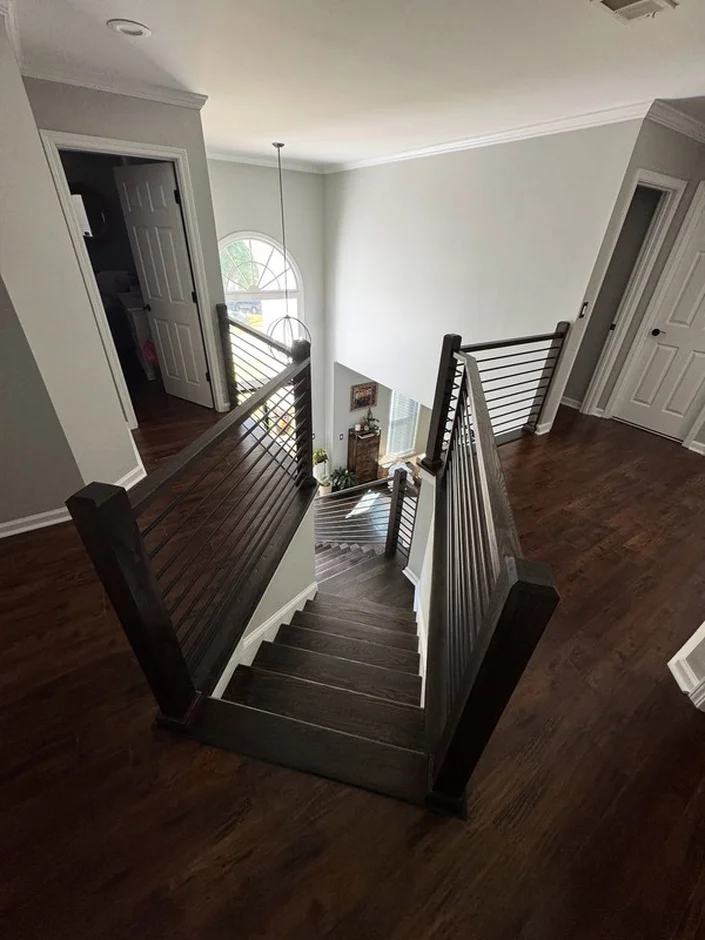
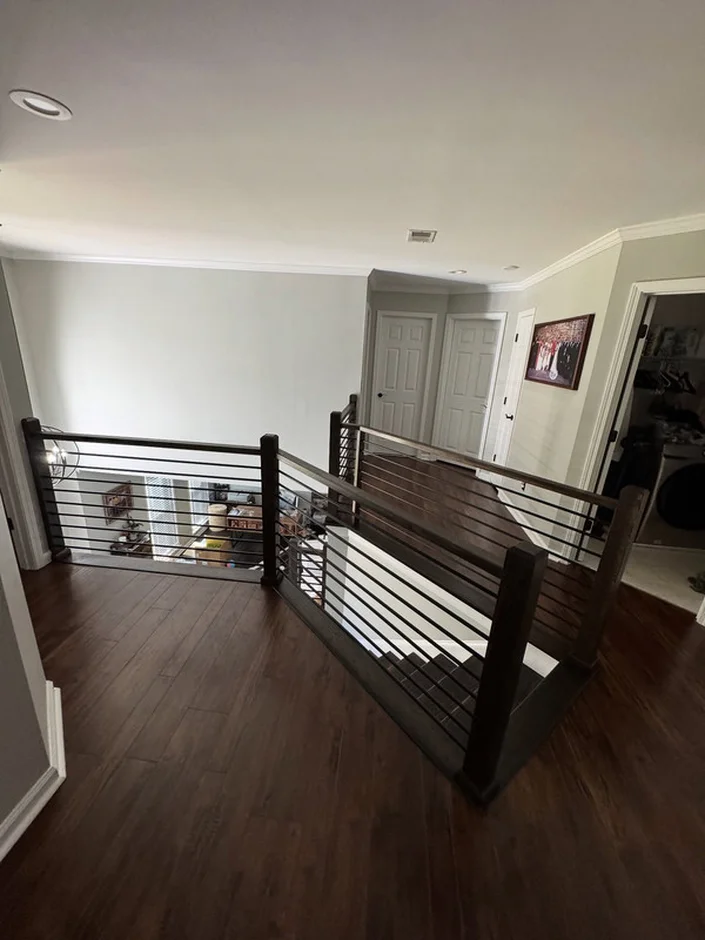
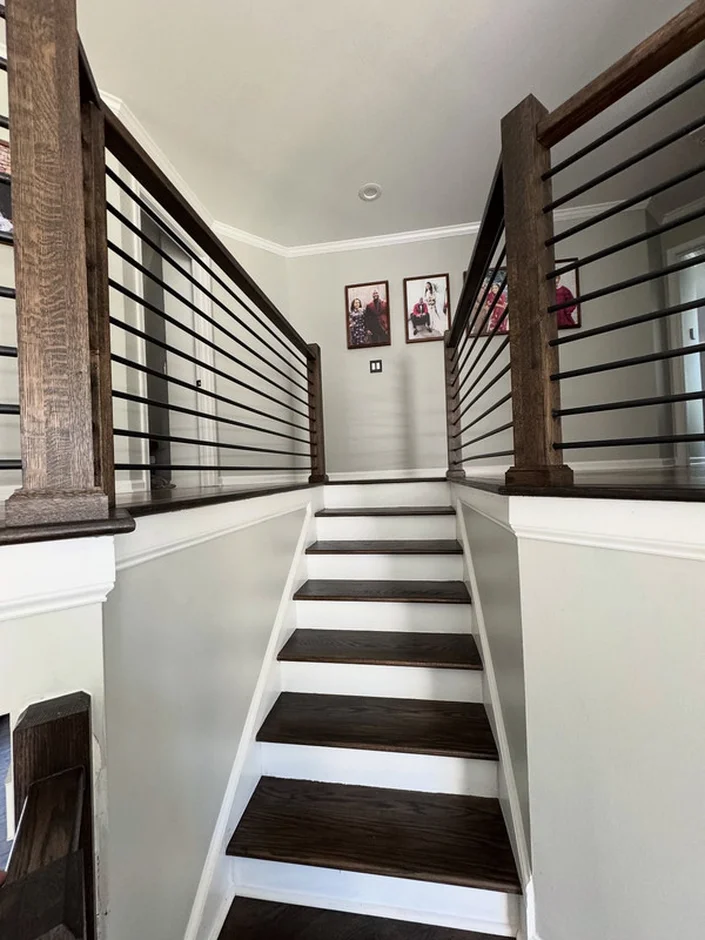
- Flooring replacement or refinishing
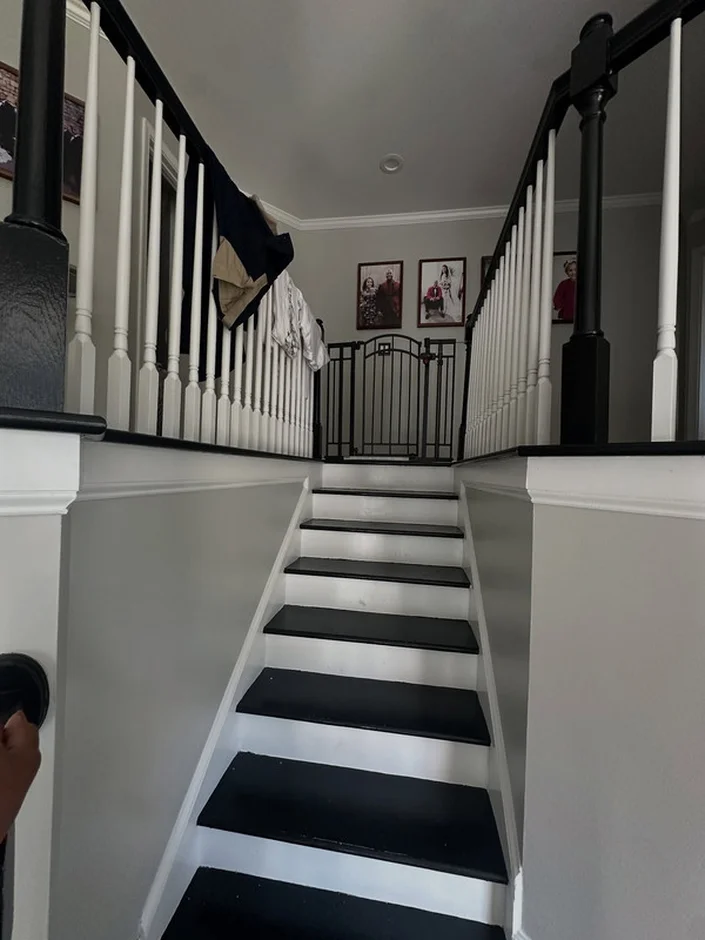
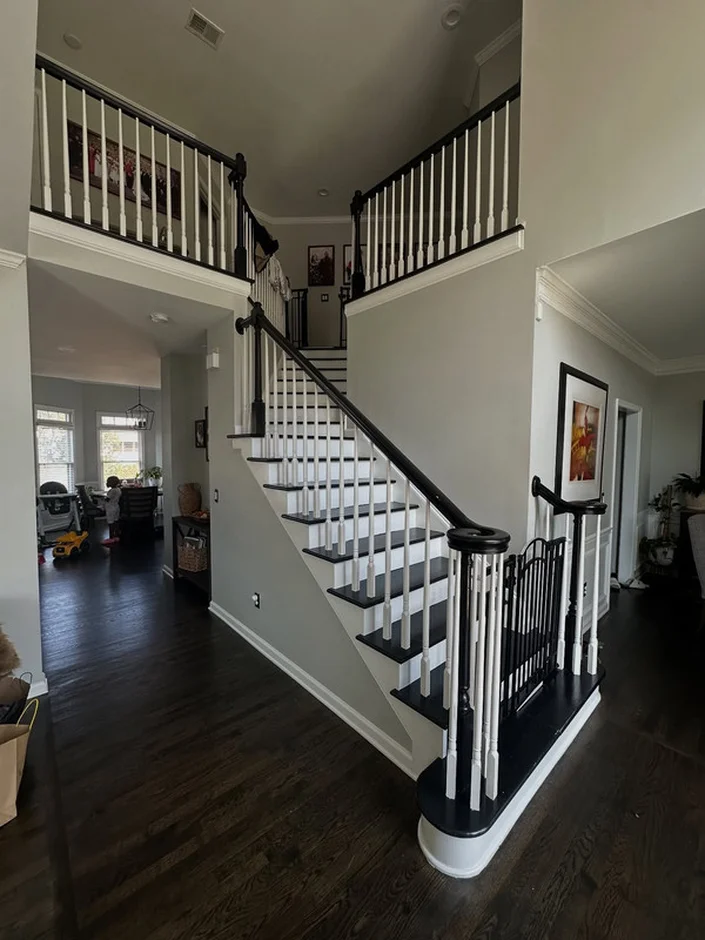
- Painting and surface updates
Homeowners often compare bathroom renovations and kitchen renovations when planning broader interior updates, especially in older homes or condos.
Online repair cost calculation in Vancouver
Factors That Affect Renovation Costs
The scope of work plays a major role in how renovations are planned. Cosmetic updates such as new finishes and fixtures are generally simpler than projects involving layout changes, structural adjustments, or mechanical upgrades. Deeper changes require more coordination between trades and careful sequencing.
In condos and shared buildings, approvals and access requirements can affect efficiency. Elevator bookings, protection of common areas, waste management, and permitted noise windows all influence daily progress. Even detached homes can face access challenges related to staging space or seasonal conditions.
Material availability and lead times are another important factor. Custom cabinetry, specialty tile, and certain fixtures may require longer planning horizons. Energy-efficient upgrades and Canadian winter conditions often lead to multi-stage planning, particularly in older homes where additional repairs may be uncovered.
Renovation Considerations for Vancouver Homes
Many Vancouver homes benefit from thoughtful modernization that improves comfort without sacrificing character. Older neighbourhoods often require updates to insulation access, ventilation, and aging systems. Addressing these elements alongside visible upgrades helps ensure long-term performance.
Storage optimization and flexibility are key considerations in condos and smaller urban homes. Remote work has increased demand for adaptable layouts, better lighting, and sound-conscious design. Durable materials and practical layouts help homes perform well under daily use.
How We Approach Renovations in Vancouver
- Initial discussions to understand goals, lifestyle needs, and site constraints
- Design and planning with coordinated trades and realistic timelines
- Material selection aligned with Canadian climate and building types
- Construction managed with attention to cleanliness, noise, and neighbours
- Final walkthrough and adjustments to confirm quality workmanship
Frequently Asked Questions
How do condo or strata rules affect renovations?
Condo and strata rules often outline approval processes, permitted work hours, and requirements for protecting shared spaces. These rules can influence scheduling and sequencing. Reviewing them early helps avoid delays.
Are there standard permitted work hours for renovations?
Permitted work hours vary based on municipal guidelines and building policies. Louder work may be limited to certain times. Planning quieter tasks outside those windows helps maintain progress.
What access challenges are common in dense areas?
Limited parking, shared entrances, and restricted loading zones can affect deliveries and waste removal. Coordinated logistics help reduce disruption to neighbours and building operations.
Is winter a good time for interior renovations?
Interior renovations can proceed year-round, but winter conditions can affect deliveries and site protection. Scheduling flexibility helps manage weather-related delays.
How should material delays be handled?
Selecting long-lead items early and confirming availability can reduce delays. Having alternative options identified can also help keep projects moving.
What sustainability upgrades are practical?
Energy-efficient lighting, improved ventilation, and insulation upgrades where accessible are common choices. Heat pump compatibility may also be considered depending on the home.
Can homeowners live in the home during renovations?
It depends on the scope and rooms involved. Smaller projects may allow occupancy, while larger renovations can require temporary adjustments. Clear planning helps manage disruption.
What insurance and safety considerations matter?
Homeowners should confirm appropriate insurance coverage and ensure safe work practices are followed. Clear site management helps protect occupants and neighbours.
Final Call To Action
If you are planning a renovation in Vancouver, call Phone or reach out using your preferred contact method to discuss your goals. A well-planned renovation can improve comfort, function, and long-term value while respecting the realities of renovating in a large Canadian city.


 Online
















 10+ days