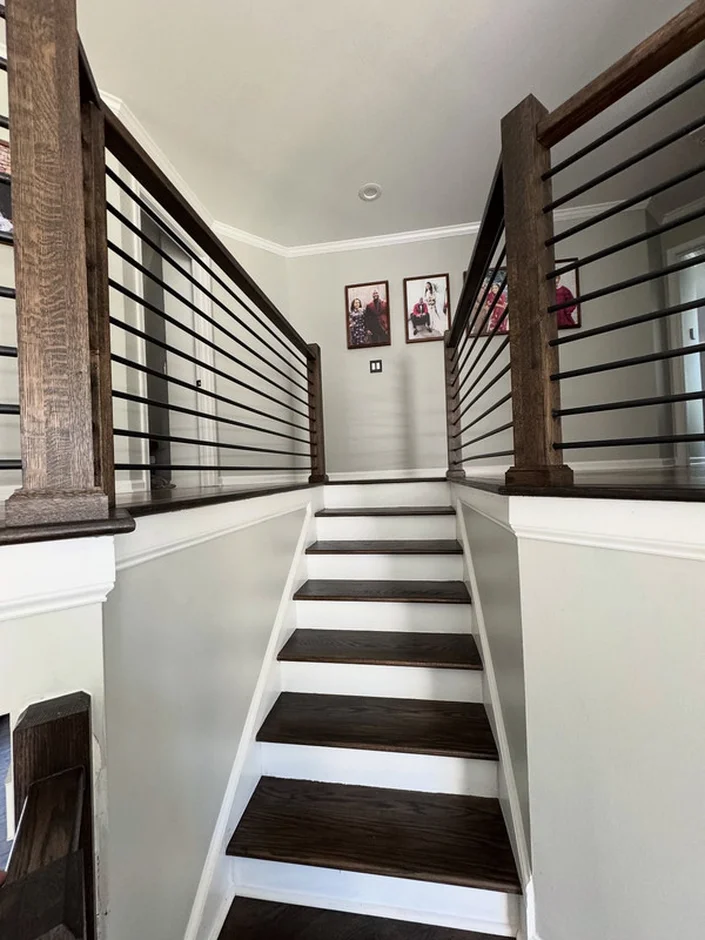
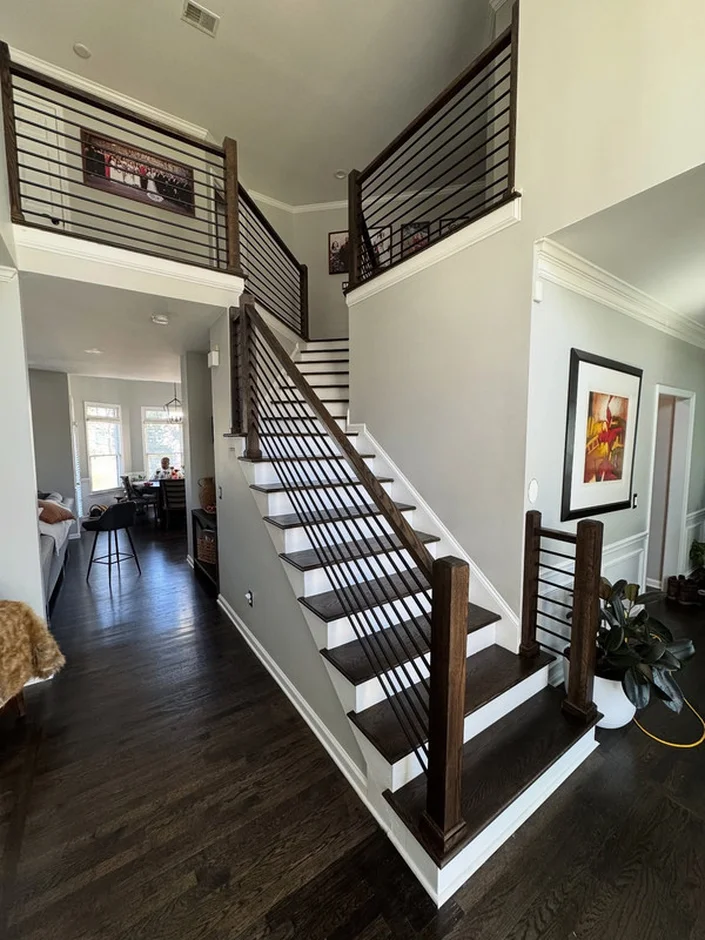
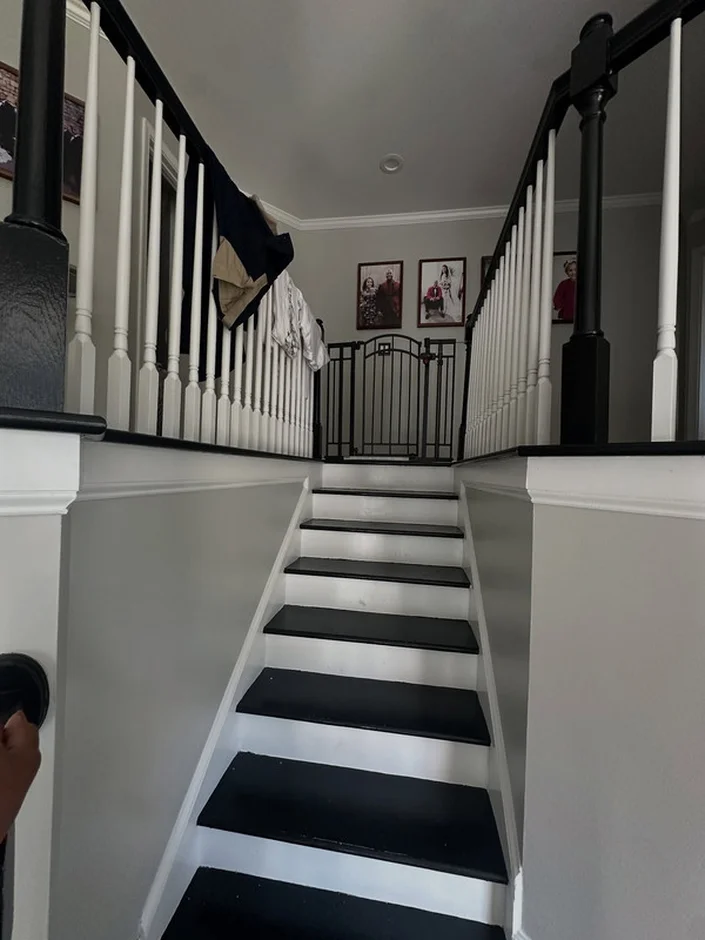
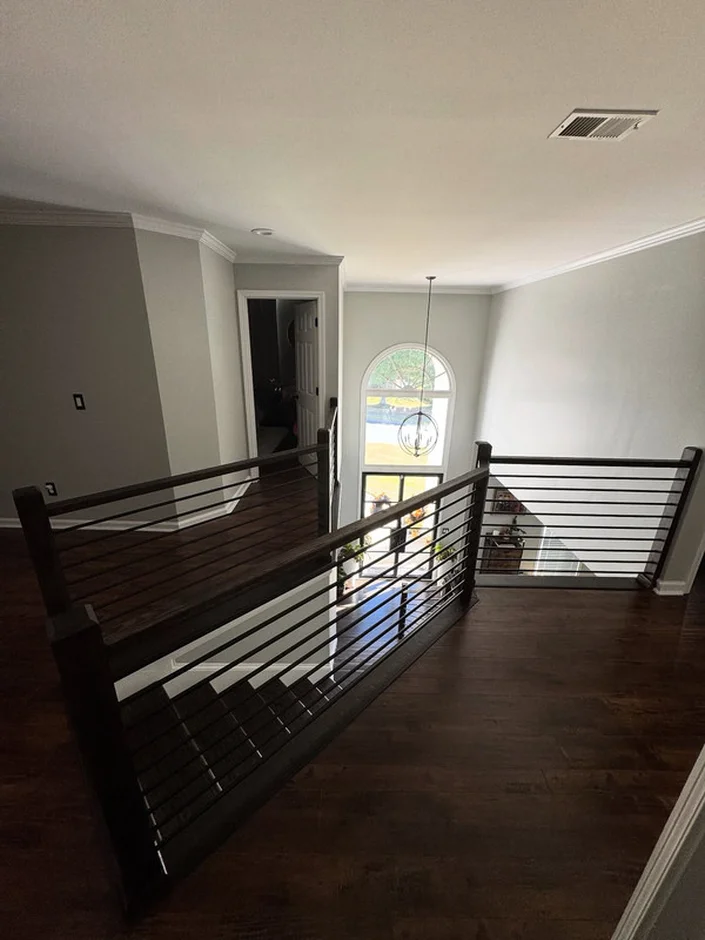
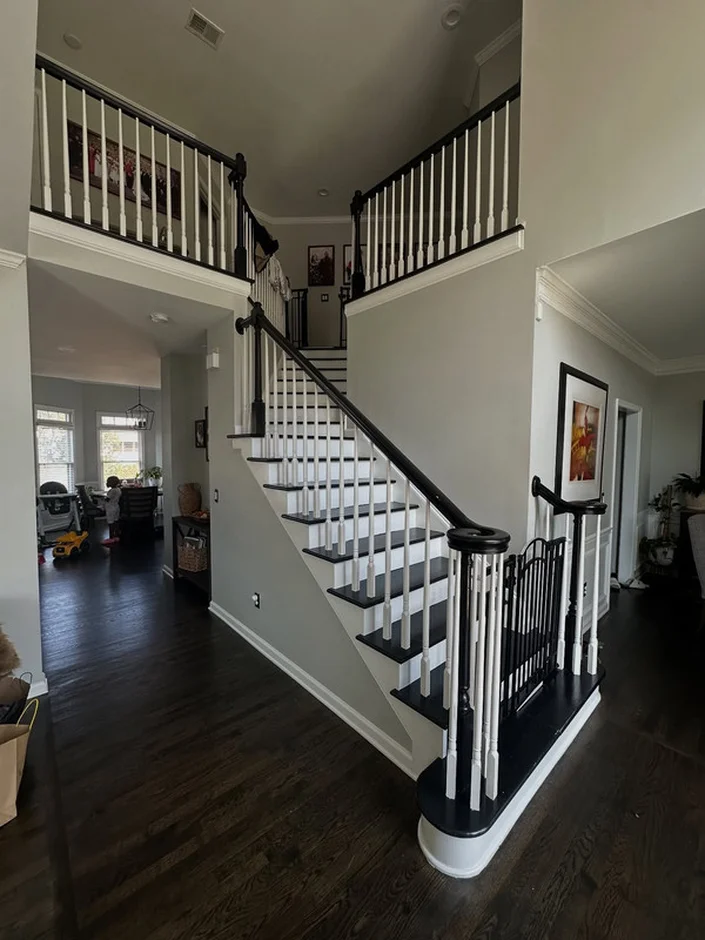
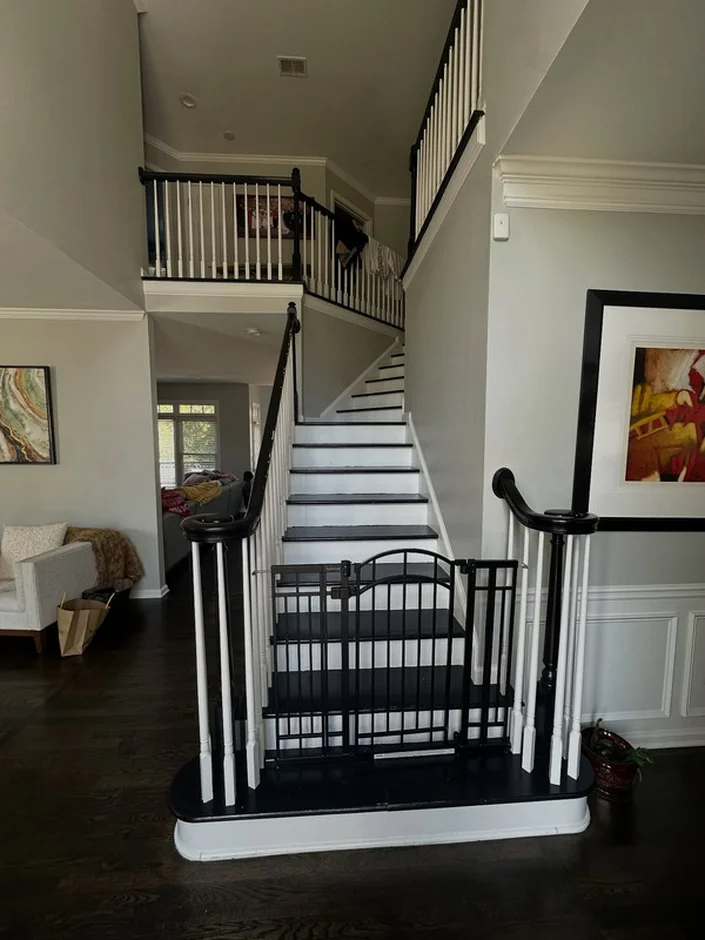
Toronto homeowners often look for renovation solutions that improve comfort, functionality, and long-term livability without unnecessary disruption. Well-planned upgrades can make a meaningful difference in how a home supports everyday Canadian living. For guidance on planning a renovation that fits your space and lifestyle, you can speak with a renovation professional at +1 (647) 84-63-860.
Renovating in a large Canadian city comes with priorities that differ from smaller communities. Toronto’s housing landscape includes century homes, post-war builds, modern infill, and a growing number of condominiums. Each type presents different opportunities and limitations, making careful planning essential before any work begins.
Density plays a major role in how renovation projects are approached. Limited parking, narrow laneways, shared walls, and close neighbours can affect scheduling, material deliveries, and noise management. Clear communication between homeowners, trades, and building management helps keep projects organized and respectful of surrounding residents.
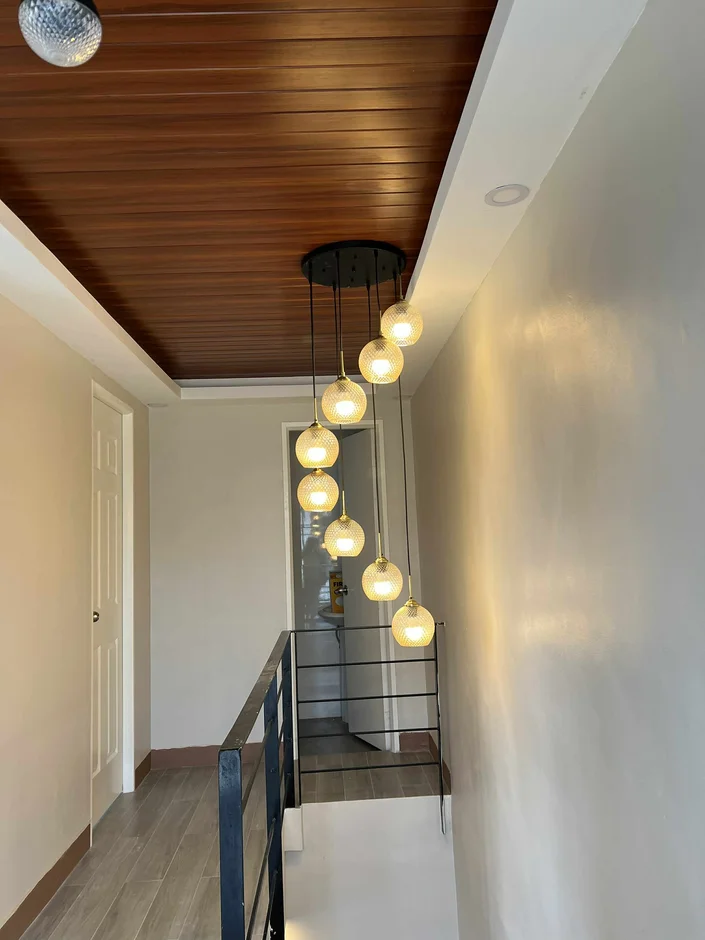
Many Toronto homeowners are also thinking about efficiency and sustainability when planning renovations. Improvements such as better insulation, upgraded ventilation, LED lighting, and energy-efficient heating or cooling systems can enhance comfort while supporting responsible energy use. These upgrades are often paired with thoughtful interior design choices that make the most of available space.
Design decisions matter more in dense urban environments, where every square foot has a purpose. Whether updating an older layout or refining a newer one, successful renovations balance aesthetics, durability, and daily usability.
What Renovation Planning Looks Like in a Large Canadian City
Renovation planning in Toronto is influenced by a mix of building types and busy urban conditions. Coordinating deliveries around traffic patterns, securing access for trades, and working within limited staging areas all require foresight. These factors are especially important in neighbourhoods with tight streets or high-rise buildings.
Many homeowners look to improve how their space functions rather than simply updating finishes. Open layouts, flexible rooms that can serve as home offices or family spaces, and better storage solutions are common goals. At the same time, upgrades to insulation, windows, and mechanical systems can improve energy performance and year-round comfort.
Condominium living is a significant part of Toronto’s housing mix. Renovations in these settings often involve approval processes, defined work hours, and guidelines designed to minimize disruption. Understanding these requirements early helps set realistic timelines and ensures that work proceeds smoothly within shared buildings.
Renovation Services Available in Toronto
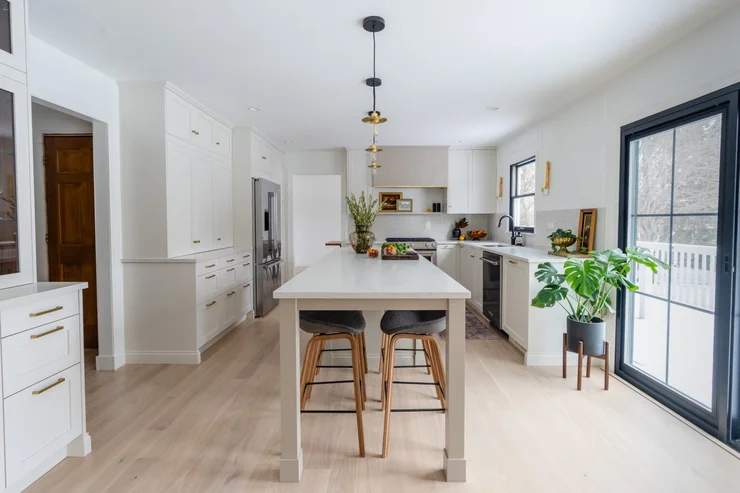
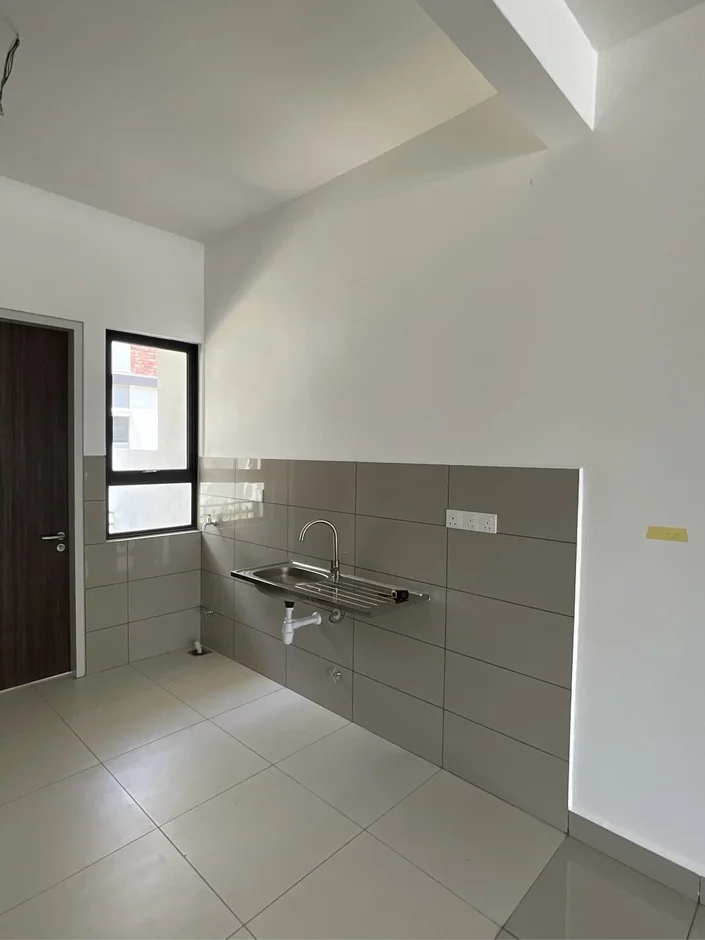
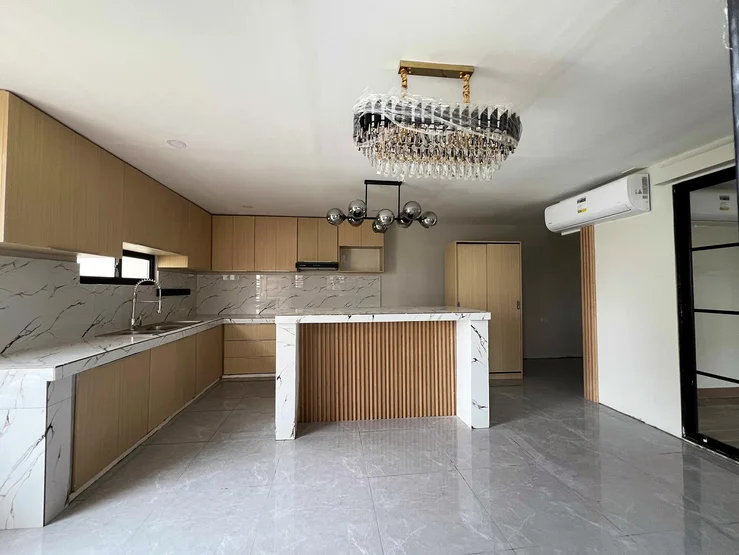
In large metropolitan areas like Toronto, homeowners typically request interior renovations that enhance comfort, durability, and efficient use of space.
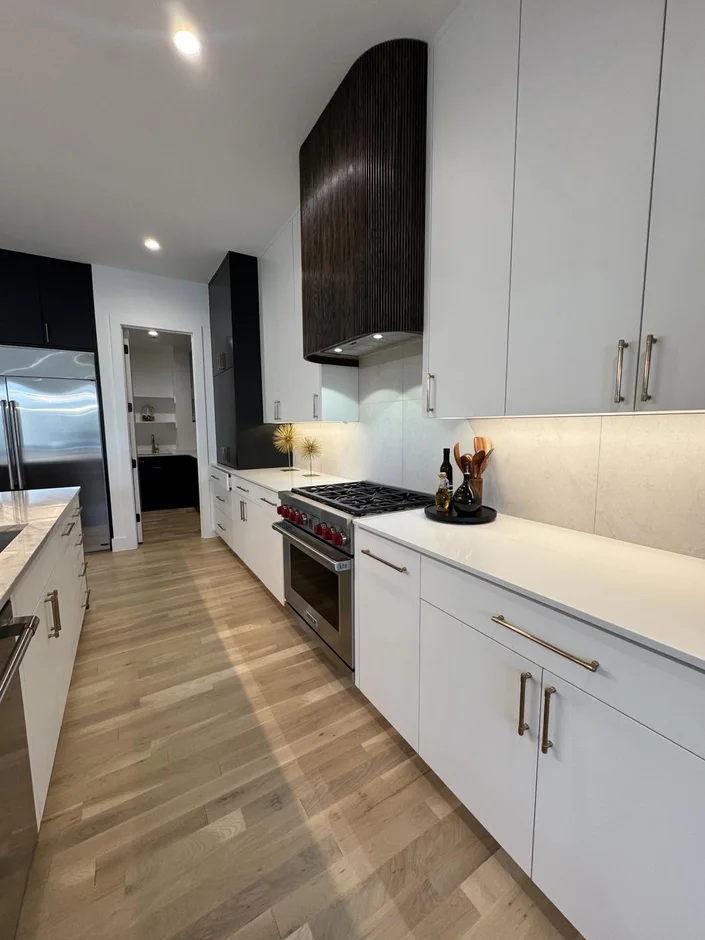
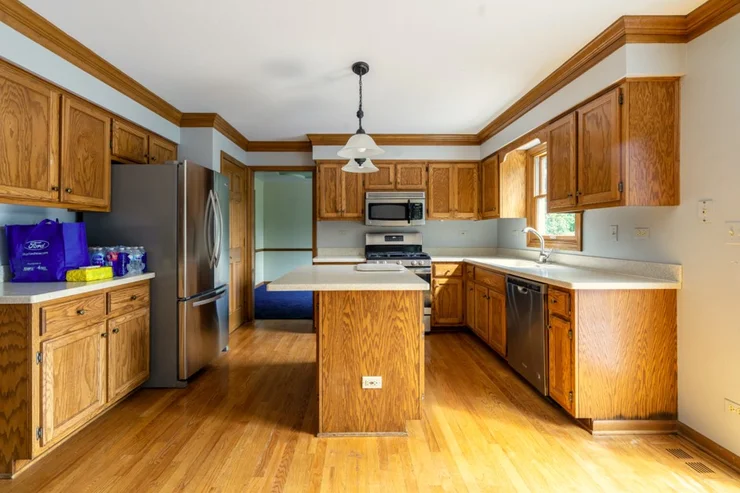
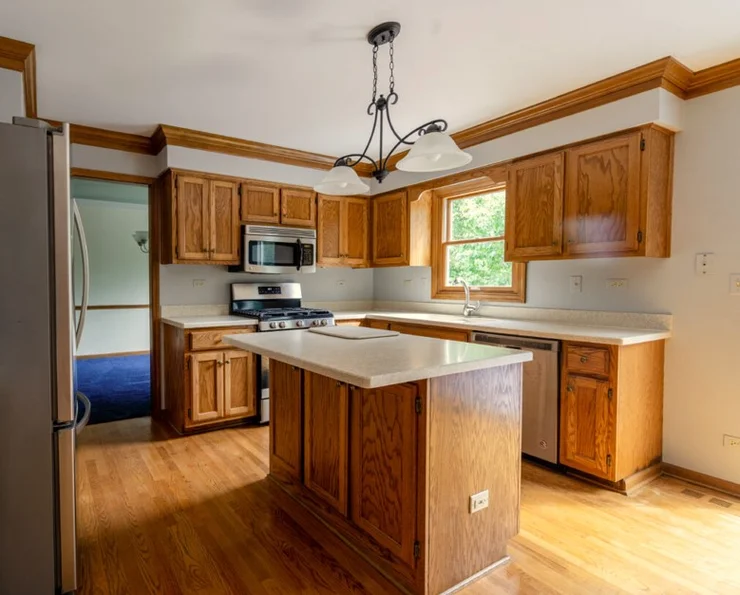
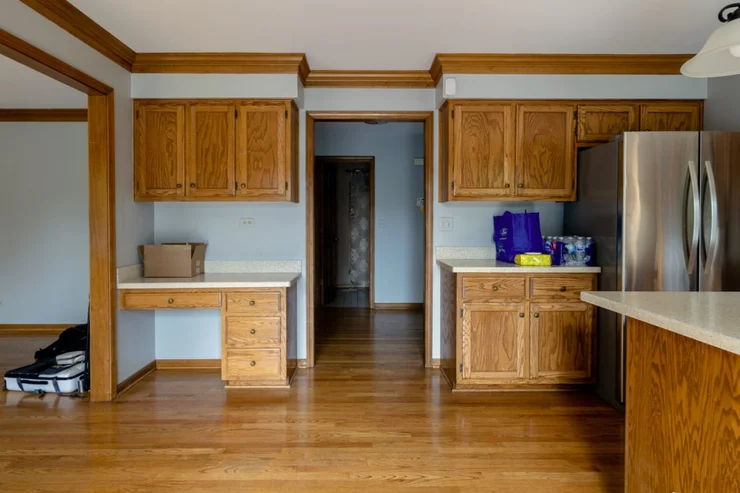
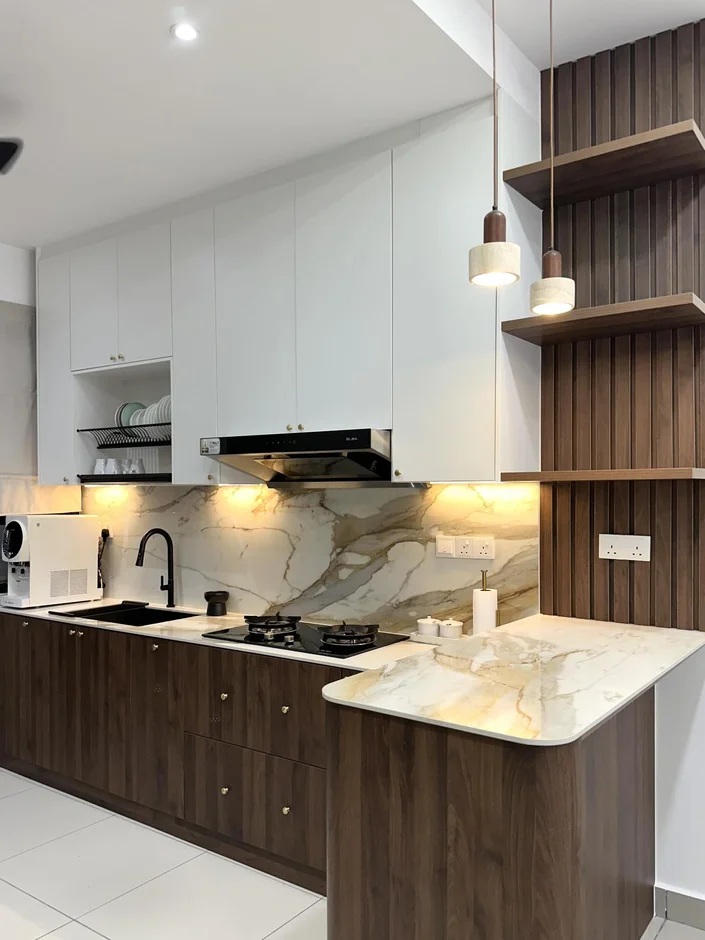
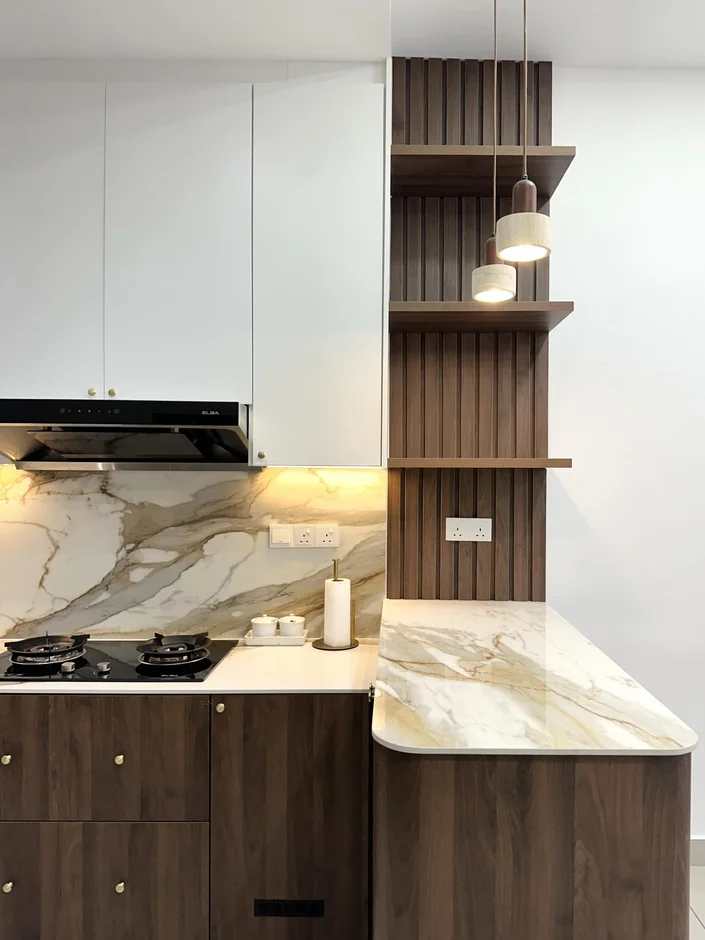
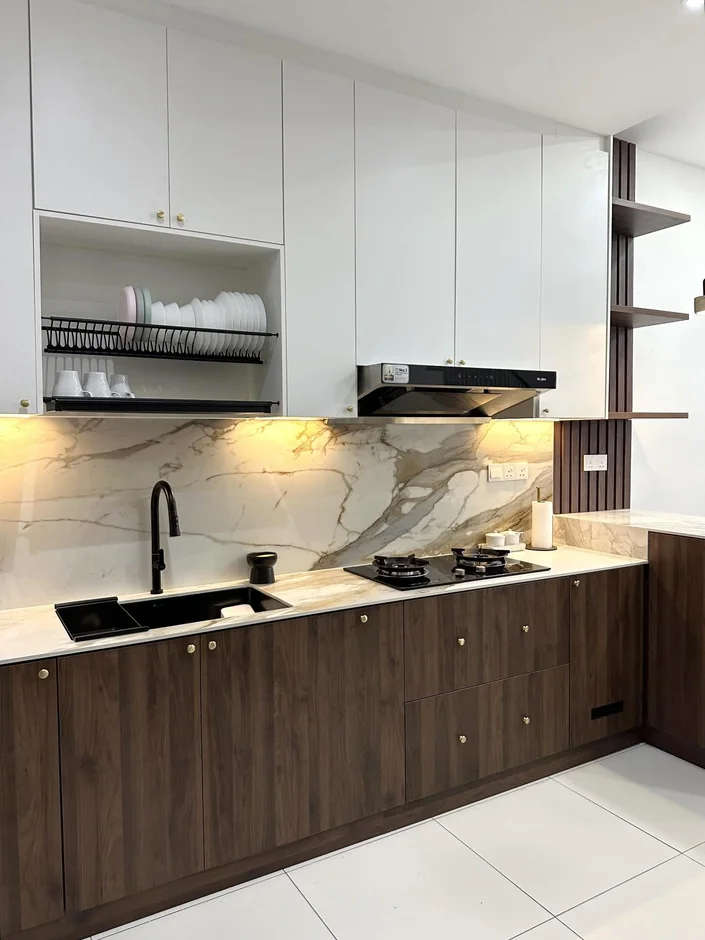
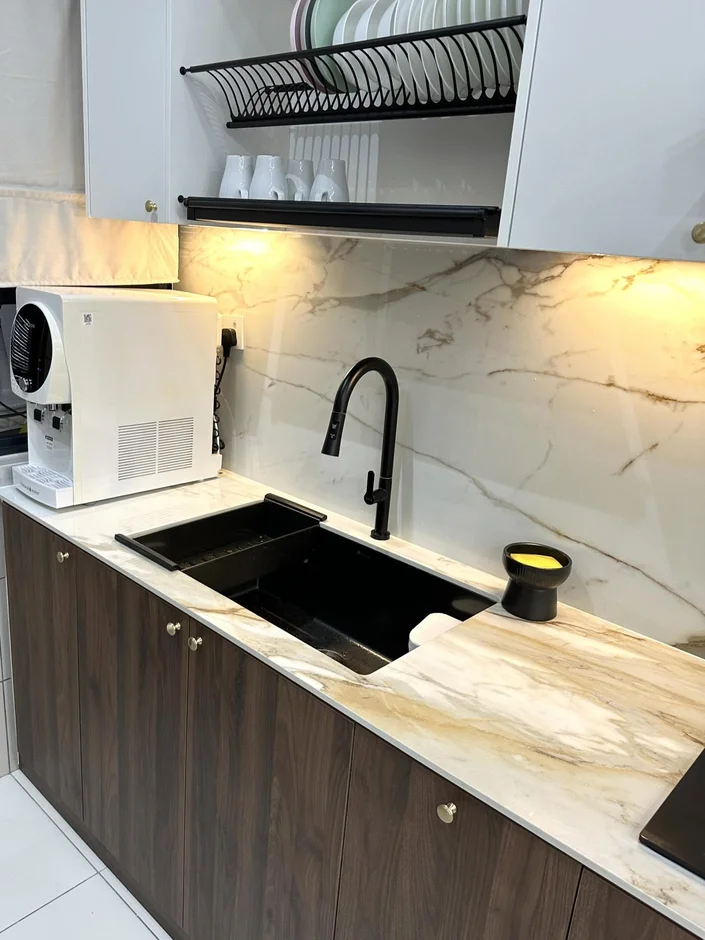
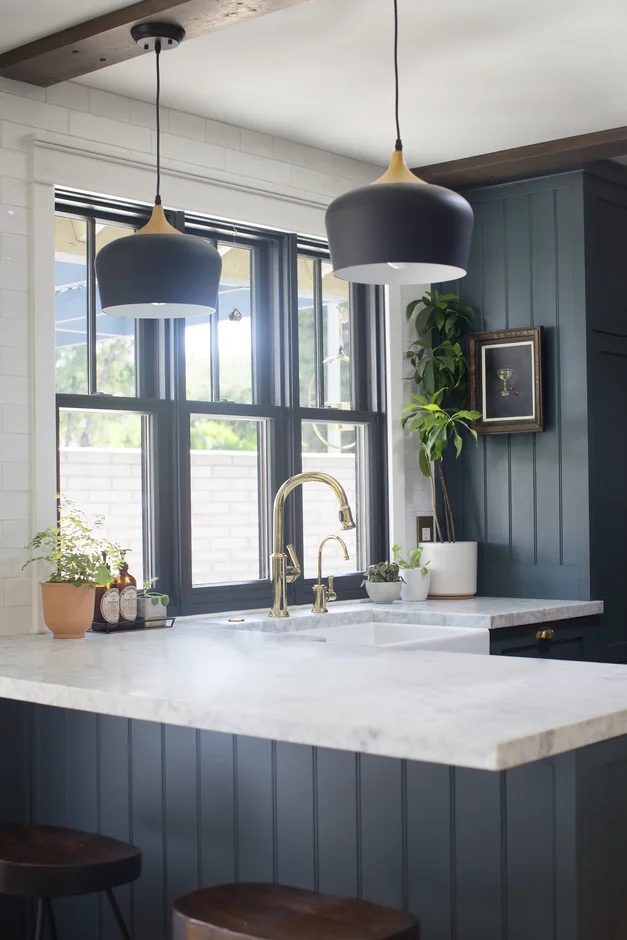
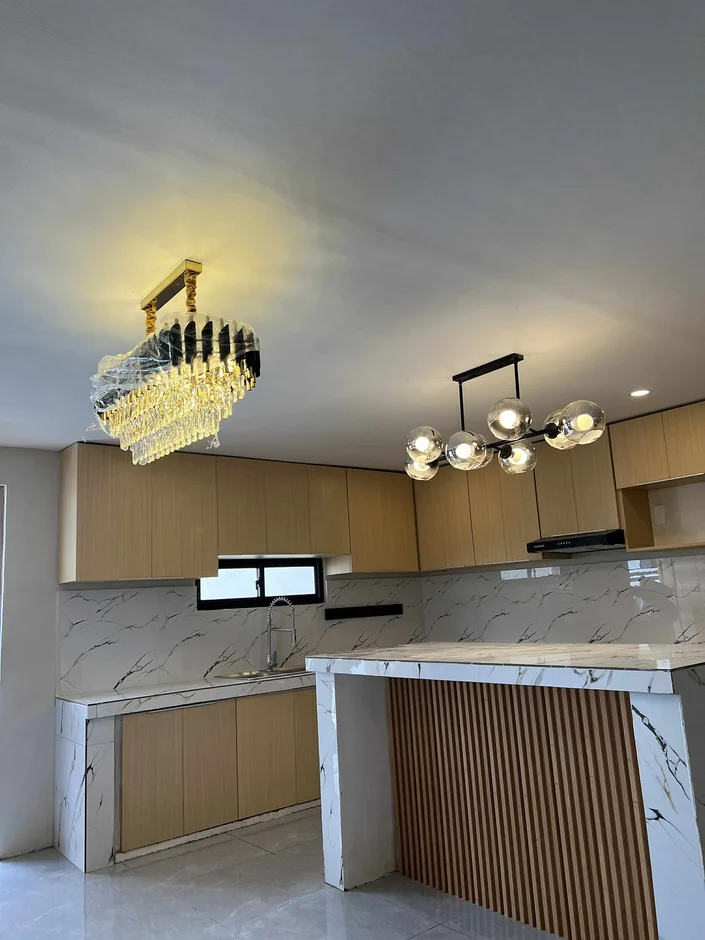
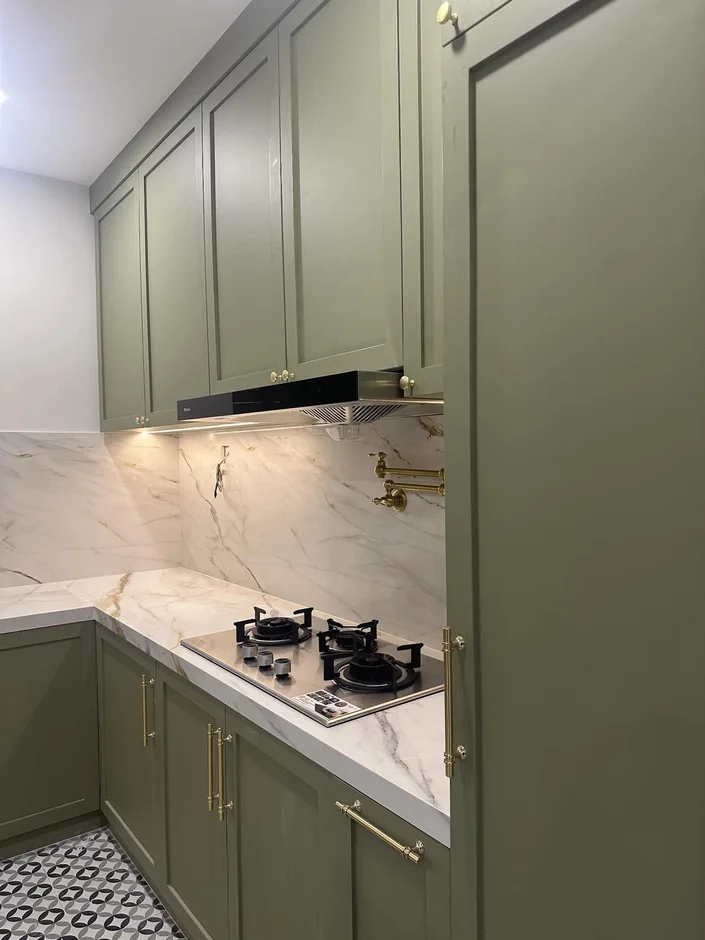
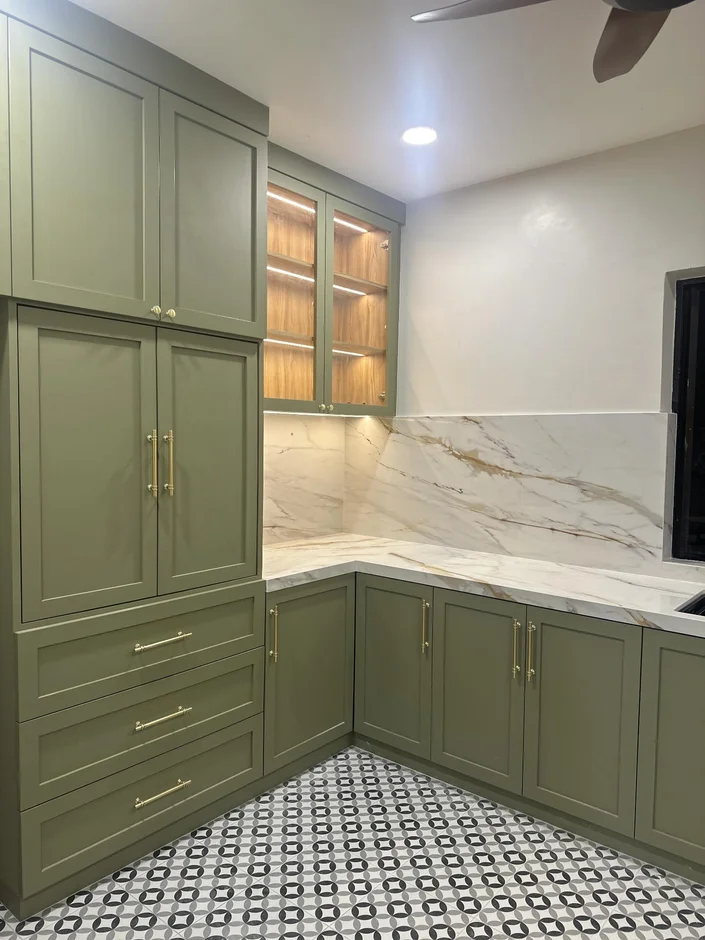
- Kitchen renovation with improved workflow and modern finishes
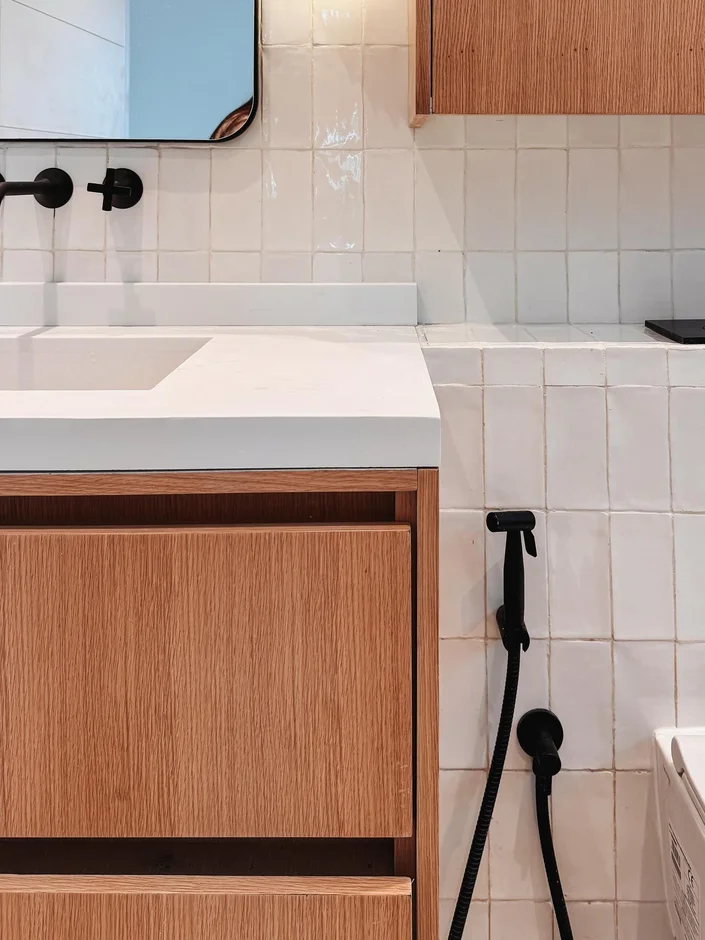
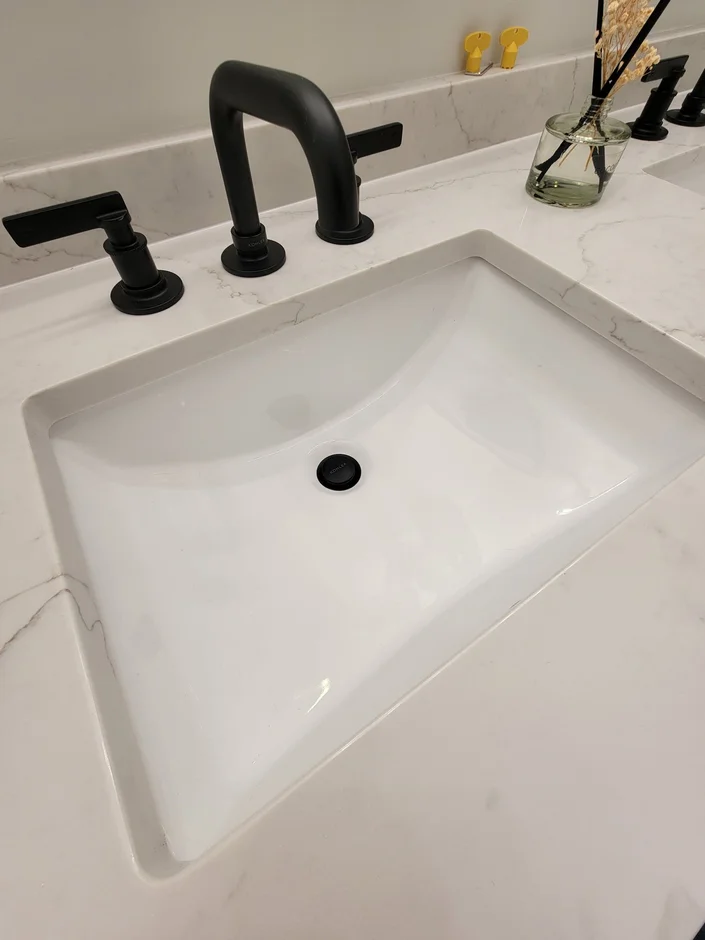
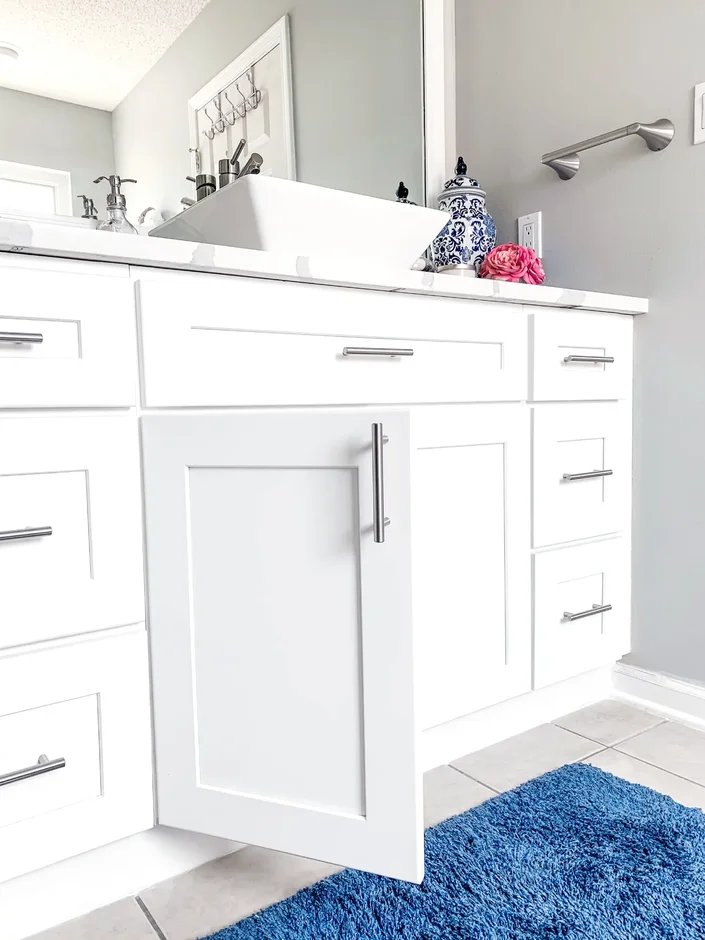
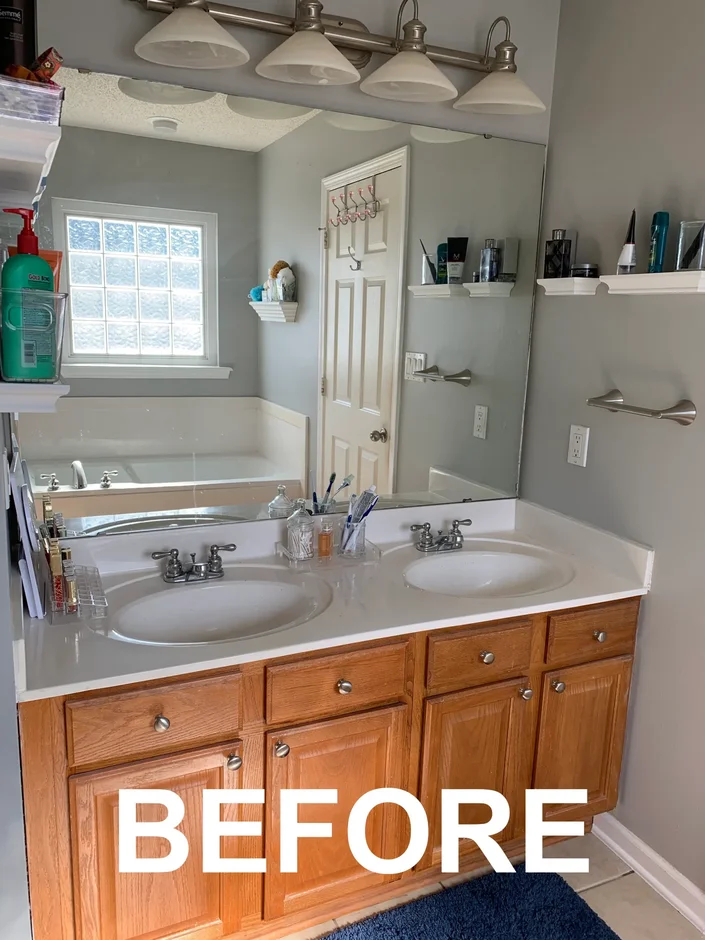
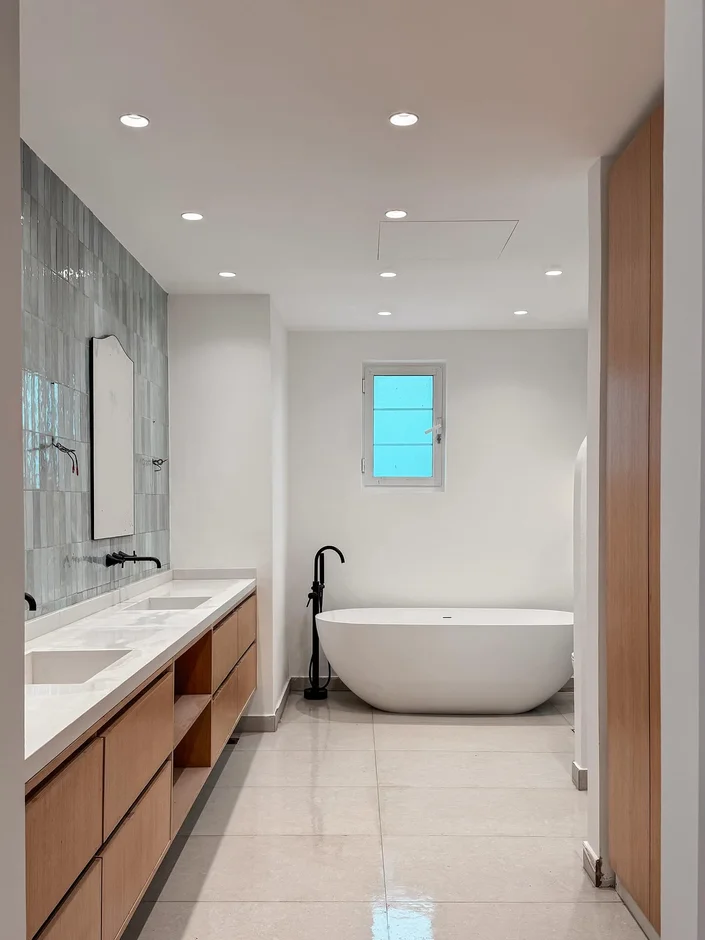
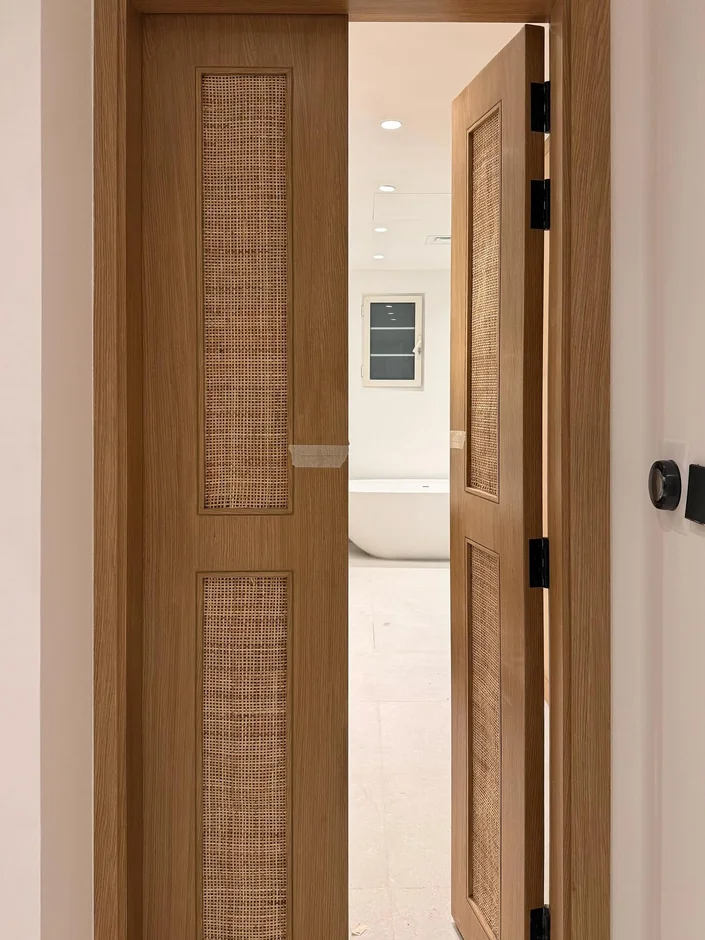
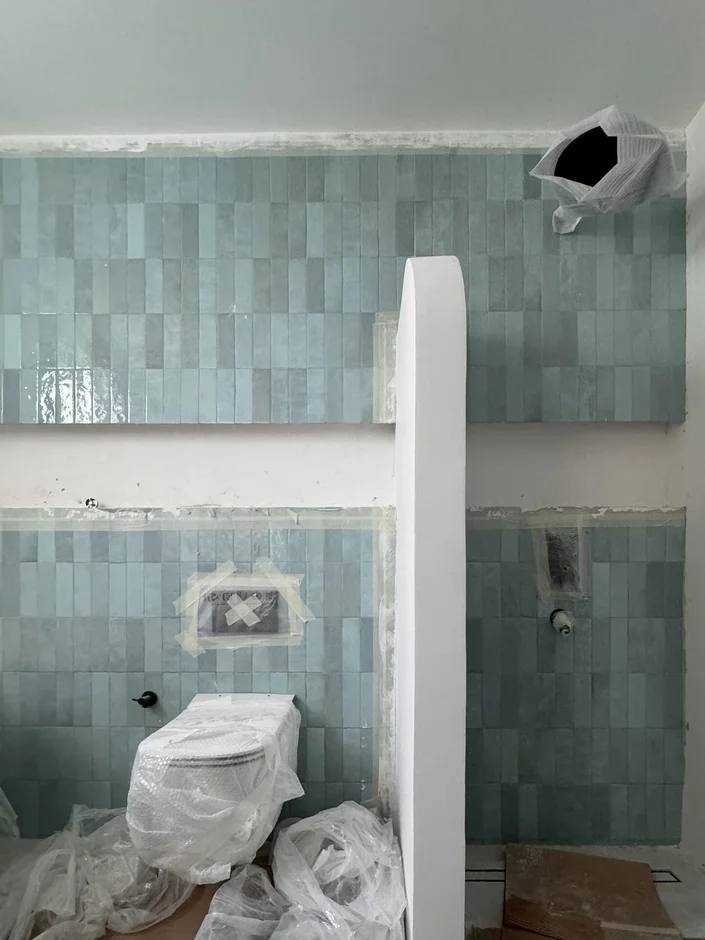
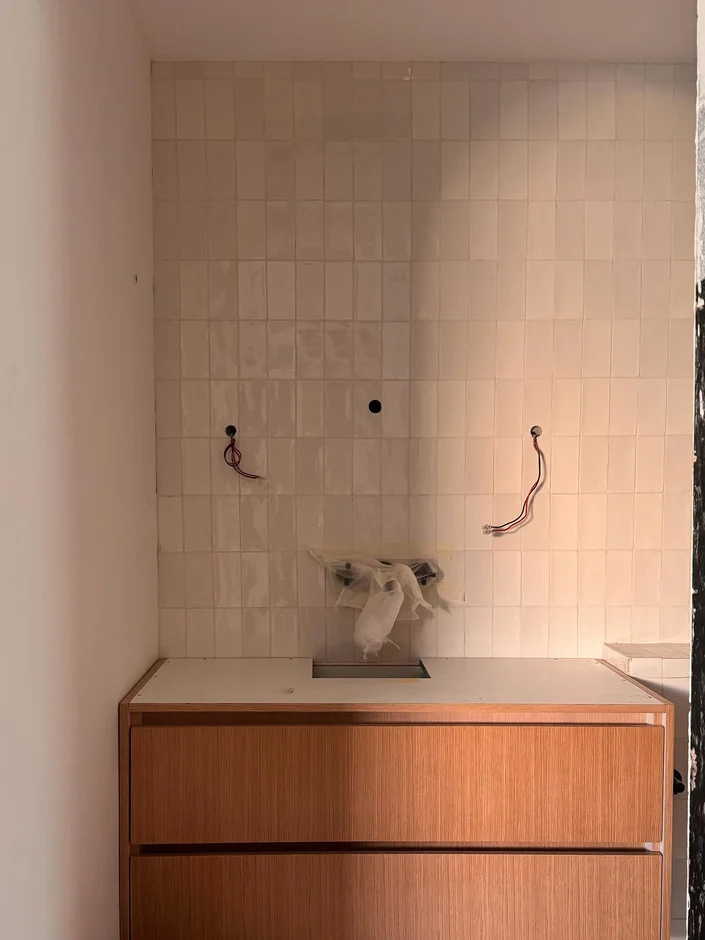
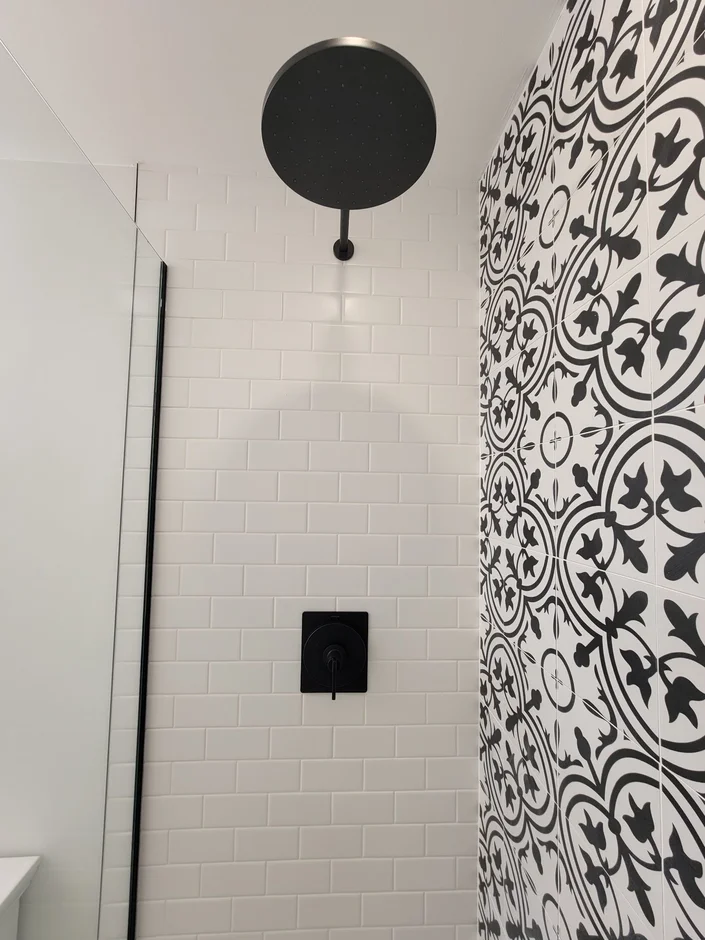
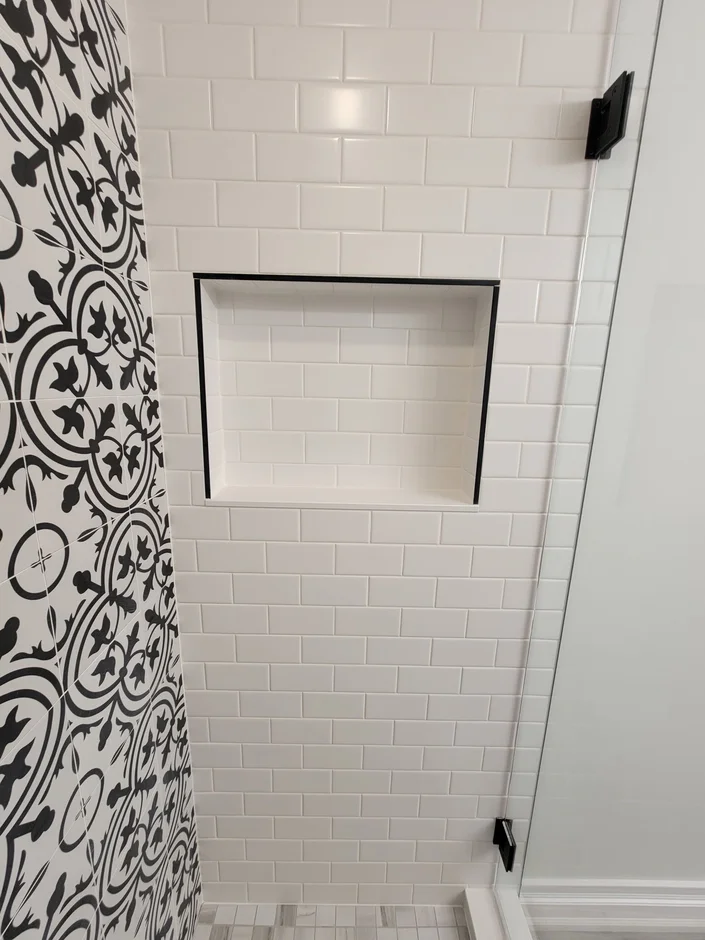
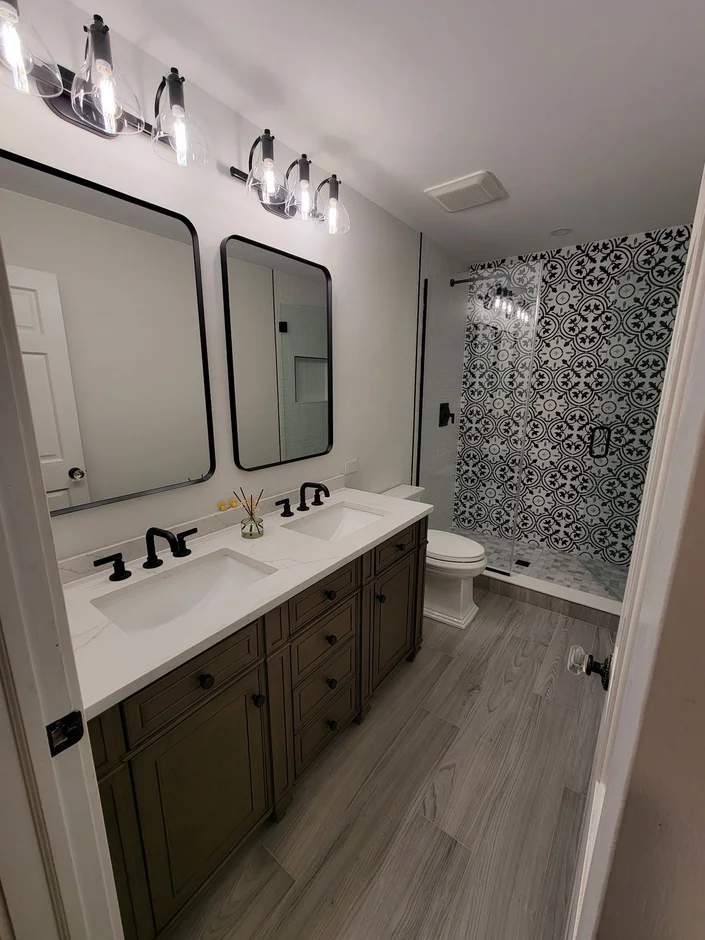
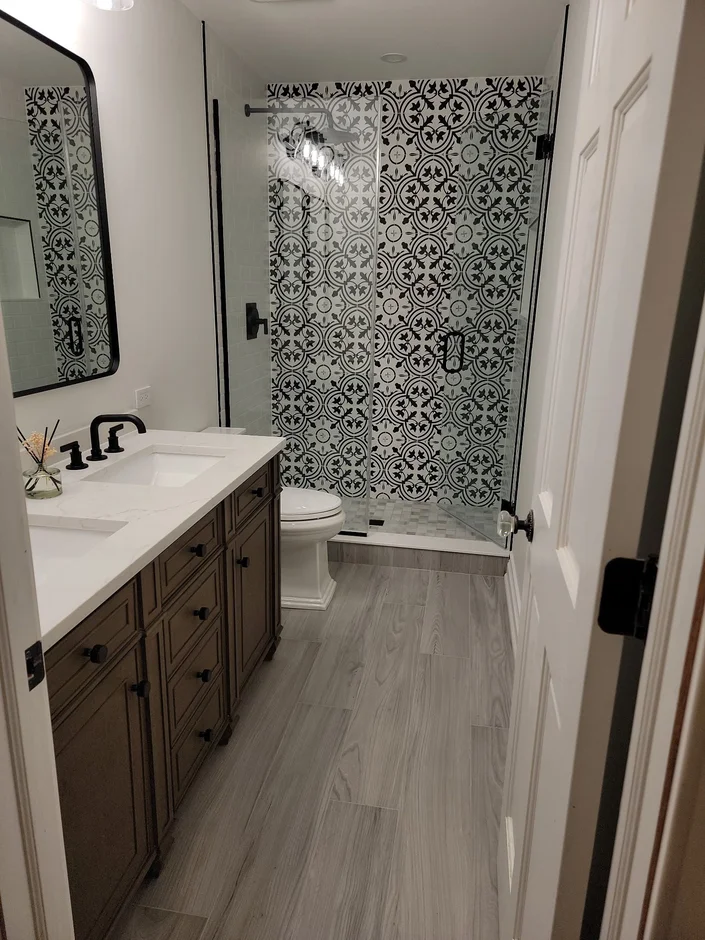
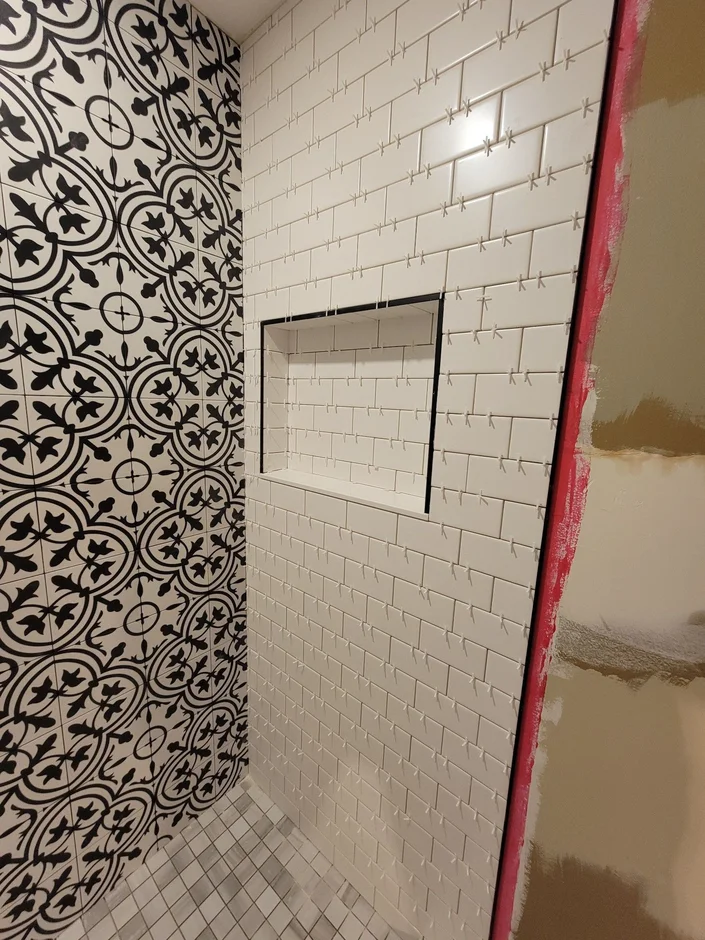
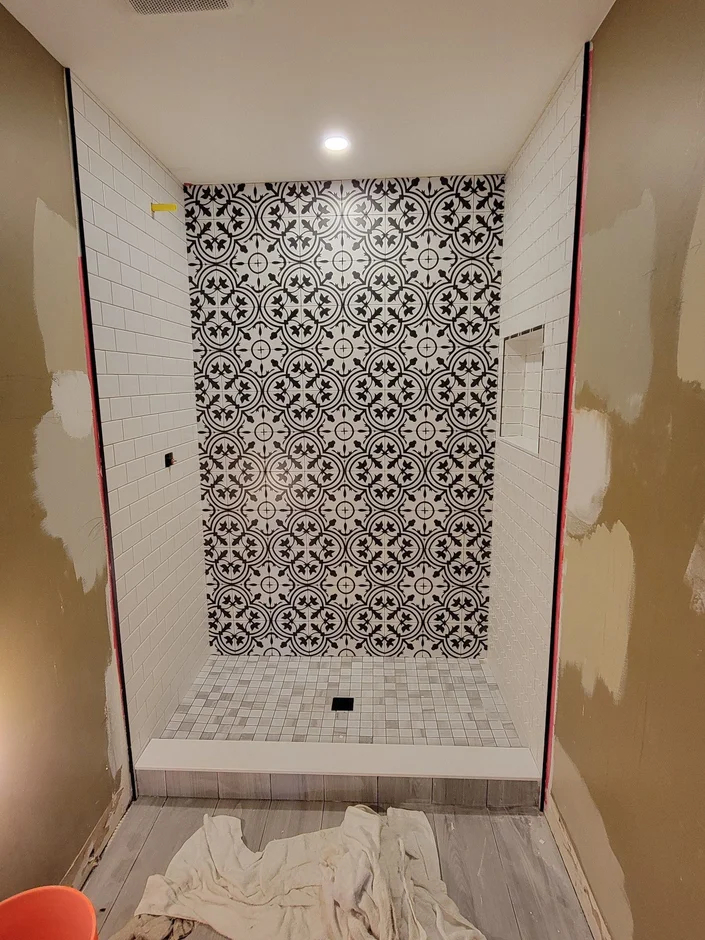
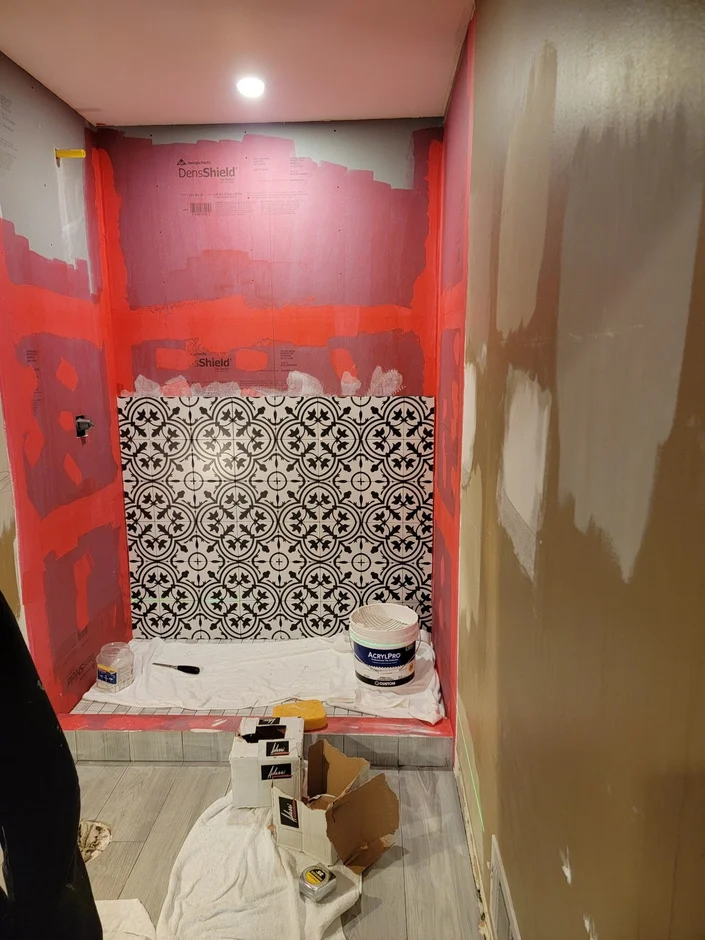
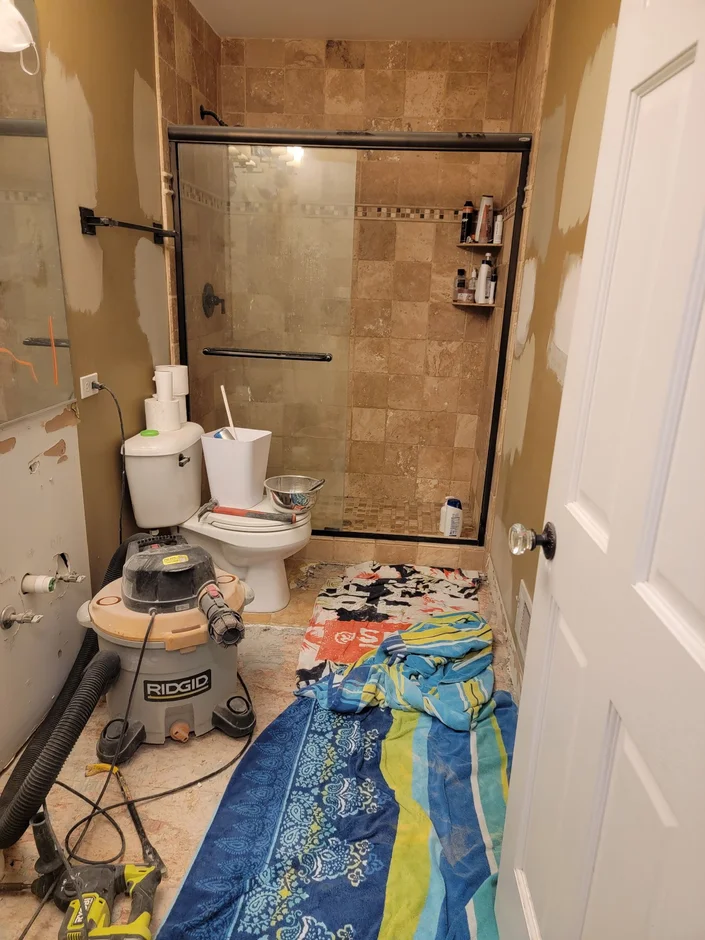
- Bathroom upgrades for comfort and durability
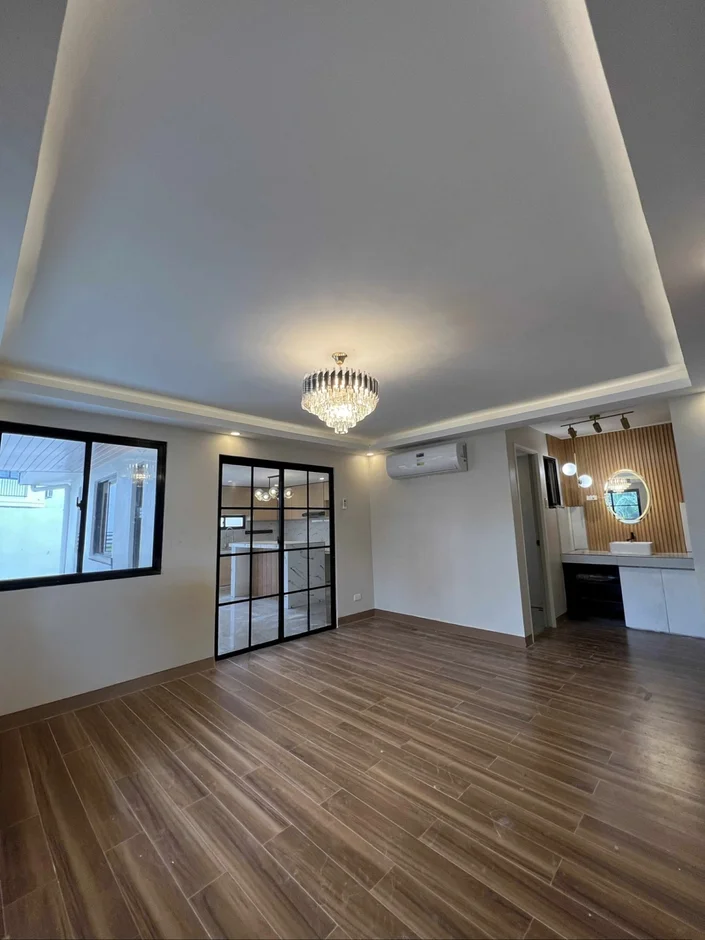
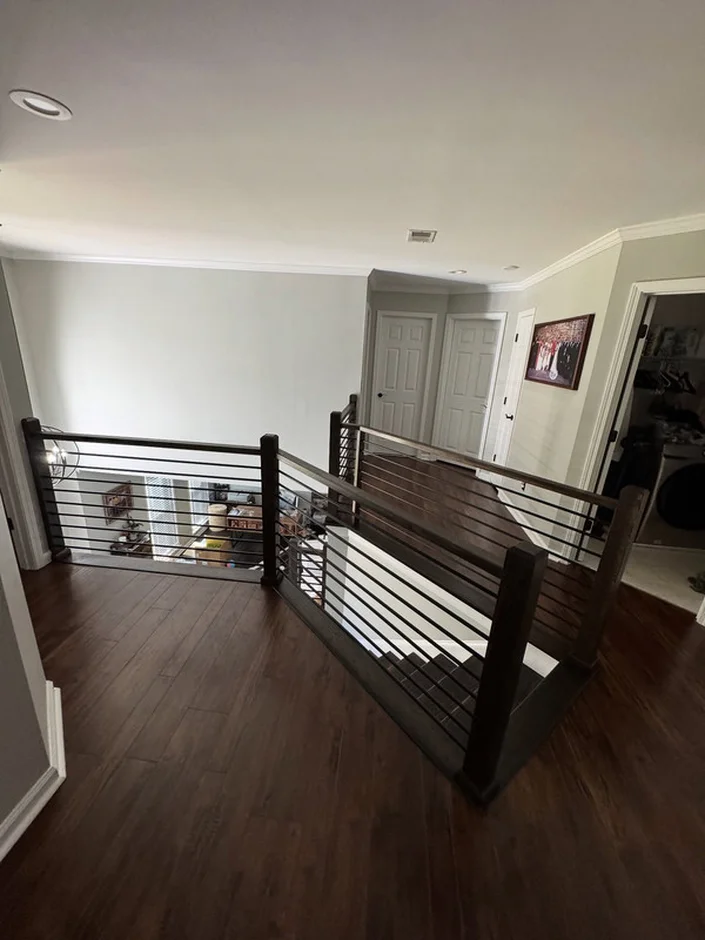
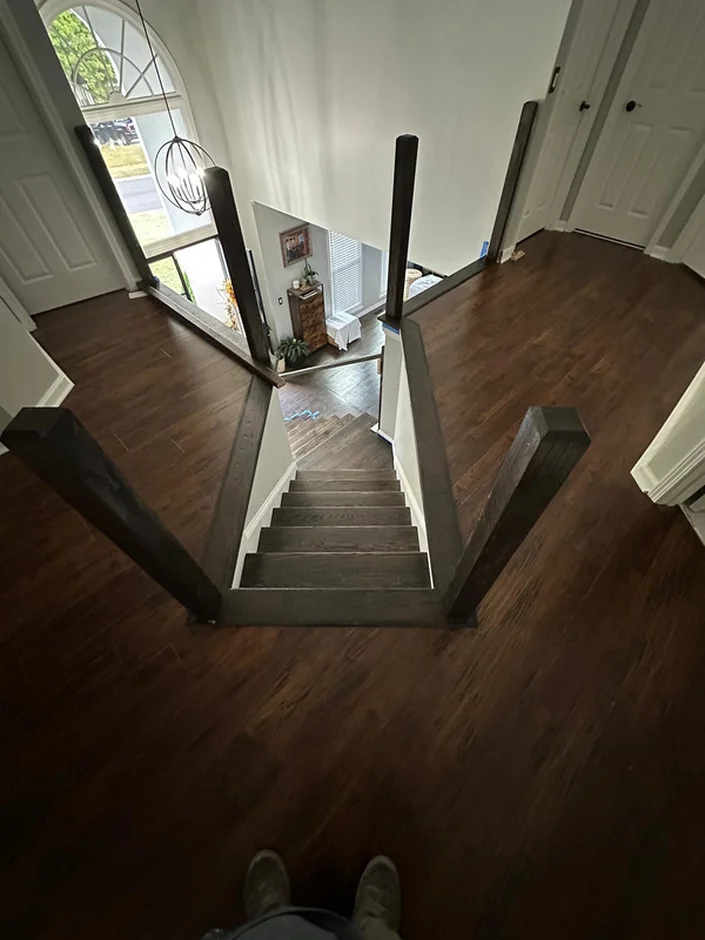
- Interior layout updates to improve flow and storage
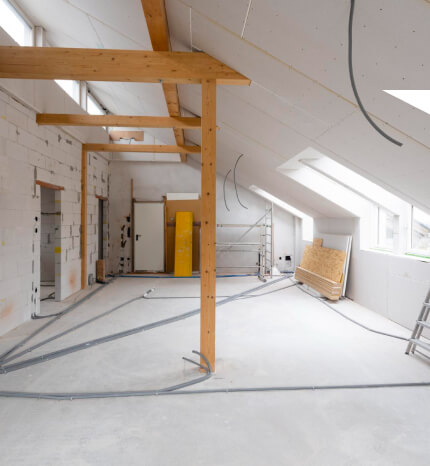
- Basement finishing or reconfiguration
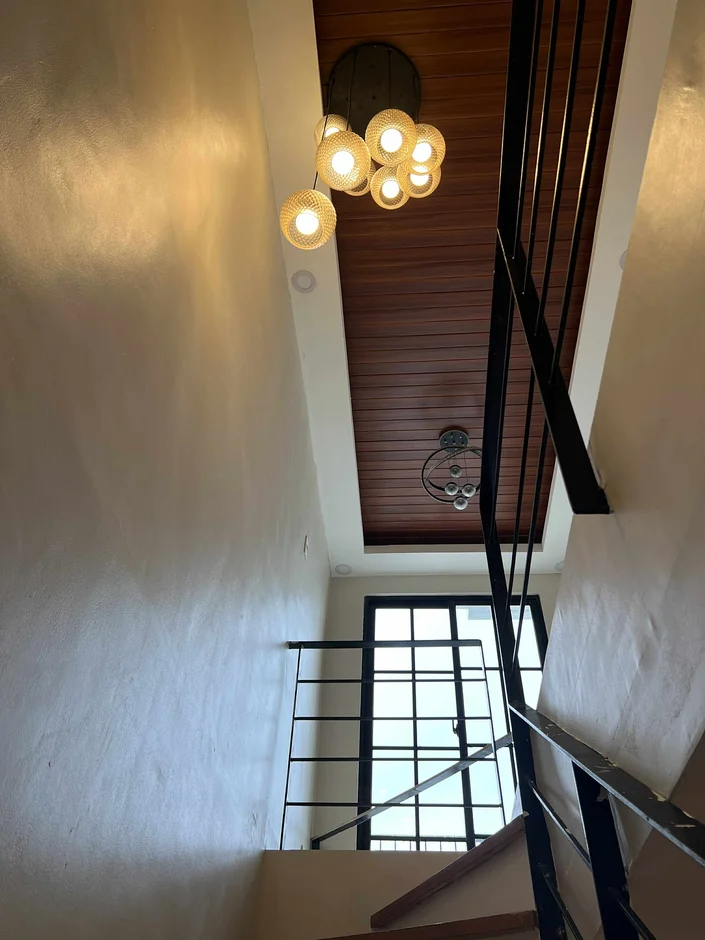
- Energy-efficient lighting and ventilation improvements
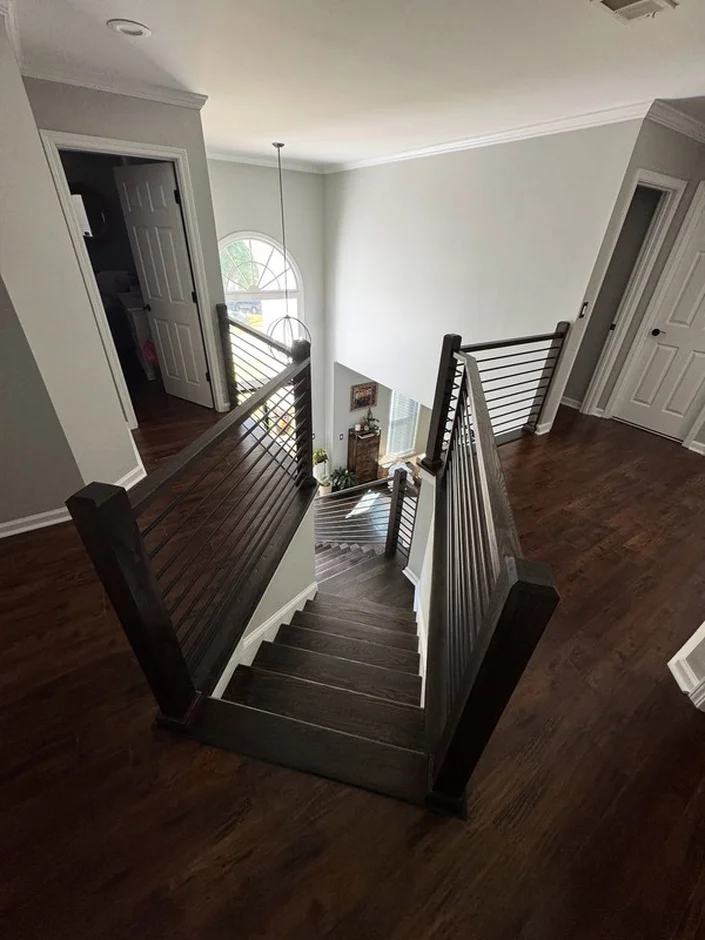
- Flooring replacement or refinishing
- Painting and surface updates
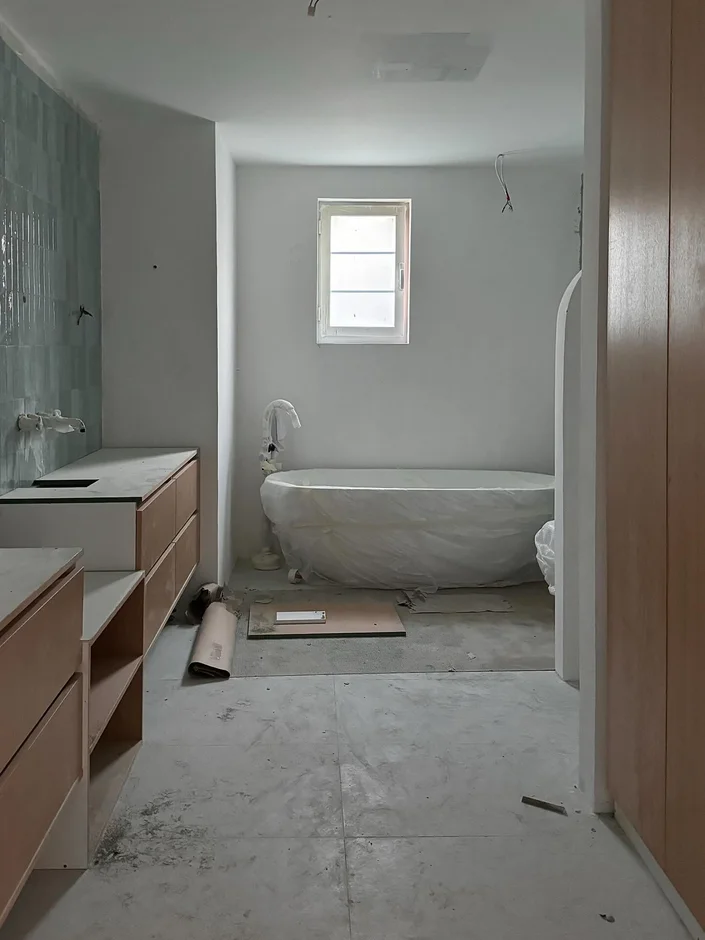
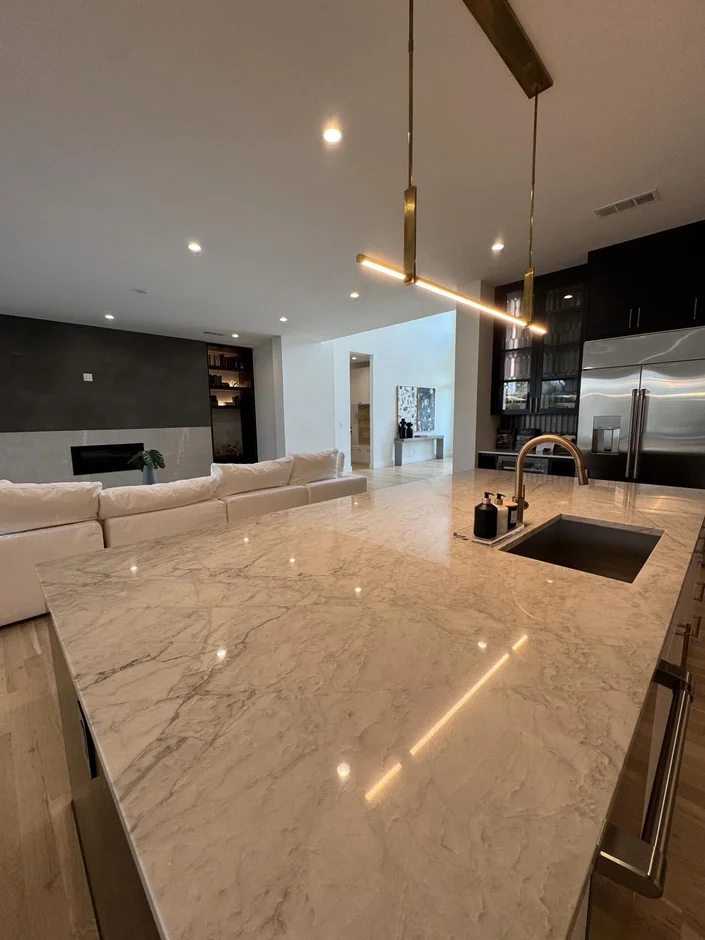
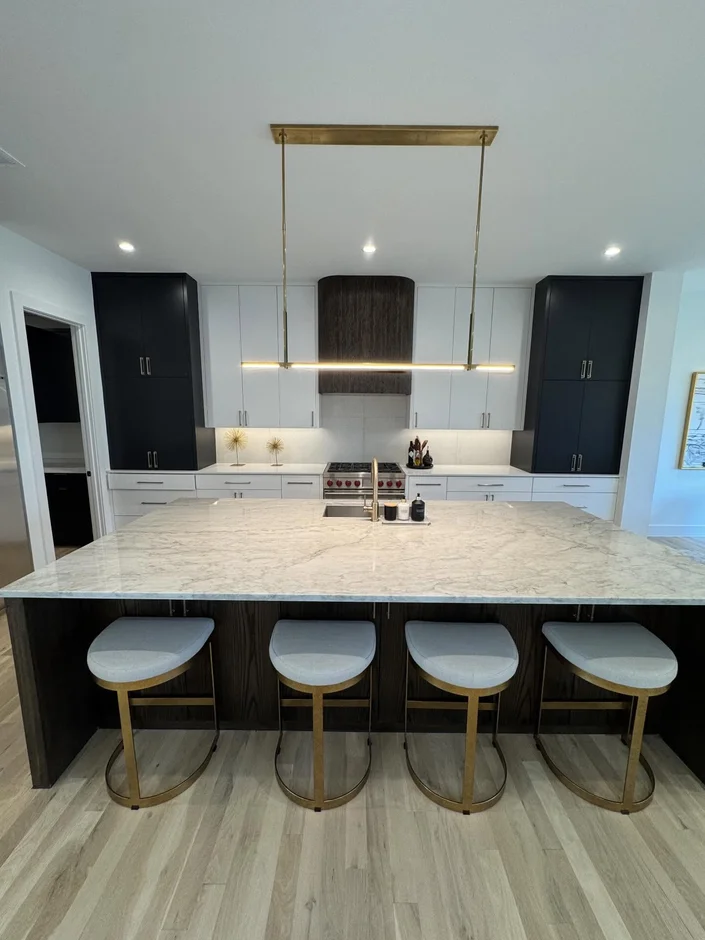
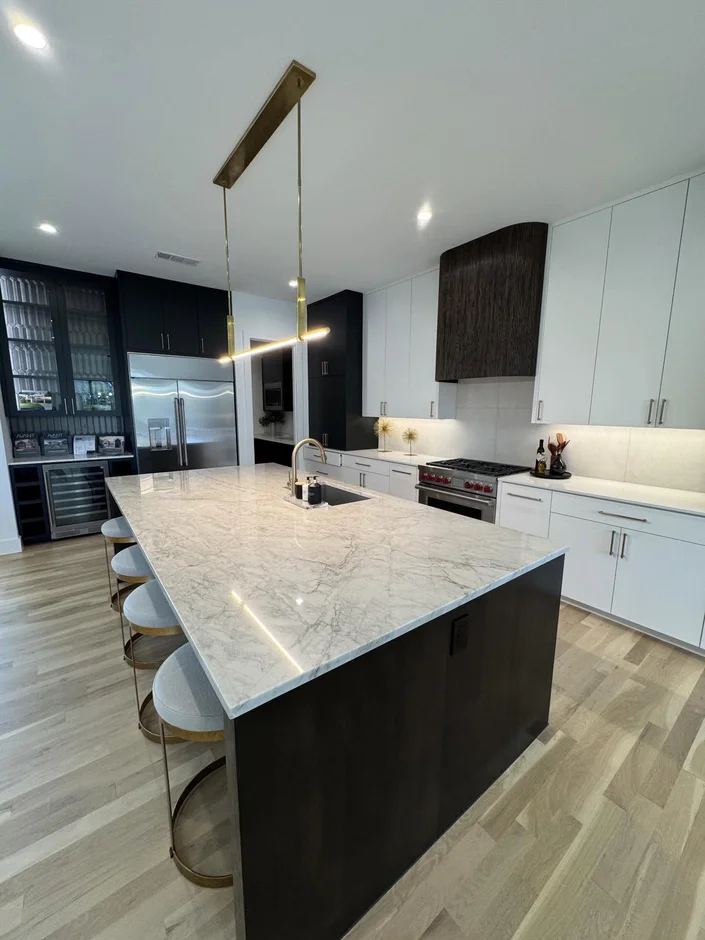
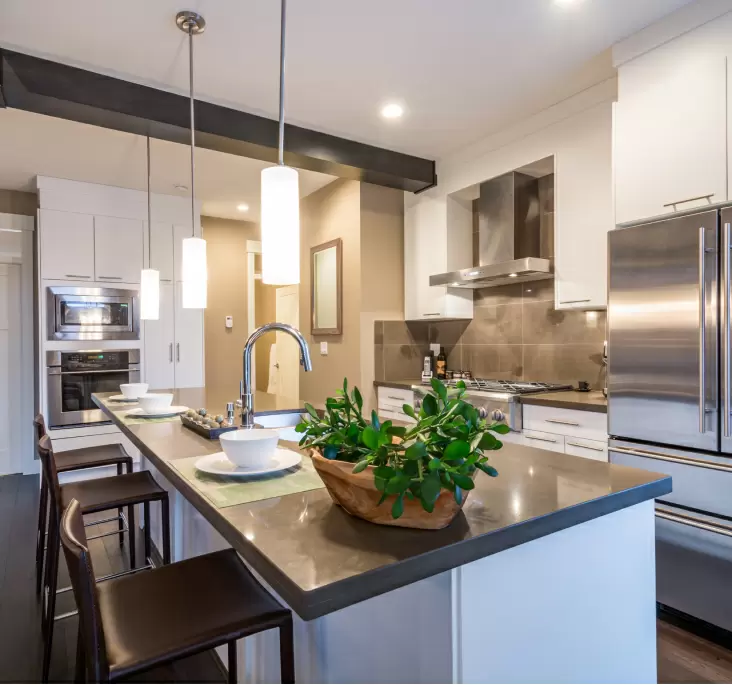
Projects often include bathroom renovations Toronto homeowners rely on for daily comfort, as well as kitchen renovations Toronto families choose to better support cooking, gathering, and storage needs.
Online repair cost calculation in Toronto
Factors That Affect Renovation Costs
The scope of work has a significant influence on renovation costs. Cosmetic updates such as new finishes or fixtures typically involve fewer steps than projects that alter layouts, update plumbing or electrical systems, or address structural concerns. Older homes may also reveal conditions that need attention once work begins.
In Toronto, condominium approvals, limited access points, and waste management requirements can affect how a project is scheduled and executed. Coordinating elevator use, protecting shared areas, and working within permitted hours all require additional planning. Material availability and lead times may also influence sequencing, particularly for custom or energy-efficient products.
Canadian climate considerations play a role as well. Winter conditions can affect exterior-related work or deliveries, while multi-stage planning may be needed to coordinate inspections and trades. Thoughtful preparation helps manage these variables without unnecessary delays.
Renovation Considerations for Toronto Homes
Many Toronto neighbourhoods feature older homes that were built for different lifestyles than today’s. Renovations often focus on updating insulation, improving ventilation, and modernizing layouts while respecting the character of the home. These updates can make a noticeable difference in comfort and usability.
Condominiums and smaller urban homes present their own challenges. Storage optimization, sound management, and durable materials are key considerations where space is limited and neighbours are close. Balancing visual appeal with long-term performance helps ensure that renovations continue to serve homeowners well over time.
How We Approach Renovations In Toronto
- Initial conversation to understand goals, lifestyle needs, and existing constraints
- Detailed design and planning with coordinated trades and realistic timelines
- Material selection suited to Canadian climate conditions and urban housing types
- Construction carried out with attention to noise control, cleanliness, and shared spaces
- Final walkthrough and refinements to confirm quality and functionality
Frequently Asked Questions
Do condo renovations require special approvals?
Most condominium buildings require some form of approval before renovation work begins. This process helps ensure that changes do not affect shared systems or neighbouring units. Reviewing requirements early can prevent delays.
Are there restrictions on renovation work hours?
Many urban areas and multi-unit buildings have defined work hours to manage noise. These guidelines are designed to balance construction needs with resident comfort. Your renovation schedule should account for these limits.
Can I live in my home during a renovation?
This depends on the scope of work and which areas are affected. Some interior projects allow partial occupancy, while others may require temporary relocation for safety and comfort. Planning helps set clear expectations.
How does winter affect renovation projects?
Interior renovations can continue year-round, but winter conditions may influence deliveries or exterior-related tasks. Scheduling and staging materials in advance can help keep work moving efficiently.
What causes material delays during renovations?
Delays can occur due to manufacturing timelines, shipping issues, or high demand for certain products. Selecting materials early and allowing flexibility in the schedule can reduce disruptions.
Are energy-efficient upgrades worth including in a renovation?
Many homeowners choose to incorporate efficiency improvements alongside other updates. Better insulation, ventilation, and lighting can enhance comfort and reduce long-term energy use. These upgrades are often easier to integrate during renovation work.
How long do typical interior renovations take?
Timelines vary based on project complexity, approvals, and coordination of trades. Smaller updates generally move faster than projects involving layout changes or multiple systems. Clear planning helps manage expectations.
Final Call To Action
If you are considering a home renovation in Toronto, speaking with an experienced renovation team can help clarify options and next steps. Thoughtful planning supports comfort, function, and long-term value, especially in large Canadian cities with unique logistical considerations. To discuss your ideas or ask questions, contact a renovation professional at +1 (647) 84-63-860 using the method that works best for you.


 Online
















 10+ days